Understanding Kidney Disease Nails: Signs and Treatment

Kidney disease can manifest in various ways, including changes in the appearance of nails.

Kidney Health covers chronic kidney disease, the silent progression most patients do not notice until late, and the diabetes and hypertension that drive it. Our doctors and editorial team explain what early-stage CKD means, what slows progression, when dialysis or transplant becomes the conversation, and how to live well at each stage.
Last reviewed: 11 August 2026
Kidney disease can manifest in various ways, including changes in the appearance of nails.
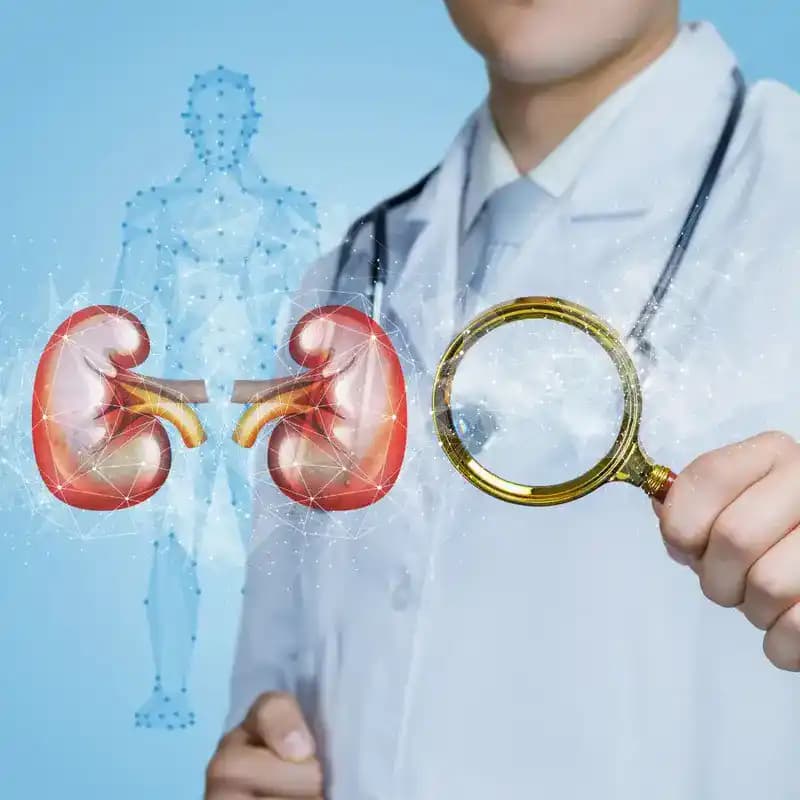
Kidney disease, also known as renal disease, refers to conditions that impair kidney function, leading to various complications.

Kidney disease itching, also known as uremic pruritus, is a common symptom experienced by individuals with chronic kidney disease (CKD).

Chronic Kidney Disease (CKD) is a condition characterized by the gradual loss of kidney function.
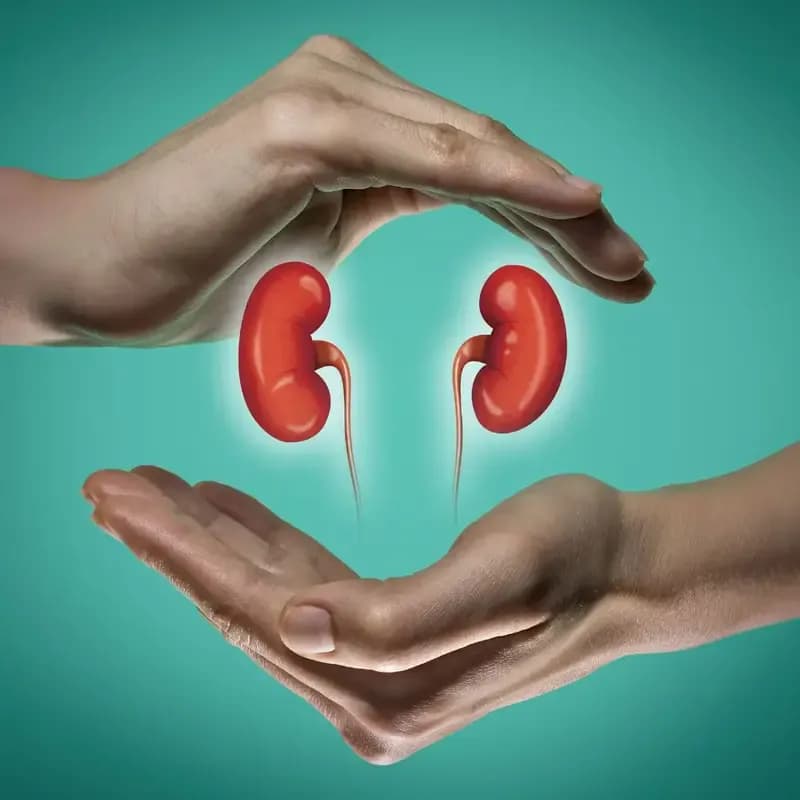
Kidney stones, also known as renal calculi, are hard mineral deposits that form in the kidneys and can cause severe pain and discomfort.

Kidney stones, also known as renal calculi, are hard mineral deposits that form in the kidneys and can cause severe pain and discomfort when they pass through the urinary tract.

Managing kidney disease requires careful dietary planning. Explore this 7-day kidney disease meal plan packed with nutritious, kidney-friendly recipes.
Have a lot of queries about kidney transplants? Dr. Tarun Jeloka, Consultant - Nephrology And Transplant, Manipal Hospital Baner, Pune, sheds light on the procedure in this informative video to help you understand kidney transplants. Watch the video to learn more. For a consultation, call - 020 6813 8888 or visit - https://bit.ly/MHBNephro

Dr. Tarun Jeloka, Consultant Nephrology and Transplant, Manipal Hospitals, Pune, Baner, explains kidney stones, their causes, and preventive measures in this informative video. Watch the video to know more. Know More Visit Our Hospital Website: https://www.manipalhospitals.com/pati... Visit Our Nephrology Doctors: https://www.manipalhospitals.com/bane... Visit Our Nephrology Department: https://www.manipalhospitals.com/bane... Contact us @ https://www.manipalhospitals.com/pati...
Discovering albumin in urine, a condition known as albuminuria, can be a startling revelation for many.

Managing diabetes requires careful attention to diet, as what you eat significantly impacts blood sugar levels, kidney health, and overall well-being.
Green or blue-green urine can follow dyes, certain medicines or infection. Learn the warning symptoms and why not to stop medicine on your own.
Expert answers from our medical team
Early kidney disease is silent — no symptoms until 60-70% of function is lost. That's why blood tests (creatinine, eGFR) and urine tests (for protein) matter. Later signs: swelling in feet or around eyes, foamy urine, changes in urination frequency, fatigue, itchy skin, poor appetite, or high BP that's hard to control. If you have diabetes or hypertension, annual kidney checks are essential.
Long-term high blood sugar damages the tiny filters in the kidneys. Over years, this leads to protein leaking into urine, then falling kidney function, and in some cases eventual dialysis or transplant. The good news: tight blood sugar control, BP control, and specific medications (ACE inhibitors, ARBs, SGLT2 inhibitors) dramatically slow this. Annual urine microalbumin test catches early damage when it's still reversible.
Yes — persistent protein in urine (proteinuria or albuminuria) is one of the earliest signs of kidney damage, especially in diabetes and hypertension. A single positive result should be repeated to confirm. If confirmed, treatment usually includes a specific class of BP medications that also protect kidneys, even if BP isn't very high. Don't ignore it.
For healthy kidneys, no specific food is harmful in normal amounts. For someone with reduced kidney function, doctors often advise limiting salt, potassium (in some cases), phosphorus, and protein — but the specifics depend on your kidney stage. Over-the-counter painkillers (especially NSAIDs like ibuprofen and diclofenac) can harm kidneys, particularly with regular use — safer to check with your doctor before frequent use.
Early damage — the leaking of small amounts of protein — can often be reversed or halted with good BP and sugar control. Once significant scarring has happened (chronic kidney disease stage 3-5), the goal shifts to slowing progression rather than reversing damage. This is why early screening in diabetes and hypertension matters so much.
Questions from our community members
Ask our medical community. Your question may help others with similar concerns.
Verified specialists across India