HPV Vaccine: A Complete Guide to Protection, Side Effects & Cost in India
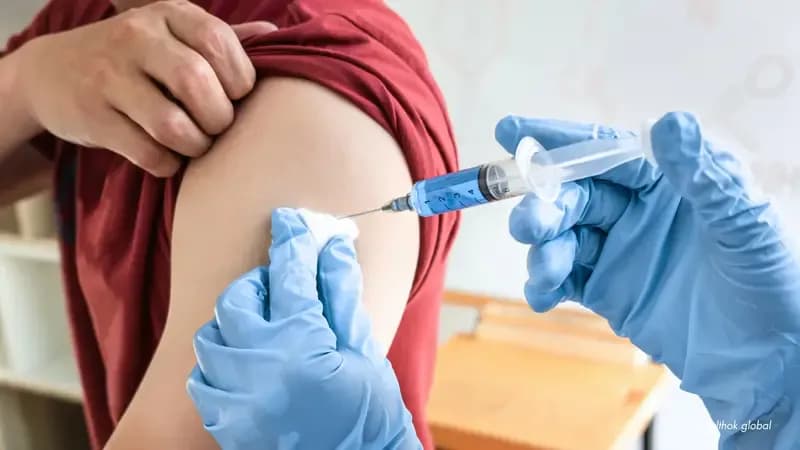
Understand everything about the HPV vaccine — from its benefits and dosing schedule to side effects, pricing in India, and availability in government hospitals.

Vaccinations & Immunization covers India's national immunization schedule, optional vaccines, catch-up schedules, common parent concerns, and what each vaccine actually prevents. Our pediatricians and editorial team explain the evidence behind each recommendation and how to navigate the IAP schedule for the best protection at the right time.
Last reviewed: 10 August 2026
Understand everything about the HPV vaccine — from its benefits and dosing schedule to side effects, pricing in India, and availability in government hospitals.
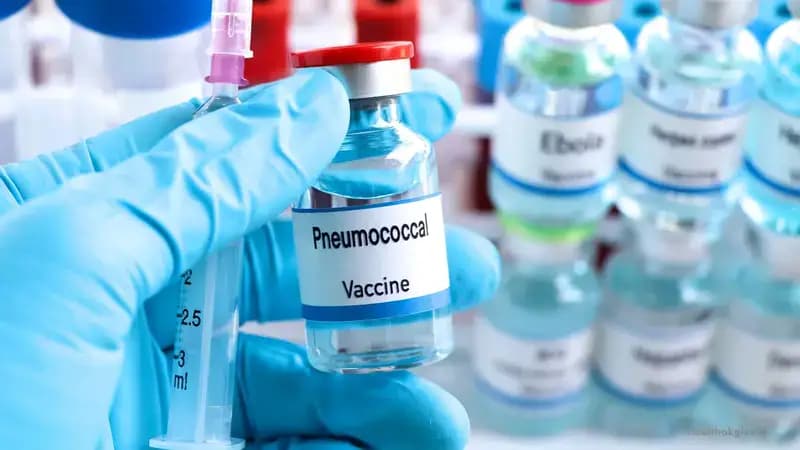
The Pneumococcal Conjugate Vaccine (PCV) is a critical immunization used to protect against infections caused by Streptococcus pneumoniae bacteria.

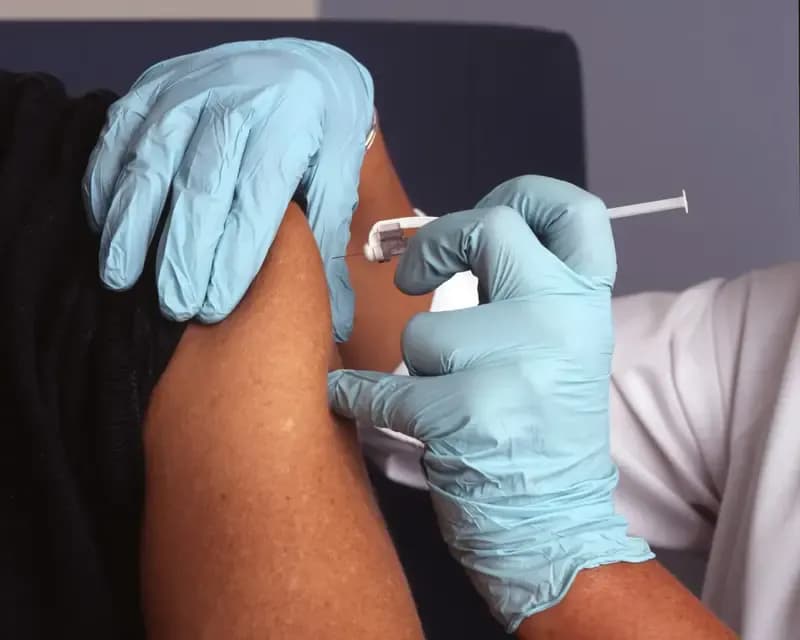
Cervical cancer is a significant health concern for women globally, including in India. Fortunately, the availability of the cervical cancer vaccine has provided a crucial tool in the fight against this disease.
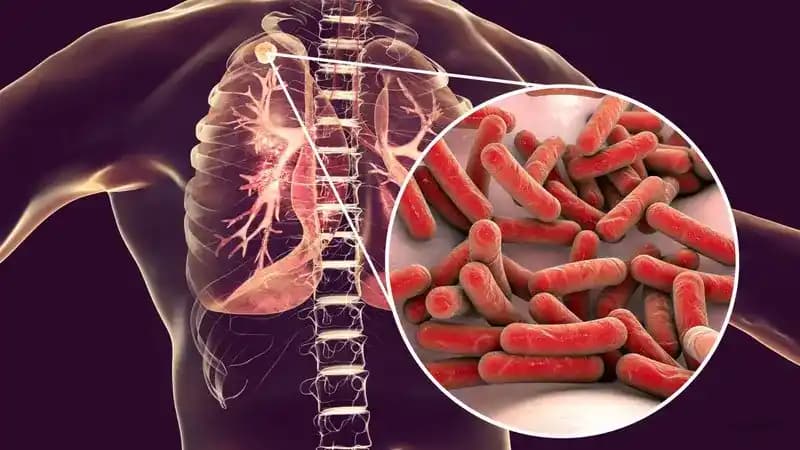
TB progresses through three distinct stages, primary infection, latent TB (dormant, non-contagious), and active disease. Understanding how the bacteria evade the immune system and where treatment fits in each stage matters for anyone in India where TB remains highly prevalent.
Expert answers from our medical team
India's Universal Immunisation Programme covers BCG, hepatitis B, OPV, pentavalent (DPT + Hib + hepatitis B), rotavirus, PCV, MR, JE (in endemic areas), and DPT boosters. The Indian Academy of Paediatrics recommends adding hepatitis A, varicella (chicken pox), typhoid, influenza (annual), MMR instead of MR, and HPV for adolescents. Ask your paediatrician for the full recommended schedule — some vaccines vary by state or region.
Most side effects are mild and short-lived: soreness at the injection site, mild fever, fussiness for a day. Serious reactions are rare — much rarer than the diseases the vaccines prevent. Any high fever, seizures, or unusual reaction should be reported to your doctor, but these are the exception. The overwhelming benefit-to-risk balance is why vaccines have prevented millions of deaths.
A mild cold or low-grade fever isn't a reason to skip most vaccines. Significant illness (moderate to severe) is worth postponing for. Deliberately delaying the schedule for other reasons leaves children exposed longer than necessary — the schedule is designed around when a child is most vulnerable and when the immune response works best. Talk to your paediatrician rather than deciding on your own.
Catch-up is almost always possible. There's no need to restart most schedules — the doctor just picks up from where you are. Missed doses are common and paediatricians have standard catch-up protocols. Bring the immunisation card to every visit; if lost, doctors can usually work out what's needed based on age.
Yes. HPV causes cancers in men (genital, throat, anal) and men also transmit HPV to partners. Vaccinating boys along with girls provides broader community protection and prevents cancers in the boys themselves. Ideal age is 9-14. This is a shift from earlier practice where HPV was framed as a 'girls only' vaccine.
Questions from our community members
Ask our medical community. Your question may help others with similar concerns.
Verified specialists across India