
Overview
There is something fascinating about a traditional Indian meal.
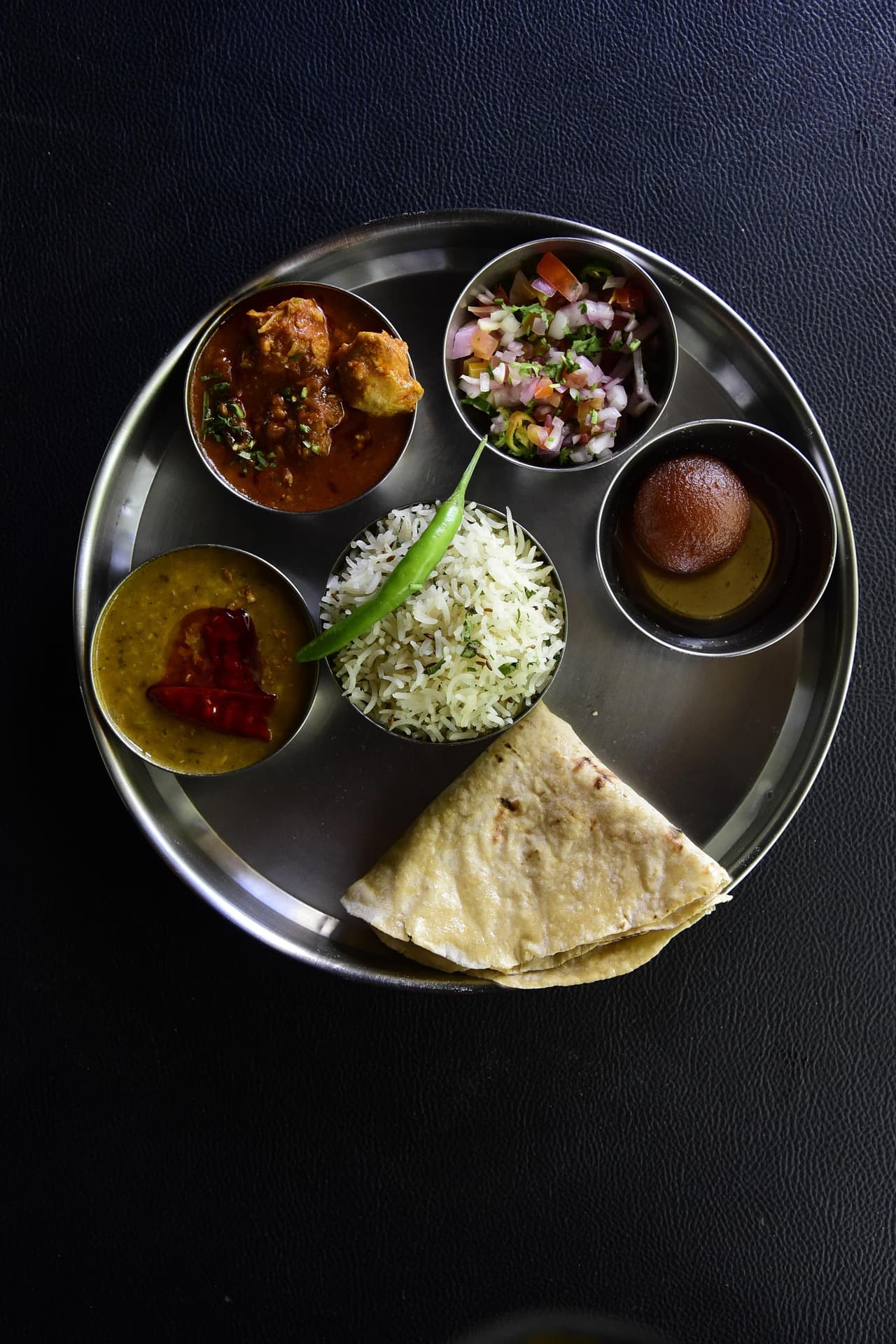
A bowl of dal. A couple of rotis. Sabzi. Curd. Perhaps some rice, salad, pickle or chutney.
None of these foods needs to be called a “superfood.”
Yet, when thoughtfully combined, familiar Indian foods can provide carbohydrates, protein, fibre, vitamins, minerals and fats in one meal.
The overlooked part is not necessarily what you eat—it is how the whole meal comes together.
Modern nutrition advice often turns food into a list of heroes and villains: eat this, avoid that, replace rice, stop roti, drink this in the morning.
Real life is more complicated.
The ICMR–National Institute of Nutrition's 2024 Dietary Guidelines for Indians emphasise dietary diversity and include cereals and millets, pulses, vegetables, fruits, nuts and seeds, dairy and other protein sources as parts of a balanced eating pattern.
So instead of asking, “Which Indian food is healthiest?”
A more useful question is:
“What does my entire plate look like?”
The “Magic” Is in the Combination, Not a Miracle Ingredient
Imagine two meals containing roti.
Meal A:
3 rotis + a small serving of potato sabzi.
Meal B:
2 rotis + dal + mixed vegetable sabzi + curd + salad.
The roti has not suddenly become a different food.
What changed was the composition of the meal.
The second plate provides a broader mix of food groups and nutrients. Pulses contribute protein and fibre; vegetables contribute fibre and micronutrients; curd contributes protein and calcium; and the cereal component contributes carbohydrate and energy.
This is one reason a healthy diet should be viewed as a pattern rather than a hunt for a single “perfect” food.
WHO similarly recommends a varied diet built around foods such as vegetables, fruits, legumes, nuts and whole grains while limiting excessive free sugars, salt and unhealthy fats.
The Indian Meal Trick We Often Forget: Add Before You Subtract
Diet culture often begins with:
Stop eating rice.
Stop eating roti.
Stop eating potatoes.
Stop eating sweets.
But sometimes a more practical strategy is to ask:
“What nutritious food can I add to this meal?”
Having rice?
Add dal and vegetables.
Having roti?
Add a protein-rich dal, beans, paneer, curd, egg or another suitable protein source.
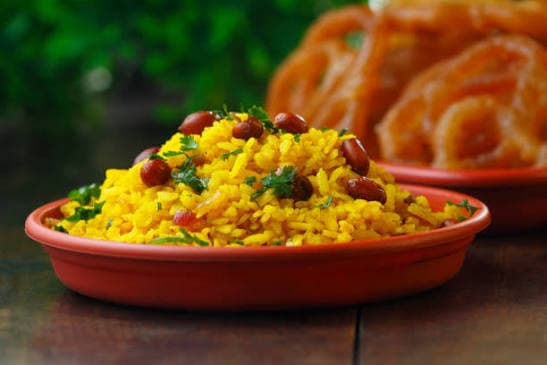
Having poha?
Add vegetables, peanuts or another protein-containing accompaniment.
Having dosa?
Consider pairing it with sambar rather than treating the dosa alone as the entire meal.
Having a snack?
Fruit or unsalted nuts can sometimes be a more nutrient-dense choice than a highly processed snack.
This approach doesn't require abandoning Indian food.
It makes the existing meal more complete.
Rice Isn't the Villain—But a Bowl of Rice Isn't the Whole Meal
Rice has become one of the most misunderstood foods in diet conversations.
For many Indian households, rice is a staple. There is no medical reason for everyone to eliminate it.
The more important question is what else is on the plate and how much of each food is being eaten.
A meal consisting almost entirely of a refined cereal provides a narrower nutrient profile than a meal that also includes pulses, vegetables and other nutrient-dense foods.
That doesn't mean white rice is “bad” or that brown rice is automatically a magic replacement.
It means the overall dietary pattern matters.
ICMR-NIN's dietary guidance includes cereals and millets as part of the Indian diet while also emphasising vegetables, pulses, fruits, nuts and other food groups.
The Dal-Rice Combination Deserves More Respect
There is another reason traditional Indian combinations are interesting.
Rice and dal bring different nutritional characteristics to the same meal. Pulses are important sources of plant protein and fibre, while cereals provide carbohydrate and energy.
Together, they create a more varied meal than either food considered in isolation.
This is not a magical biochemical trick that makes calories disappear.
It is simply an example of dietary complementarity and variety.
And that distinction matters.
Good nutrition does not need supernatural claims to be impressive.
The “Invisible” Ingredient: Fibre
Fibre rarely gets the same attention as protein.
But it is one of the reasons vegetables, pulses, fruits and whole grains are valuable parts of a healthy dietary pattern.
Fibre-rich foods can contribute to satiety and support normal digestive function. Diets rich in vegetables, fruits, legumes and whole grains are consistently recommended by major health authorities.
In an Indian kitchen, fibre doesn't have to come from an expensive imported product.
It can come from:
- dal
- chana
- rajma
- vegetables
- fruits
- whole grains
- millets
- nuts
- seeds
The “secret” may already be sitting in your kitchen.
The Chutney, Pickle and Papad Problem
Here is where a traditional meal can quietly change.
The main foods may be nutritious, but accompaniments can add substantial amounts of salt, sugar or fat depending on how they are prepared and how much is consumed.
Pickle is a good example.
You don't necessarily need to declare pickle forbidden.
But “small accompaniment” and “half the plate” are very different quantities.
Similarly, papad, fried snacks, packaged namkeen and heavily salted accompaniments can increase the overall sodium and energy density of a meal.
WHO recommends keeping adult salt intake below 5 grams per day because higher sodium intake is associated with increased blood pressure and cardiovascular risk.
So sometimes the healthiest change isn't removing dal or rice.
It is noticing the foods quietly added around them.
Ghee Has a Place—but “Healthy” Doesn't Mean Unlimited
Ghee has deep cultural importance in Indian cooking, and it can certainly be part of a varied diet.
But there is an important distinction between:
“This food can fit into a healthy diet.”
and
“More of this food makes the diet healthier.”
Those are not the same statement.
Ghee is a concentrated source of fat and calories. The amount that fits into an individual's diet depends on their overall dietary pattern, energy needs and health circumstances.
WHO recommends limiting saturated fat and replacing it, where appropriate, with unsaturated fats.
So you don't need to turn ghee into either a villain or a miracle food.
Think portion and context.
The Sweetest Trap May Not Be the Dessert
Indian diets can contain obvious sweets—mithai, halwa, laddoo and desserts.
But free sugars can also arrive through beverages and foods that don't feel like dessert.
Sweetened tea or coffee.
Soft drinks.
Packaged beverages.
Sweetened dairy drinks.
Fruit juice.
WHO recommends limiting free sugars to less than 10% of total energy intake, with further reduction potentially providing additional health benefits. Importantly, WHO counts sugars naturally present in honey, syrups and fruit juices as free sugars.
So replacing a dessert with a large glass of sweetened juice isn't necessarily the nutritional upgrade people assume it is.
Whole fruit and fruit juice are not nutritionally identical.
A Better Indian Plate Doesn't Need Imported Ingredients
You don't need chia seeds from another continent, expensive “detox” powders or exotic berries to build a nutritious Indian diet.
A practical plate might include combinations such as:
Roti + dal + seasonal sabzi + curd
or
Rice + rajma/dal + vegetables + salad
or
Millet/whole-grain preparation + vegetables + a protein source
or
Poha + vegetables + peanuts + curd or another protein source
The exact combination can change according to culture, region, food availability, dietary preference and individual nutritional needs.
That flexibility is a feature—not a weakness.
WHO notes that the exact composition of a healthy diet varies according to individual needs, locally available foods and cultural dietary practices.
The 5-Question Indian Meal Test
Before eating, you don't need to calculate every calorie.
Ask five simple questions:
1. Where is my protein?
Dal, beans, chana, rajma, curd, paneer, eggs, fish, chicken or another suitable source?
2. Where are my vegetables?
Is there a meaningful vegetable component rather than just a garnish?
3. Where is my fibre?
Could I include pulses, vegetables, fruit, whole grains, nuts or seeds?
4. Am I getting most of my drink calories from somewhere?
Sweetened beverages can quietly increase free-sugar intake.
5. Is the meal balanced—or is one food doing almost all the work?
These questions are often more useful than memorising a list of “good” and “bad” foods.
What About “Superfoods”?
India already has an enormous collection of foods that nutrition marketing now tries to rename as superfoods.
But you don't need to crown one winner.
A varied diet is more important than obsessing over a single ingredient.
A handful of almonds cannot compensate for an otherwise poor dietary pattern.
Turmeric cannot magically cancel a high-sugar diet.
Millets are nutritious, but they do not automatically make every meal healthy.
Ghee isn't a medicine.
And rice isn't poison.
The magic is the pattern.
One Small Change That Can Transform the Way You Eat
At your next meal, don't ask:
“What should I remove?”
Ask:
“What is missing?”
If the plate is mostly rice, perhaps the missing piece is dal and vegetables.
If it is mostly roti, perhaps it needs a protein-rich accompaniment and vegetables.
If breakfast is mainly carbohydrate, consider adding a protein-containing food.
If snacks are mostly packaged foods, consider introducing fruit, vegetables or unsalted nuts more often.
This isn't about creating a perfect plate at every meal.
It's about making the average meal better.
And that is far more realistic than chasing the next miracle diet.
The Bottom Line
The healthiest Indian diet is not necessarily the one with the most expensive ingredients or the longest list of restrictions.
It can be built from familiar foods.
Dal. Sabzi. Roti. Rice. Curd. Beans. Fruits. Nuts. Seeds. Millets. Eggs or other protein sources.
The goal is not perfection.
The goal is variety, balance, appropriate portions and consistency.
Your grandmother's kitchen may not have used the word “macronutrients.”
But when traditional foods are combined thoughtfully, the plate can do something modern diet culture often forgets:
feed the whole person instead of chasing a single miracle ingredient.
Medical note: This article is for general nutrition education and does not replace individual advice from a doctor or registered dietitian. People with diabetes, kidney disease, food allergies, eating disorders, pregnancy-related nutritional needs, or other medical conditions may require personalised dietary advice.



Comments (0)