

Overview
Diabetes does not always begin with dramatic symptoms. In some people, the earliest clues are small changes that seem unrelated to blood sugar—such as wounds taking longer to settle, recurring infections, changes in vision, or unusual fatigue after meals.
The important point is that one symptom alone does not mean you have diabetes. But when several subtle changes appear together, especially if they persist or keep returning, they are worth discussing with a healthcare professional.
1. Cuts or Scratches That Seem to “Take Forever” to Heal
A minor cut that normally settles quickly may remain irritated, reopen, or take noticeably longer to heal.
Persistently elevated blood glucose can affect blood vessels, immune function, and the body's ability to repair damaged tissue. This can make healing slower in some people with diabetes.
Pay particular attention to wounds on the feet. A small blister, crack, or cut that does not improve should not simply be ignored.
2. Repeated Skin or Fungal Infections
Recurring infections can sometimes be an overlooked clue.
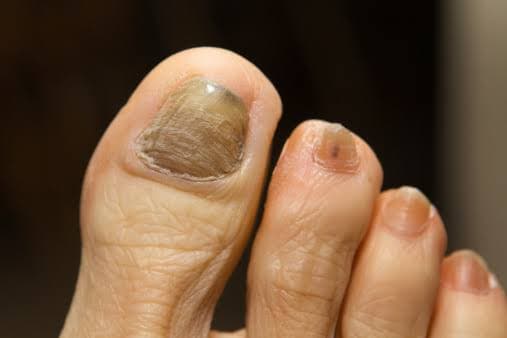
High blood glucose can create conditions that make certain infections more likely, including some fungal and skin infections. Repeated episodes—particularly when they occur without an obvious explanation—deserve medical attention.
This does not mean every recurring infection is caused by diabetes. Other conditions, medications, hygiene factors, and immune problems can also play a role.
3. Your Vision Changes—Then Seems Normal Again
Blurry vision is often associated with diabetes, but an easily overlooked detail is that vision may fluctuate rather than remain constantly blurry.
Changes in blood glucose can temporarily affect the eye's lens and alter vision. Someone may therefore notice that their eyesight seems different at certain times of the day or during periods when their blood sugar is changing.
Sudden or significant vision changes should be assessed promptly rather than assumed to be a blood-sugar issue.
4. You Feel Unusually Drained After Eating
Feeling tired occasionally after a large meal is common. But a persistent or disproportionate energy crash after meals is worth noticing—especially when it occurs alongside other changes.
Glucose regulation involves insulin and several other metabolic processes. Fatigue has many possible causes, so it cannot diagnose diabetes by itself.
The useful clue is the pattern: Is the fatigue becoming more frequent? Does it happen repeatedly? Are there other unexplained symptoms occurring at the same time?
5. Your Skin Becomes Darker or Thicker in Certain Areas
One less-discussed physical change is a dark, thicker, velvety-looking area of skin, commonly around the neck, armpits, or groin.
This can be a condition called acanthosis nigricans, which is often associated with insulin resistance.
It is not proof of diabetes. However, when this skin change appears—particularly alongside weight changes or other metabolic concerns—it may be a reason to discuss glucose and metabolic health with a clinician.
6. Tingling or “Pins and Needles” Without an Obvious Reason
Occasional tingling can happen after sitting awkwardly or putting pressure on a nerve.
Persistent or recurring tingling, burning, numbness, or reduced sensation in the feet or hands is different.
Diabetes can damage nerves over time, a complication known as diabetic neuropathy. Although nerve symptoms are more commonly associated with established diabetes than its earliest stage, unexplained persistent symptoms should still be evaluated rather than dismissed.
7. Your Mouth Keeps Giving You Small Warning Signs
Changes in oral health can sometimes be overlooked.
People with diabetes may be more prone to gum problems, dry mouth, and certain oral infections. Signs such as persistently swollen or bleeding gums, recurrent oral infections, or unexplained dry mouth can have multiple causes—but they are worth mentioning to both a dentist and doctor when they keep returning.
Your mouth can sometimes provide clues about your overall health that are easy to miss.
8. You Are Losing Weight Without Trying
Unintentional weight loss is one of the symptoms that deserves attention, particularly when it occurs without a deliberate change in diet or exercise.
When the body cannot use glucose effectively because of insufficient insulin or impaired insulin action, it may begin using other energy sources. In some forms of diabetes, this can contribute to unexplained weight loss.
Unexpected weight loss has many possible causes, so it should not automatically be attributed to diabetes.
9. Small Changes in Your Feet Are Becoming Easier to Ignore
Foot symptoms can be particularly important because reduced sensation can allow small injuries to go unnoticed.
Pay attention to:
- unexplained numbness or tingling
- burning sensations
- unusual sensitivity
- blisters or cuts you did not feel
- skin changes or wounds that are slow to heal
Checking your feet regularly is especially important for people who already have diabetes or have been told they are at increased risk.
10. The Pattern Matters More Than One Symptom
The most useful takeaway is not to diagnose yourself from a symptom checklist.
Instead, look for persistent or repeated changes that occur together.
For example, someone may notice unusual fatigue, recurring infections, changes in vision, and a wound that heals unusually slowly. None of these symptoms alone proves diabetes. Together, however, they provide a stronger reason to speak with a healthcare professional and consider appropriate testing.
When Should You Get Tested?
If you have persistent or unexplained symptoms—or risk factors for diabetes—talk with a healthcare professional about whether screening is appropriate.
Diabetes and prediabetes can sometimes exist with few or no noticeable symptoms. Blood tests such as HbA1c and fasting blood glucose are commonly used to assess blood glucose levels.
Do not wait for severe symptoms before seeking medical advice.
One Important Distinction: Symptoms vs. Diagnosis
Symptoms can raise a question; testing provides evidence.
Feeling tired, having blurred vision, developing a skin change, or getting frequent infections does not automatically mean you have diabetes. Many other conditions can cause the same symptoms.
If you are concerned, a clinician can consider your symptoms, medical history, medications, risk factors, and appropriate laboratory testing together.
Seek Urgent Medical Care If...
The Signs People Often Notice Too Late
The earliest warning may not be one dramatic symptom.
It may be a pattern of small changes that keeps repeating:
- a wound that does not heal as expected
- infections that keep coming back
- fluctuating vision
- persistent tingling
- unexplained weight loss
- unusual fatigue
- changes around the neck or other skin folds
- recurring oral or foot problems
These signs are not a diagnosis—but they are signals worth paying attention to.
If something about your health has changed and you cannot explain why, getting it checked is usually more useful than waiting for the symptoms to become severe.









Comments (0)