
Introduction
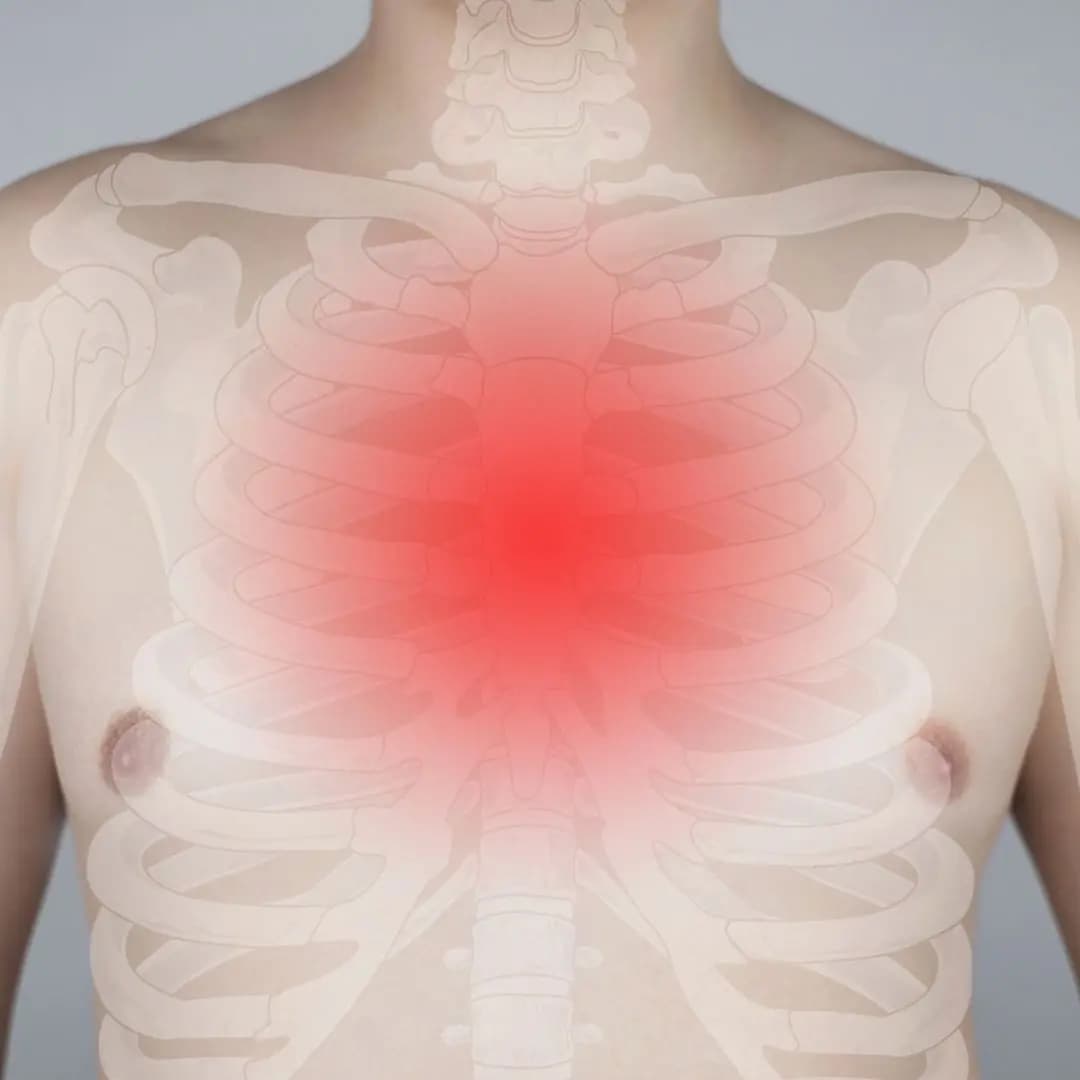
Osteomalacia and osteoporosis are both bone disorders that affect bone density and strength, but they have distinct differences in their causes, symptoms, and treatment approaches. Let's explore the key differences between osteomalacia and osteoporosis and how they are managed.
Osteomalacia: Causes and Characteristics
Osteomalacia is a condition characterized by softening of the bones due to a deficiency in vitamin D, calcium, or phosphate. Common causes include inadequate sunlight exposure, poor dietary intake of vitamin D and calcium, malabsorption disorders, and certain medications that interfere with vitamin D metabolism.
Causes of Osteomalacia:
In osteomalacia, the bones become weak and prone to fractures due to insufficient mineralization. This can lead to bone pain, muscle weakness, and deformities such as bowed legs or a curved spine. X-rays may reveal decreased bone density and abnormalities in bone structure.
Characteristics of Osteomalacia:
Osteoporosis: Causes and Characteristics
Osteoporosis is a progressive bone disease characterized by decreased bone density and increased risk of fractures. It occurs when the rate of bone resorption exceeds the rate of bone formation, leading to porous and brittle bones. Common risk factors include aging, hormonal changes (such as menopause), inadequate calcium and vitamin D intake, sedentary lifestyle, smoking, and certain medications.
Causes of Osteoporosis:
In osteoporosis, the bones become fragile and prone to fractures, particularly in the spine, hips, and wrists. Fractures may occur with minimal trauma or even during routine activities. Individuals with osteoporosis may experience loss of height, stooped posture, and chronic back pain. Bone density testing, such as dual-energy X-ray absorptiometry (DEXA), is used to diagnose osteoporosis and assess fracture risk.
Characteristics of Osteoporosis:
Key Differences Between Osteomalacia and Osteoporosis
Osteomalacia results from inadequate mineralization of the bone matrix due to vitamin D, calcium, or phosphate deficiency. In contrast, osteoporosis is characterized by decreased bone density and structural deterioration due to an imbalance in bone remodeling processes.
Pathophysiology:
Osteomalacia typically presents with bone pain, muscle weakness, and skeletal deformities, whereas osteoporosis often remains asymptomatic until a fracture occurs. Fractures in osteoporosis commonly occur in weight-bearing bones, while those in osteomalacia may occur in non-weight-bearing bones.
Presentation:
Diagnosis of osteomalacia may involve blood tests to assess levels of vitamin D, calcium, and phosphate, as well as bone biopsy to evaluate bone mineralization. Osteoporosis is diagnosed based on bone density testing, such as DEXA scans, and assessment of fracture risk factors.
Diagnostic Testing:
Treatment Approaches for Osteomalacia and Osteoporosis
Treatment of osteomalacia involves addressing underlying deficiencies in vitamin D, calcium, or phosphate through supplementation and lifestyle modifications. Sun exposure, dietary changes, and vitamin D supplements are often recommended to improve bone health.
Osteomalacia Treatment:
Treatment of osteoporosis aims to prevent fractures and improve bone density through lifestyle modifications, medications, and fall prevention strategies. Calcium and vitamin D supplementation, weight-bearing exercises, and medications such as bisphosphonates, hormone therapy, or monoclonal antibody therapy may be prescribed.
Osteoporosis Treatment:
Prevention Strategies
Prevention of osteomalacia involves maintaining adequate levels of vitamin D, calcium, and phosphate through sunlight exposure, dietary sources, and supplementation as needed. Regular monitoring of vitamin D levels and bone health is essential, especially in high-risk populations.
Osteomalacia Prevention:
Prevention of osteoporosis includes lifestyle modifications such as regular exercise, balanced nutrition, smoking cessation, and limiting alcohol intake. Screening for osteoporosis and fracture risk assessment is recommended, particularly in postmenopausal women and older adults.
Osteoporosis Prevention:
Conclusion
While osteomalacia and osteoporosis are both bone disorders that affect bone density and strength, they have distinct differences in their underlying causes, presentation, and treatment approaches. By understanding these differences and implementing appropriate management strategies, individuals can optimize bone health and reduce the risk of fractures and complications associated with these conditions. If you have concerns about your bone health or risk of osteomalacia or osteoporosis, consult with a healthcare professional for personalized evaluation and recommendations.




Comments (0)