

What is Osteoporosis?
Osteoporosis is a condition characterized by weakened bones, making them fragile and more prone to fractures. It occurs when the body loses too much bone, makes too little bone, or both. The bones become porous and brittle, leading to an increased risk of fractures, particularly in the hip, spine, and wrist. Osteoporosis is often called a silent disease because it progresses without symptoms until a fracture occurs.
Causes and Risk Factors of Osteoporosis
The primary causes of osteoporosis include hormonal changes, particularly in postmenopausal women when estrogen levels decline, leading to accelerated bone loss. Other risk factors include inadequate calcium and vitamin D intake, sedentary lifestyle, smoking, excessive alcohol consumption, certain medications, and medical conditions such as rheumatoid arthritis and hyperthyroidism.
Symptoms of Osteoporosis
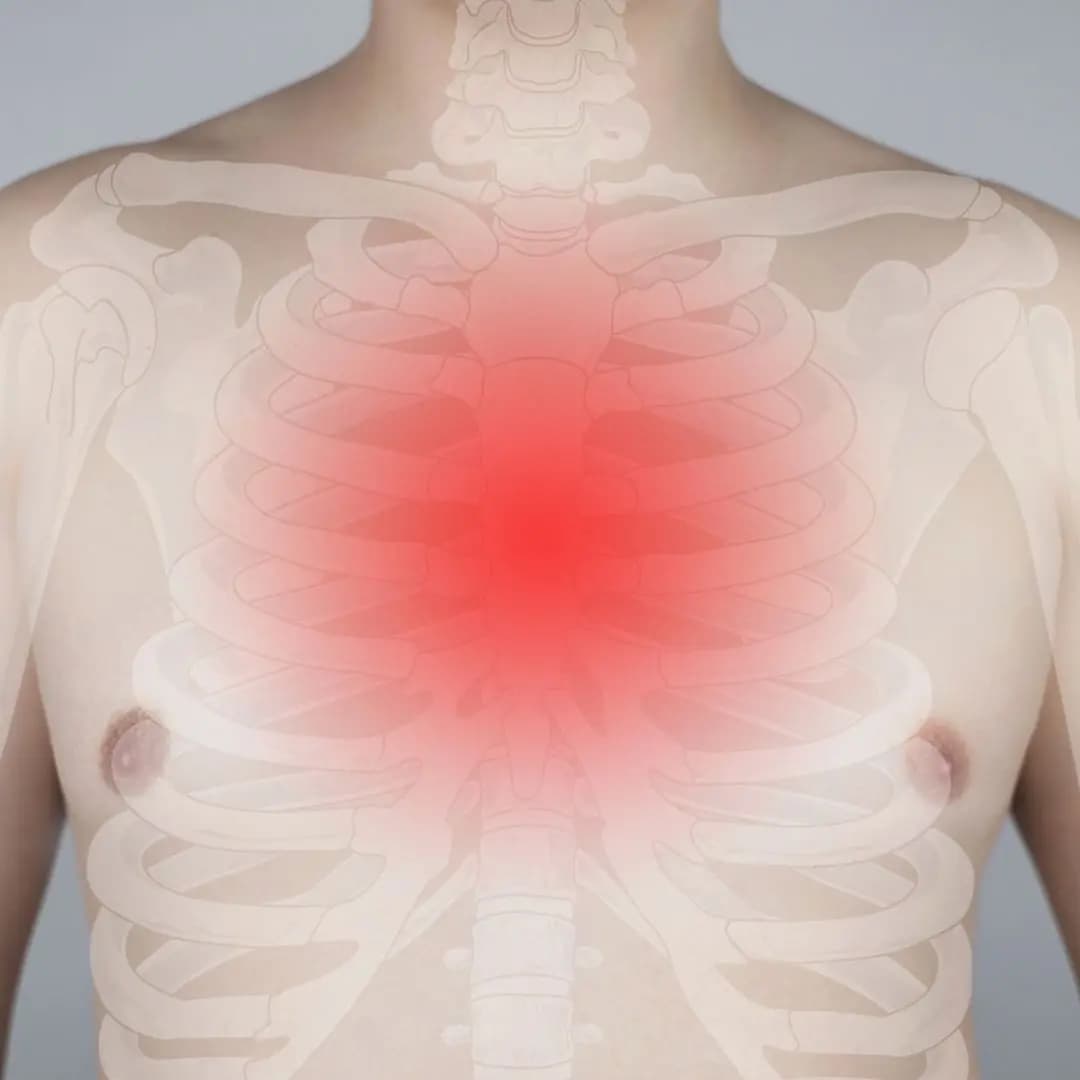
Osteoporosis often remains asymptomatic until a fracture happens. However, some individuals may experience back pain, loss of height over time, a stooped posture (kyphosis), and fractures occurring with minimal trauma or even during routine activities like bending or lifting.
Diagnosis and Screening for Osteoporosis
Diagnosing osteoporosis involves a combination of medical history assessment, physical examination, and bone density testing using dual-energy X-ray absorptiometry (DEXA) scans. Screening for osteoporosis is recommended for women over 65 and men over 70, as well as individuals with risk factors.
Treatment and Management of Osteoporosis
Treatment for osteoporosis aims to strengthen bones, prevent fractures, and manage pain. It often involves lifestyle modifications such as regular weight-bearing exercises, a balanced diet rich in calcium and vitamin D, smoking cessation, and limiting alcohol intake. Medications such as bisphosphonates, hormone therapy, and bone-building medications may also be prescribed.
What is Osteomalacia?
Osteomalacia is a condition characterized by softening of the bones due to impaired bone mineralization. Unlike osteoporosis, where there is a reduction in bone mass, osteomalacia involves a deficiency in mineralization of existing bone tissue, particularly calcium and phosphorus.
Causes and Risk Factors of Osteomalacia
Osteomalacia is primarily caused by a deficiency in vitamin D, which plays a crucial role in calcium absorption and bone mineralization. Insufficient exposure to sunlight, inadequate dietary intake of vitamin D, malabsorption disorders such as celiac disease or inflammatory bowel disease, and certain medications can contribute to vitamin D deficiency and subsequently osteomalacia.
Symptoms of Osteomalacia
The symptoms of osteomalacia include bone pain, muscle weakness, difficulty walking, and an increased risk of fractures. Individuals with osteomalacia may experience widespread bone pain, especially in the lower back, hips, and legs. Muscle weakness can lead to difficulty in performing daily activities and may result in falls and fractures.
About Zocvi
Zocvi connects patients with verified doctors and evidence-based health guidance. Visit zocvi.com or reach us on WhatsApp at +91-92724-57637.




Comments (0)