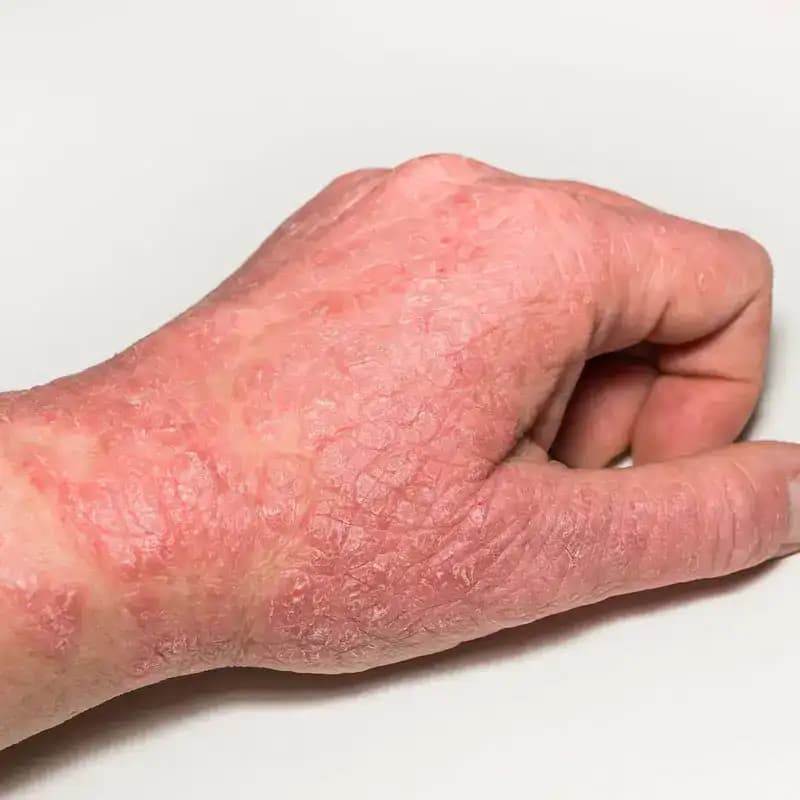
Cystic Lesion: Understanding Causes, Symptoms, and Treatment

Cystic Lesion: Understanding Causes, Symptoms, and Treatment

Overview

A cystic lesion refers to an abnormal sac or pocket filled with fluid, air, or other material that forms within tissues or organs in the body.

Introduction

A cystic lesion refers to an abnormal sac or pocket filled with fluid, air, or other material that forms within tissues or organs in the body. These lesions can vary in size, shape, and location and may be benign or associated with underlying medical conditions.

Causes of Cystic Lesions

Cystic lesions can develop for various reasons, including infection, inflammation, obstruction of ducts or glands, trauma, or congenital abnormalities. In some cases, cystic lesions may be associated with underlying medical conditions such as polycystic kidney disease, cystic fibrosis, or certain types of cancer.

Types of Cystic Lesions

There are several types of cystic lesions, each with its own characteristic features and underlying causes. Common types include simple cysts, which are fluid-filled sacs that often occur in the kidneys, liver, or ovaries, and complex cysts, which may contain solid components or septations.

Symptoms and Diagnosis

The symptoms of a cystic lesion can vary depending on its size, location, and underlying cause. In some cases, cystic lesions may be asymptomatic and discovered incidentally during imaging tests or physical examinations. However, larger or symptomatic cystic lesions may cause pain, swelling, discomfort, or other symptoms that warrant further evaluation and diagnosis.

Treatment Options

Treatment for cystic lesions depends on several factors, including the size, location, and underlying cause of the lesion, as well as the presence of any associated symptoms or complications. In many cases, small, asymptomatic cystic lesions may not require treatment and can be monitored over time. However, larger or symptomatic cystic lesions may require intervention, such as drainage, aspiration, surgical removal, or medical management.

Complications and Prognosis

While most cystic lesions are benign and do not cause serious health problems, some may be associated with complications such as infection, rupture, hemorrhage, or compression of nearby structures or organs. The prognosis for individuals with cystic lesions depends on various factors, including the underlying cause of the lesion, the presence of symptoms or complications, and the effectiveness of treatment.

Prevention and Management

While it may not always be possible to prevent cystic lesions from developing, certain lifestyle modifications and preventive measures may help reduce the risk of some types of cystic lesions. Maintaining a healthy lifestyle, avoiding known risk factors, and seeking prompt medical attention for any unusual symptoms or changes in health can help with early detection and management of cystic lesions.

Conclusion

Cystic lesions are abnormal sacs or pockets filled with fluid, air, or other material that can develop within tissues or organs in the body. Understanding the causes, symptoms, and treatment options for cystic lesions is essential for proper diagnosis and management. By seeking timely medical evaluation and appropriate treatment, individuals with cystic lesions can receive the care and support they need to maintain optimal health and well-being.


Frequently Asked Questions

I have a cystic lesion on my scan report — is this dangerous?

Most cystic lesions are benign — they're fluid-filled sacs found incidentally on ultrasound, CT, or MRI. Whether one is dangerous depends on three things: which organ it's in, its size and internal features, and any symptoms. Simple cysts (thin-walled, clear fluid, no internal septations) in kidney, liver, or ovaries are usually benign and often need no treatment — just periodic monitoring. Complex cysts (thickened walls, internal septations, solid components, or 'nodules') warrant further evaluation because a small fraction can be pre-cancerous or cancerous. Radiologists use standardised classifications — for example, the Bosniak system for kidney cysts (I and II benign, IIF requires follow-up, III and IV higher malignancy risk) and the Fleischner Society criteria for pulmonary and pancreatic cysts. Discuss your specific radiology report with your doctor; the answer varies significantly by cyst type and location.

When does a cystic lesion need treatment vs. just monitoring?

Treatment is needed if the cyst causes symptoms (pain, pressure, obstruction, bleeding), is infected, grows rapidly on follow-up imaging, has suspicious features on imaging, or is confirmed pre-cancerous or cancerous on biopsy. Simple asymptomatic cysts usually just need periodic monitoring with the same imaging technique (ultrasound, CT, or MRI) at intervals your doctor recommends — typically 6 months to 1 year depending on cyst type and initial features. Treatment options when needed include: aspiration (draining fluid, often with cyst wall sclerotherapy to prevent recurrence), surgical removal (open or laparoscopic depending on location), and radiofrequency or alcohol ablation for select cysts. Kidney cysts causing pain or obstruction may need drainage or partial nephrectomy. Pancreatic cysts with suspicious features often need surgical resection. Ovarian cysts over 5 cm or with complex features often need laparoscopic evaluation. Follow your radiologist's and treating specialist's advice on the specific plan for your cyst.

Can I prevent cystic lesions from forming?

Most cystic lesions can't be prevented — they arise from congenital tendencies, age-related changes, hormonal factors, or genetic conditions like polycystic kidney disease (PKD). But some categories are modifiable. For ovarian cysts, hormonal contraception reduces recurrent functional cysts in women prone to them. For pancreatic pseudocysts, avoiding heavy alcohol use (the main preventable cause of chronic pancreatitis) is key. For kidney cysts related to chronic kidney disease, controlling hypertension and diabetes slows kidney disease progression. Skin sebaceous cysts and pilonidal cysts can be reduced with good skin hygiene and avoiding tight clothing over pressure points. Family history of PKD warrants genetic counselling and monitoring. In general — maintain healthy weight, control blood pressure and blood sugar, don't smoke, moderate alcohol, and get any unusual lump or swelling evaluated early rather than assuming it will resolve on its own.

Questions About This Article

Have a question? Ask the author directly.

Have a question about this article?

Ask Zocvi Editorial directly. Your question may help others with similar concerns.

Q:1 answer
Q:1 answer
Q:1 answer

Comments (0)

Found this helpful? Share it!

LinkedInWhatsApp

More from Zocvi Editorial

Find a Doctor for Regular Health Checkups

Verified specialists across India

Dr. Abhijit Joshi

Cardiologist

25 yrs

Pune

Clinic
Pune, Maharashtra, 411045
₹1000 consultation
EmailWhatsApp

Dr. Ambuj Arora

Dentist

12 yrs

Muzaffarnagar

12, Dr Suresh Medical Complex, Bhagat Singh Road, Muzaffarnagar
Nabab Ganj, Muzaffarnagar, Uttar Pradesh, 251002
₹250 consultation

Dr. Rajan Bhargava

ENT Specialist

30 yrs

Kanpur

Dr. Rajan Bhargava Clinic
Brahm Nagar, Kanpur, Uttar Pradesh, 208012
₹700 consultation

Dr. Krishna Singh

Pulmonologist & Chest Physician

16 yrs

Bhopal

Siddhanta Red Cross Superspeciality Hospital
Nayapura, Bhopal, Madhya Pradesh, 462030
₹500 consultation