

Introduction
Back pain affects 80% of people globally at some point in their lives, impacting mobility, productivity, and quality of life. In Ayurveda, a 5,000-year-old system of natural healing, back pain is treated holistically by addressing its root cause rather than just the symptoms. Through personalized therapies, herbal remedies, and lifestyle adjustments, Ayurveda offers sustainable relief for back pain.
Understanding Ayurvedic Principles for Back Pain Relief
Ayurveda identifies back pain as primarily caused by an imbalance in Vata dosha, which governs movement, nerve function, and circulation. It also involves the weakening of dhatus (tissues), leading to poor spinal health. Ayurvedic treatment focuses on balancing the doshas, strengthening tissues, and alleviating pain holistically.
Vata imbalance often results in dryness, stiffness, and discomfort in the spine. Ayurvedic treatments, including herbal oils, massages, and dietary changes, aim to pacify Vata dosha for relief.
Balancing the Doshas:
Strengthening the musculoskeletal tissues (Mamsa Dhatu) and bone tissues (Asthi Dhatu) is essential for long-term back pain relief. Ayurvedic therapies nourish and rejuvenate these tissues naturally.
Strengthening the Dhatus:
Factors like poor posture, stress, improper diet, and sedentary habits worsen back pain. Ayurveda emphasizes identifying and addressing these triggers through tailored solutions.
Addressing Aggravating Factors:
Proven Ayurvedic Remedies for Back Pain Relief
Ayurvedic offers a variety of remedies and therapies proven to alleviate back pain effectively:
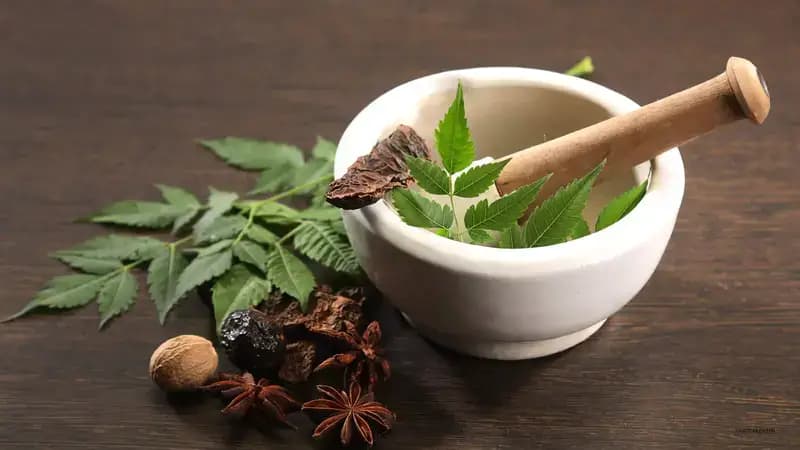
Medicinal herbs like Ashwagandha, Shallaki, and Guggulu are known for their anti-inflammatory and analgesic properties. A study published in the Journal of Ayurveda and Integrative Medicine showed that Guggulu reduces back pain intensity by 45% within 4 weeks.
Herbal Formulations:
Using warm herbal oils like Mahanarayan oil for Abhyanga improves circulation, reduces muscle tension, and alleviates pain. Regular massages help 85% of patients experience relief in chronic back pain, according to Ayurvedic clinical studies.
Abhyanga (Ayurvedic Oil Massage):
Kati Basti involves placing warm medicated oil on the lower back for targeted relief. This therapy nourishes the tissues, reduces stiffness, and promotes healing.
Kati Basti Therapy:
Yoga postures like Bhujangasana (Cobra Pose) and Marjariasana (Cat-Cow Stretch) strengthen spinal muscles and improve flexibility. Combined with Pranayama (breathing exercises), yoga reduces stress-related pain effectively.
Yoga and Pranayama:
Ayurvedic Lifestyle Recommendations for Back Pain Management
Ayurveda emphasizes holistic living to prevent and manage back pain effectively. Key lifestyle recommendations include:
Regular sleep patterns, meal times, and exercise help balance Vata dosha and support spinal health.
Follow a Consistent Routine:
Stress is a significant trigger for back pain. Techniques like meditation, mindfulness, and yoga reduce mental stress, preventing muscle tension.
Practice Stress Management:
Improper posture increases strain on the back. Ayurvedic practitioners recommend ergonomic adjustments in workspaces and mindful sitting postures.
Maintain Good Posture:
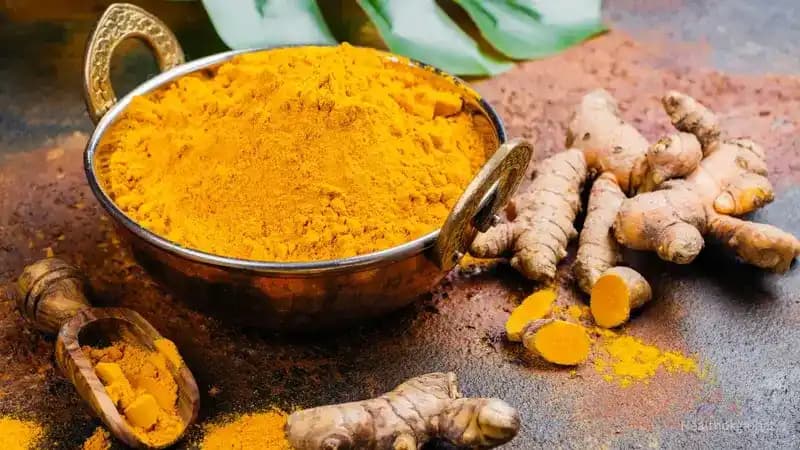
Consuming warm, nourishing foods like soups, leafy greens, and anti-inflammatory spices (e.g., turmeric and ginger) promotes spinal health and reduces inflammation.
Dietary Adjustments:
Case Study: Ayurvedic Treatment Success for Chronic Back Pain
A 42-year-old office worker suffering from chronic lower back pain for 5 years underwent a 6-week Ayurvedic treatment plan involving Abhyanga, Kati Basti, and Ashwagandha supplementation. Post-treatment results showed a 60% reduction in pain intensity and improved flexibility. This highlights the effectiveness of Ayurveda in addressing the root causes of back pain naturally.
Conclusion
Ayurveda offers time-tested and holistic solutions for back pain, addressing the root causes while promoting overall health and well-being. Through personalized therapies like Abhyanga, herbal remedies, yoga practices, and lifestyle modifications, Ayurveda not only alleviates pain but also strengthens the body to prevent recurrence. Consult an experienced Ayurvedic practitioner to create a treatment plan tailored to your unique needs and experience lasting back pain relief naturally.







Comments (0)