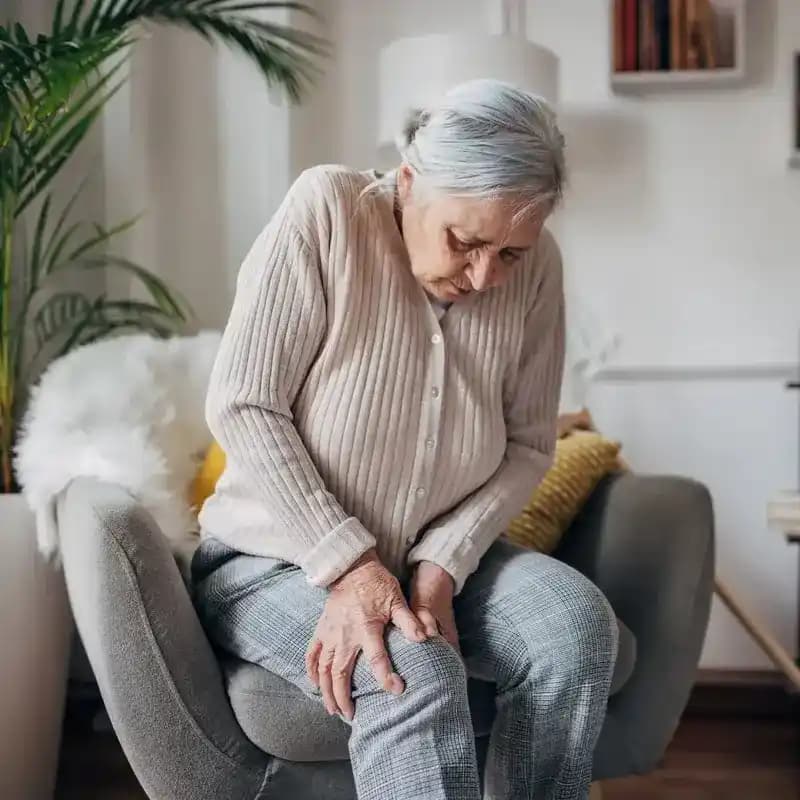
Knee Pain in Ladies: Causes and Management Tips

Knee Pain in Ladies: Causes and Management Tips

Overview

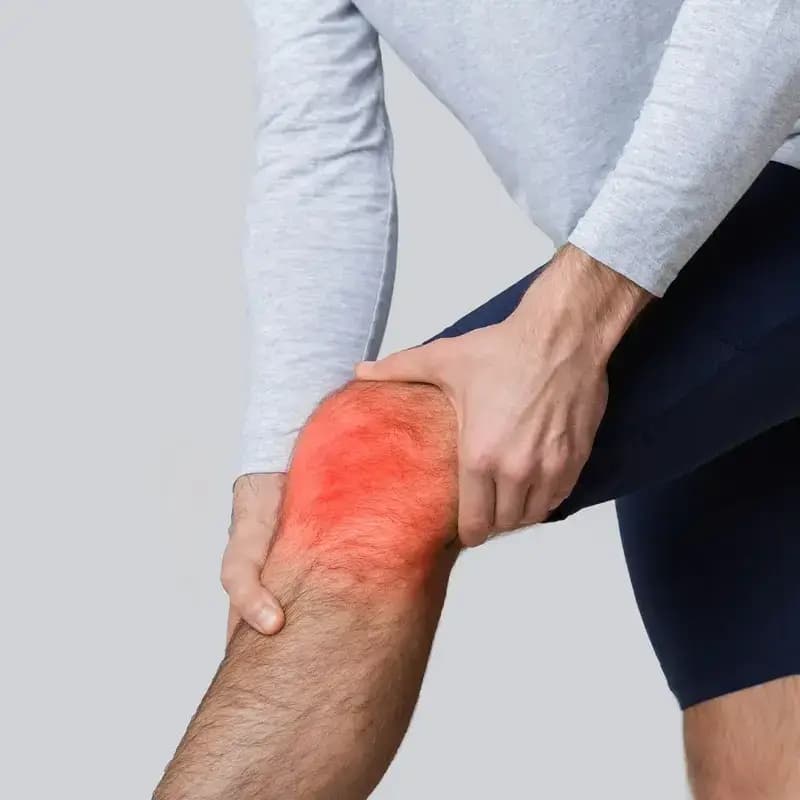
Knee pain is a common complaint among ladies, impacting daily activities and overall quality of life. Various factors contribute to knee pain in women, including anatomical differences, hormonal fluctuations, and lifestyle factors.

Introduction

Knee pain is a common complaint among ladies, impacting daily activities and overall quality of life. Various factors contribute to knee pain in women, including anatomical differences, hormonal fluctuations, and lifestyle factors. Understanding the causes and effective management strategies for knee pain is essential for women's health and well-being.

Causes of Knee Pain in Ladies

Several factors can contribute to knee pain in women, including:
Women often have wider hips and a greater angle between the hips and knees, known as the Q-angle. These anatomical differences can increase the risk of knee pain and injuries.

Anatomical Differences:

Hormonal fluctuations during menstruation, pregnancy, and menopause can affect ligament laxity and joint stability, leading to increased susceptibility to knee injuries and pain.

Hormonal Changes:

Engaging in high-impact activities such as running, jumping, or repetitive movements can put stress on the knees, leading to overuse injuries such as patellofemoral pain syndrome or runner's knee.

Overuse Injuries:

Women are more likely to develop osteoarthritis, a degenerative joint disease characterized by cartilage breakdown and inflammation, leading to pain, stiffness, and reduced mobility in the knees.

Osteoarthritis:

Excess body weight can put additional strain on the knees, increasing the risk of knee pain and osteoarthritis. Women may experience weight gain during pregnancy, menopause, or due to lifestyle factors.

Weight Gain:

Management Tips for Knee Pain

Managing knee pain in women involves a multifaceted approach that addresses underlying causes and promotes joint health. Here are some effective management tips for alleviating knee pain:
Maintaining a healthy weight through a balanced diet and regular exercise can reduce stress on the knees and decrease the risk of osteoarthritis and other joint-related issues.

Maintain a Healthy Weight:

Engage in low-impact exercises such as swimming, cycling, or walking to strengthen the muscles around the knees, improve joint stability, and reduce pain.

Low-Impact Exercise:

Incorporate strength training exercises targeting the quadriceps, hamstrings, and gluteal muscles to provide support to the knees and enhance joint function.

Strength Training:

Wear supportive footwear with cushioning and arch support to minimize stress on the knees and improve shock absorption during physical activities.

Proper Footwear:

Always warm up before exercising and cool down afterward to prepare the muscles and joints for activity and prevent injuries.

Warm-Up and Cool Down:

Use knee braces or supportive devices during high-impact activities to provide additional support and stability to the knees.

Joint Protection:

Consult with a physical therapist for personalized exercise programs and rehabilitation techniques to address knee pain and improve mobility.

Physical Therapy:

Adopting a healthy lifestyle that includes proper nutrition, adequate hydration, stress management, and sufficient sleep can support overall joint health and reduce the risk of knee pain.

Healthy Lifestyle:

Conclusion

Knee pain is a common issue that affects women of all ages, but with the right approach, it can be managed effectively. By understanding the causes of knee pain and implementing lifestyle modifications, exercise routines, and proper self-care techniques, women can alleviate pain, improve joint function, and maintain an active lifestyle. If knee pain persists or worsens, it's essential to consult with a healthcare professional for proper diagnosis and treatment.
Frequently Asked Questions

Why do women get more knee pain than men?

Multiple biological + lifestyle factors put Indian women at higher knee OA risk: (1) Hormonal — estrogen protects joint cartilage; after menopause (average age 47-48 in Indian women vs 51 in Western women), estrogen drop accelerates cartilage breakdown; women develop knee OA 2-3x more than men; (2) Anatomical — wider pelvis creates greater Q-angle at knee, increasing patellofemoral stress; (3) Muscle mass — lower baseline quadriceps and hip abductor strength = less joint support; (4) Vitamin D and calcium deficiency more common — 70-80% Indian women deficient (NIN-ICMR data); worsens bone/cartilage health; (5) Traditional Indian lifestyle factors — prolonged squatting for cooking on low platforms, floor cleaning, religious rituals, sitting cross-legged for meals — all increase knee joint load; (6) Weight gain around menopause (average 5-8 kg) + central obesity increases knee load; (7) Iron deficiency anaemia (common in Indian women) reduces exercise capacity, worsening deconditioning; (8) Underdiagnosis — Indian women often self-medicate for years before seeking care.

How does menopause affect knee pain and what can help?

During perimenopause and after menopause, estrogen levels drop, which accelerates cartilage loss, reduces bone density, increases inflammatory cytokines, and worsens muscle recovery. Practical management: bone health first — get a DEXA scan around age 50 or menopause onset; treat osteopenia or osteoporosis aggressively. Get 1,000-1,200 mg of calcium daily from combined diet and supplementation — good Indian dietary sources include milk (300 mg per 300 ml), dahi, ragi, til/sesame, and leafy greens; if diet is inadequate, supplement 500 mg elemental calcium split AM and PM. Vitamin D 2,000-4,000 IU daily to maintain 25-OH-D at 30-50 ng/mL, along with 15 minutes of morning sun. Losing even 5 kg reduces knee pain measurably. Strength training targeting quadriceps, hip abductors and core twice a week. Hormone Replacement Therapy (HRT) is an individualised decision with your gynaecologist — it can help joint symptoms but has risks (breast cancer, DVT) and isn't for everyone. Dietary phytoestrogens (soy, flaxseed) give mild benefit. Manage stress and sleep — chronic stress accelerates inflammation.

What Indian home habits worsen women’s knee pain and how do I change them?

Traditional habits that create high knee load: cooking on low platforms (baithne wali chulha) — chronic knee bending damages cartilage; raising the cooking platform to standing height helps. Prolonged squatting for floor cleaning — a standing mop, robotic vacuum, or hired help reduces knee load. Sitting cross-legged for meals — knee flexion loads joints; use a chair when possible. Kneeling for religious rituals — a small stool or floor cushion works; kneeling isn't required for prayer efficacy. Squatting toilets are the worst for knee OA — a western toilet with grab bars significantly reduces pain. Long stretches of standing while cooking without a break — use a bar stool for preparation. Thin-soled hawaii chappal or floaters give no cushioning; supportive cushioned footwear is essential. And avoiding exercise because of pain creates a vicious cycle — low-impact activity (swimming, cycling, walking) at your capacity is safer than doing nothing; a women's walking group helps keep it consistent. Implementing even 2-3 of these can reduce knee pain by 30-50% over 2-3 months without any medication.

Questions About This Article

Have a question? Ask the author directly.

Have a question about this article?

Ask Zocvi Editorial directly. Your question may help others with similar concerns.

Q:1 answer
Q:1 answer
Q:1 answer

Comments (0)

Found this helpful? Share it!

LinkedInWhatsApp

More from Zocvi Editorial

Other Articles You May Like

Dr. Sachin Sonawane

Orthopaedic Surgeon • 21 yrs • Pune

62 views

4 Habits After 50 That Can Damage Your Knees After the age of 50, certain daily habits can quietly damage your knees and accelerate arthritis.

4 Habits After 50 That Can Damage Your Knees

After the age of 50, certain daily habits can quietly damage your knees and accelerate arthritis.

Knee Replacement Surgeon on Instagram: "4 Habits After 50 That Can Damage Your KneesAfter the age of 50, certain daily habits can quietly damage your knees and accelerate arthritis. Sitting on the floor, sitting cross-legged for long periods, ignoring early knee pain, and not strengthening your leg muscles are four common reasons knee problems worsen over time. Avoiding these habits and starting simple strengthening exercises can significantly protect your knee joints. Early care and timely consultation can prevent long-term damage and help maintain mobility. At Anhad Clinic, Ludhiana, Punjab, Dr AS Passi focuses on early knee care and advanced solutions including robotic knee replacement when required.📍 Location: Near Gill Bypass, Malerkotla Road, Ludhiana📞 Call 9646 95 4444 to consult Dr AS Passi at Anhad Clinic. #KneeHealthAfter50#RoboticKneeReplacement#DrASPassi(knee health after 50, habits that damage knees, knee arthritis prevention, robotic knee replacement Ludhiana, Dr AS Passi orthopedic surgeon, Anhad Clinic Ludhiana Punjab, knee strengthening exercises, knee pain prevention tips)"

Dr. Sumedh Magar

Orthopaedic Surgeon • 6 yrs • Pune

69 views

४.

४.

We often ignore knee pain in elders thinking it’s seasonal. But pain is a signal and not something to brush off. A simple orthopedic consultation can help your parents or grandparents walk more...

Related Topics

Find a Doctor for Arthritis & Joint Health

Verified specialists across India

Dr. Aishwarya Srivastava

Gynaecologist

11 yrs

Ghaziabad

Yashash Women's Clinic
NH24, Ghaziabad, Uttar Pradesh, 201002
₹500 consultation

Dr. Nirupama Vaddi

Gynaecologist

26 yrs

Vijayawada

Birthright By Rainbow
Nagarjuna Nagar, Vijayawada, Andhra Pradesh, 520008
₹450 consultation

Dr. Babie Thiek

Gynaecologist

15 yrs

Guwahati

Apollo Clinic Dispur
Dispur, Guwahati, Assam, 781006
₹500 consultation

Dr. Neera Seth

Gynaecologist

43 yrs

Meerut

Dr. Neera Seth's Clinic
Jattiwara, Meerut, Uttar Pradesh, 250002
₹400 consultation