
Daily Water Intake Recommendations for Adults
General guidelines suggest daily water intake for men and women to maintain hydration and overall health. Learn the recommended amounts.
1 comment

Hydration & Detox covers daily fluid needs, when sports drinks help and when they do not, and the popular detox claims that mostly do not survive evidence review. Our doctors explain what hydration actually requires, how the body genuinely detoxifies itself, and why expensive detox programs rarely outperform a glass of water and a good night's sleep.
Last reviewed: 10 August 2026
General guidelines suggest daily water intake for men and women to maintain hydration and overall health. Learn the recommended amounts.

In the realm of natural beverages, coconut water has emerged as a favorite for health enthusiasts and casual consumers alike.
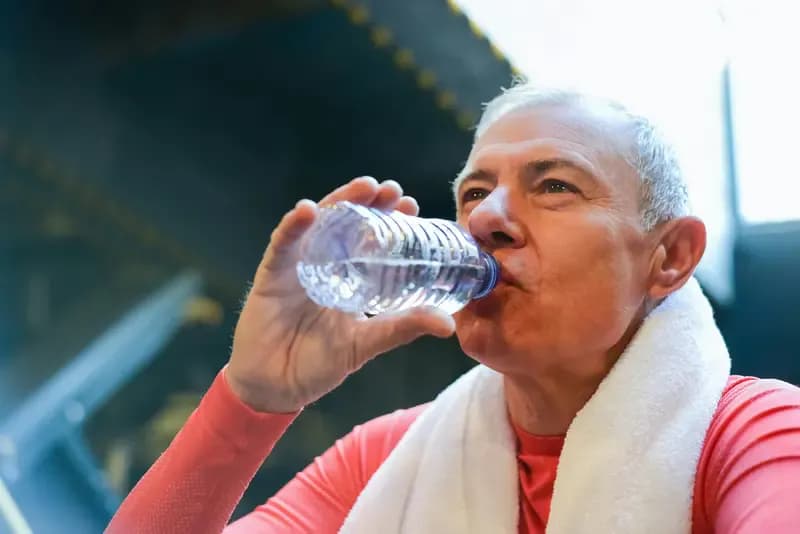
The tradition of drinking hot water spans across cultures and centuries, believed to improve health and cleanse the body.

Share this with a family member you don’t want to feel drained by the summer heat ☀️🔥
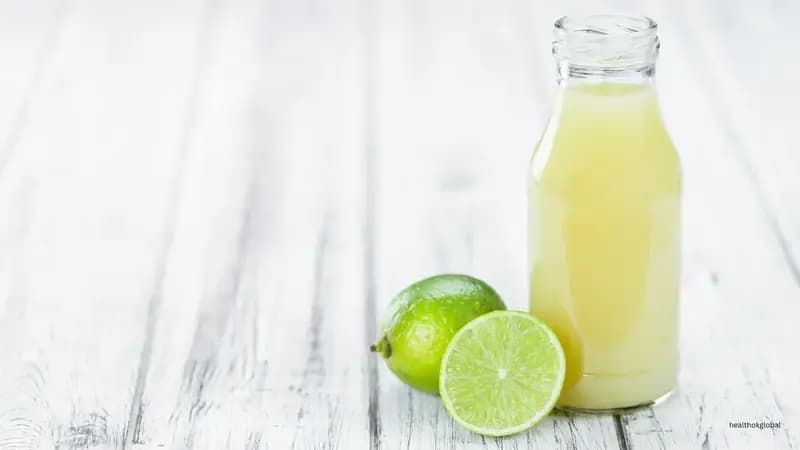
Explore the numerous health benefits of sweet lime juice, a nutritious beverage. This guide provides essential information on the nutritional value of sweet lime juice and how it can support a healthy lifestyle.
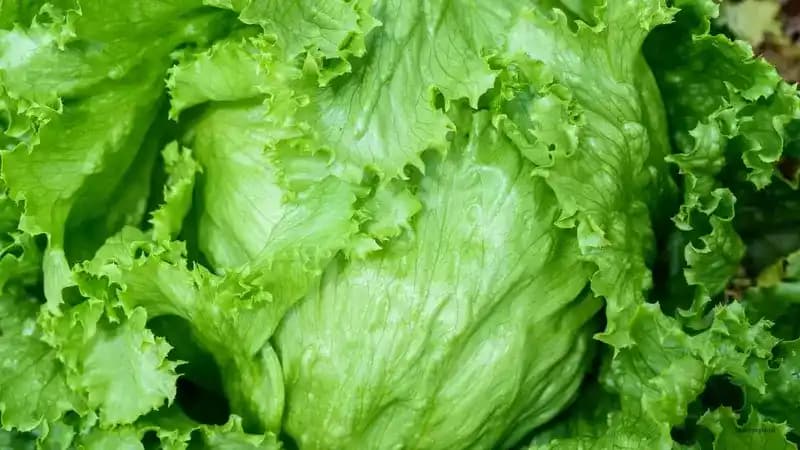
Iceberg lettuce is a refreshing and nutritious green that offers numerous health benefits.
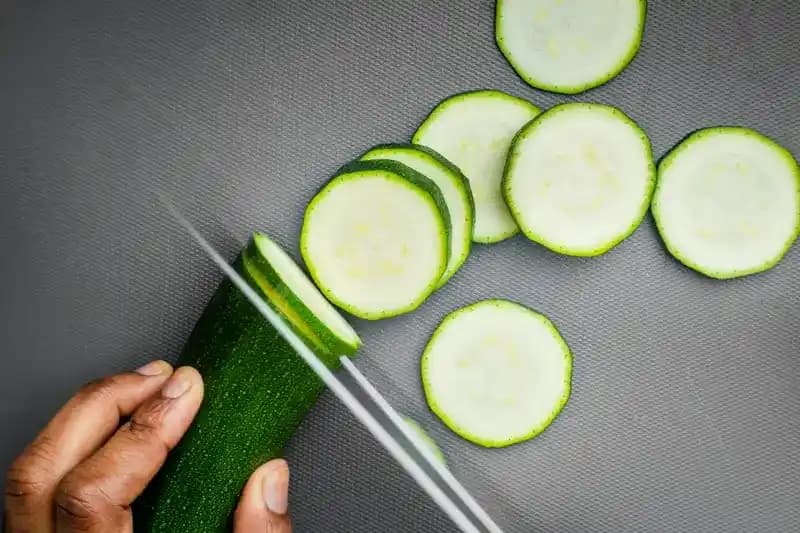
Cucumbers are more than just a garden vegetable; they are a treasure trove of nutrients and offer a plethora of health benefits.
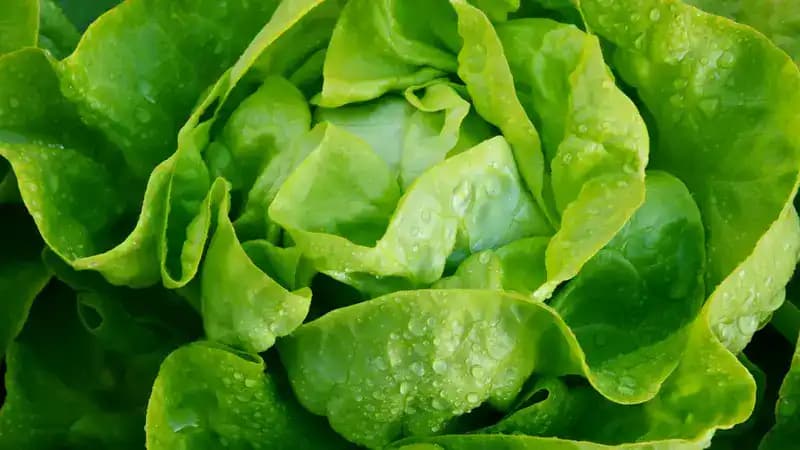
Water lettuce, a common aquatic plant, is packed with nutrients that offer numerous health benefits.
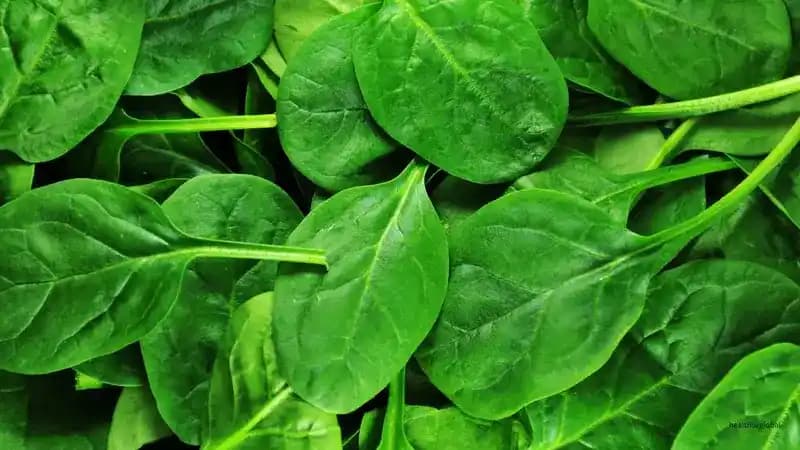
Water spinach is a nutritional powerhouse offering numerous health benefits.

Fluid volume deficit, also known as hypovolemia, occurs when there is an excessive loss of body fluids. This comprehensive nursing care plan covers the symptoms, treatment options, and long-term management strategies to improve patient outcomes.

Mushroom coffee blends traditional coffee with the health-boosting properties of medicinal mushrooms, offering energy, immune support, and cognitive benefits.
Expert answers from our medical team
The 8-glasses rule is too rigid — needs vary with body size, activity, climate, and diet. A reasonable guide: enough that your urine stays light yellow. In hot Indian summers, active people, and those doing physical labour may need 3-4 litres or more. Sedentary indoor workers in cooler months may need less. Thirst is a decent guide for most healthy adults.
No — this common Indian belief isn't supported by evidence. Water during meals doesn't 'dilute stomach acid' meaningfully or slow digestion. Drink water when thirsty, including at meals. What can matter: very cold water is uncomfortable for some people; sipping small amounts throughout the meal usually feels better than large volumes at once.
For heavy sweating over an hour or so (heavy workouts, long runs, hot outdoor work), yes — they replace lost sodium and provide quick fuel. For everyday hydration, they're mostly unnecessary sugar. Coconut water is a decent natural option. Regular ORS is far cheaper and effective for illness-related dehydration. Everyday hydration for a desk-based adult needs water, not colourful bottles.
Dark yellow urine, dry mouth, headache, fatigue, dizziness (especially on standing), reduced urine output, and — in severe cases — confusion. Older adults and young children are most vulnerable and their thirst signals are less reliable. During illness with fever, vomiting, or diarrhoea, watch hydration carefully — dehydration is a common reason for hospitalisation.
Yes, but it's rare in normal conditions. Drinking massive amounts of water in a short time can dilute blood sodium (hyponatraemia), causing headaches, nausea, confusion, and — in extreme cases — seizures. This mostly happens in endurance athletes overhydrating or people with certain medical conditions. For most people, drinking to thirst is safe.
Questions from our community members
Ask our medical community. Your question may help others with similar concerns.
Verified specialists across India