
Introduction
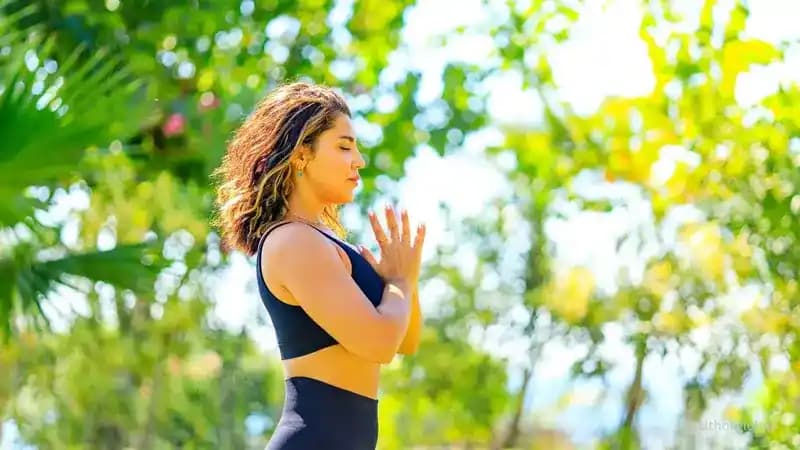
Prana Yoga focuses on harnessing the life force energy, known as prana, to enhance physical, mental, and spiritual well-being. Prana is the vital energy that flows through all living beings, and by regulating and enhancing this energy, practitioners can achieve greater health and balance. This article explores the principles of Prana Yoga, its benefits, and how to practice it for improved health and wellness.
Understanding Prana
In yogic philosophy, prana is the universal life force that permeates everything. It is the energy that sustains life and fuels all bodily functions. Prana flows through the body via energy channels called nadis and energy centers known as chakras. When prana flows freely and harmoniously, it promotes health and vitality. Blockages or imbalances in prana can lead to physical, mental, and emotional issues.
Principles of Prana Yoga
Prana Yoga combines breath control (pranayama), physical postures (asanas), and meditation to regulate and enhance the flow of prana in the body. Key principles include:
Pranayama practices involve controlling the breath to direct and enhance the flow of prana. Techniques such as Nadi Shodhana (alternate nostril breathing) and Kapalabhati (skull shining breath) are commonly used.
Breath Control
Asanas are physical postures that help open the energy channels and balance the chakras. Poses such as Tadasana (mountain pose), Trikonasana (triangle pose), and Savasana (corpse pose) are integral to Prana Yoga.
Physical Postures
Meditation techniques in Prana Yoga focus on visualizing and channeling prana. Practices such as guided meditation and chakra meditation help enhance the flow of life force energy.
Meditation
Mudras (hand gestures) and bandhas (body locks) are used to direct prana to specific areas of the body. Common practices include Jnana Mudra (gesture of knowledge) and Mula Bandha (root lock).
Mudras and Bandhas
Mindfulness and awareness of prana play a crucial role in Prana Yoga. Practitioners focus on the sensation and movement of prana within the body during their practice.
Mindfulness
Benefits of Prana Yoga
Practicing Prana Yoga offers numerous benefits for physical, mental, and spiritual health. Some of the key benefits include:
Prana Yoga helps enhance and balance the flow of life force energy, leading to increased vitality and energy levels.
Improved Energy Levels
By calming the mind and reducing stress, Prana Yoga improves mental clarity, focus, and concentration.
Enhanced Mental Clarity
Regulating prana can help manage emotions and promote a sense of inner peace and balance.
Emotional Balance
Prana Yoga supports overall physical health by improving circulation, boosting the immune system, and enhancing flexibility and strength.
Physical Health
Prana Yoga fosters a deeper connection with one's inner self and the universal life force, promoting spiritual growth and awareness.
Spiritual Growth
Pranayama Techniques in Prana Yoga
Pranayama, or breath control, is a fundamental aspect of Prana Yoga. Here are some essential pranayama techniques:
Nadi Shodhana helps balance the flow of prana in the nadis, promoting mental clarity and calmness. To practice, close one nostril with your thumb, inhale through the other nostril, then switch and exhale through the opposite nostril.
Nadi Shodhana (Alternate Nostril Breathing)
Kapalabhati involves rapid, forceful exhalations followed by passive inhalations. This practice cleanses the respiratory system and energizes the mind and body.
Kapalabhati (Skull Shining Breath)
Ujjayi breath involves inhaling and exhaling through the nose with a slight constriction in the throat, creating an audible sound. This technique calms the mind and enhances focus.
Ujjayi (Victorious Breath)
Bhramari involves producing a humming sound during exhalation, which helps reduce stress and anxiety. Close your eyes, inhale deeply, and hum while exhaling.
Bhramari (Bee Breath)
Asanas in Prana Yoga
Physical postures, or asanas, play a vital role in Prana Yoga. Here are some key asanas:
Tadasana is a foundational standing pose that helps improve posture, balance, and alignment. Stand with feet together, arms by your sides, and focus on grounding your feet into the earth.
Tadasana (Mountain Pose)
Trikonasana stretches the sides of the body and opens the chest, improving flexibility and balance. Step your feet wide apart, extend your arms, and reach one hand toward the ground while the other hand points to the sky.
Trikonasana (Triangle Pose)
Savasana is a relaxation pose that helps integrate the benefits of the practice. Lie on your back with arms and legs extended, and focus on releasing tension and relaxing deeply.
Savasana (Corpse Pose)
Meditation in Prana Yoga
Meditation is an integral part of Prana Yoga. Here are some meditation techniques:
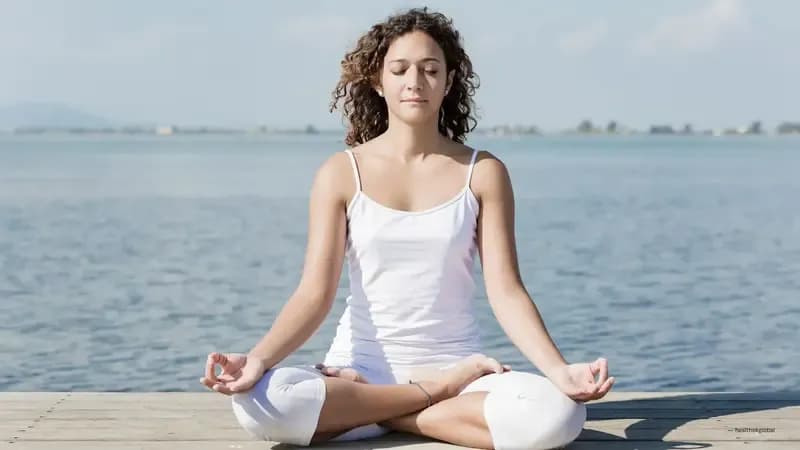
Guided meditation involves following verbal instructions to visualize and channel prana. Find a comfortable seated position and listen to a guided meditation recording or instructions.
Guided Meditation
Chakra meditation focuses on visualizing and balancing the chakras. Sit comfortably, close your eyes, and visualize the energy centers along your spine, from the root to the crown.
Chakra Meditation
Conclusion
Prana Yoga offers a comprehensive approach to enhancing physical, mental, and spiritual well-being by harnessing the life force energy. By incorporating pranayama, asanas, meditation, and mindfulness, practitioners can achieve greater health, balance, and inner peace. Embrace the power of Prana Yoga to transform your life and connect with the universal energy that sustains us all.






Comments (0)