Nutrition During Active TB Disease Treatment: What to Eat and What to Limit

Nutrition during active TB disease treatment should match nutritional status and the prescribed regimen. This guide does not cover latent TB infection treatment.

Tuberculosis covers active and latent TB, which remains a major public health challenge in India. Our doctors and editorial team explain symptoms that warrant evaluation, India's RNTCP/NTEP protocols, what DOTS treatment involves, when MDR-TB enters the picture, and how families can support a patient through months of therapy.
Last reviewed: 10 August 2026
Nutrition during active TB disease treatment should match nutritional status and the prescribed regimen. This guide does not cover latent TB infection treatment.
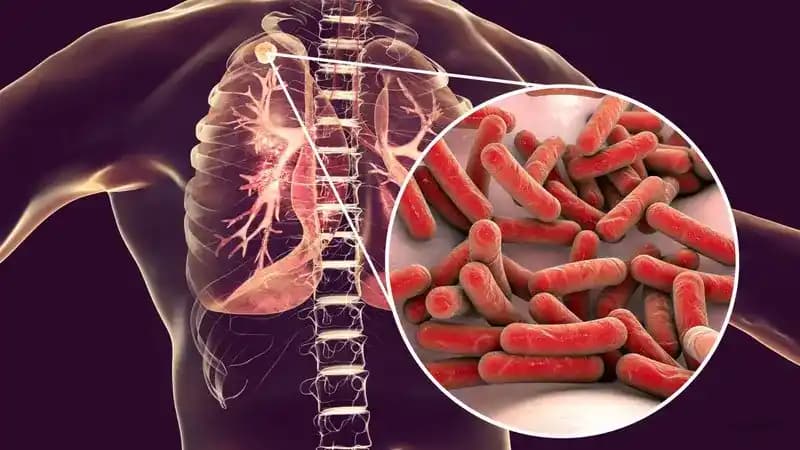
TB progresses through three distinct stages, primary infection, latent TB (dormant, non-contagious), and active disease. Understanding how the bacteria evade the immune system and where treatment fits in each stage matters for anyone in India where TB remains highly prevalent.
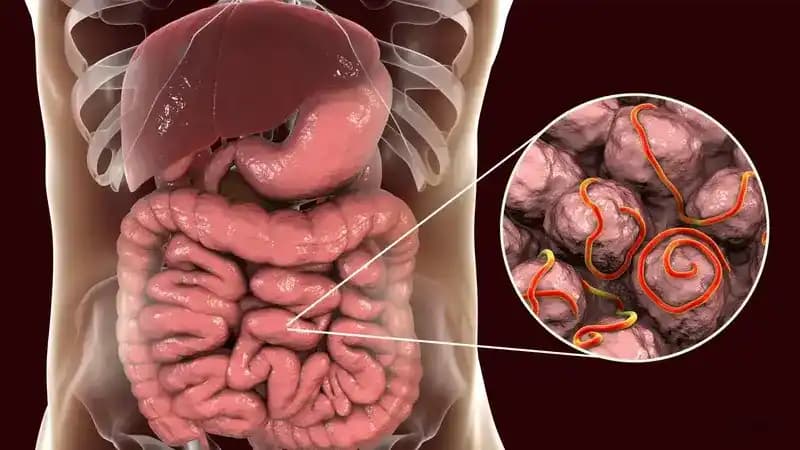
Intestinal tuberculosis is a form of TB that affects the gastrointestinal tract, presenting with various symptoms and requiring specific diagnostic and treatment approaches.
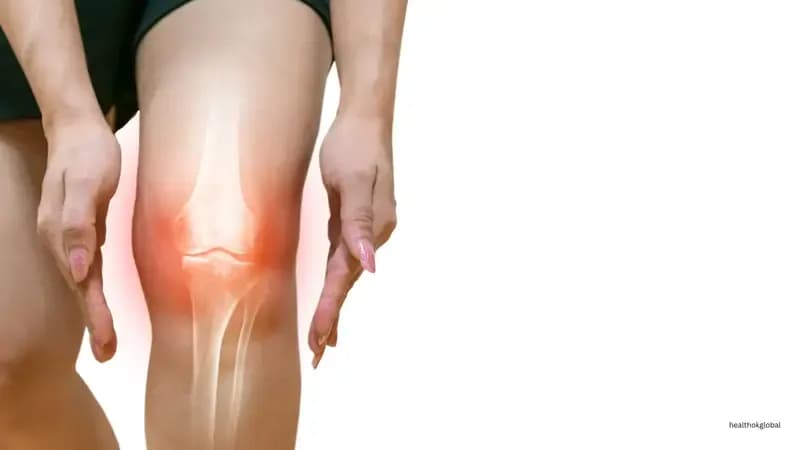
Bone tuberculosis, also known as skeletal tuberculosis, is a form of extrapulmonary TB that affects the bones and joints.

A nursing care plan for tuberculosis involves comprehensive strategies and interventions to manage the disease and support patient recovery.

The pathophysiology of tuberculosis involves complex interactions between the Mycobacterium tuberculosis bacterium and the host's immune system.
Expert answers from our medical team
TB spreads through the air when someone with active pulmonary TB coughs, sneezes, or talks. Prolonged close contact (family members, shared workplaces) carries the highest risk. Casual brief contact rarely spreads TB. Latent TB infection (bacteria present but not causing disease or spreading) is common in India — around 40% of adults have it. Only active TB is contagious.
Persistent cough of more than 2-3 weeks (often with sputum, sometimes with blood), evening fever, night sweats, unexplained weight loss, loss of appetite, and fatigue. TB can also affect other organs — bones, kidneys, brain, lymph nodes — with more localised symptoms. Any cough lasting more than 2-3 weeks in India warrants TB testing, especially with weight loss or fever.
Yes — with a full 6-month (or longer for complicated cases) course of anti-TB drugs, most TB is fully cured. The problem is completing the course. Stopping early because you feel better leads to drug-resistant TB, which is much harder and more expensive to treat. India's national TB programme provides free treatment; DOTS (Directly Observed Treatment) is designed to support completion.
India has the world's largest TB burden — around a quarter of global cases. Reasons include high latent infection rates, poverty and malnutrition, overcrowded living, delayed diagnosis, incomplete treatment (leading to resistance), and rising diabetes (which increases TB risk). The government's End TB Strategy targets 2025 elimination but progress is uneven.
Yes — close contacts of someone with active TB should be evaluated for both active disease and latent infection. Children and immunocompromised family members are especially important to test. Preventive treatment (a course of anti-TB medication) can be given to contacts with latent infection to prevent it becoming active. Your doctor or the local TB centre will guide this.
Questions from our community members
Ask our medical community. Your question may help others with similar concerns.
Verified specialists across India