HIV Test Kit: Types, Benefits, and How to Use Them
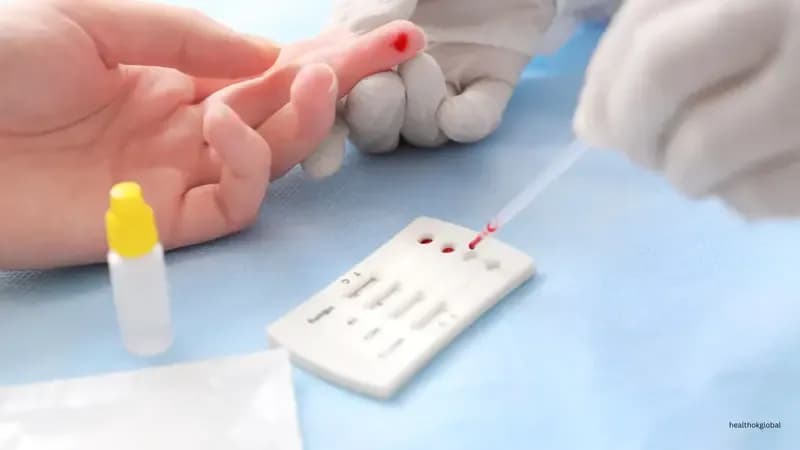
HIV test kits are essential tools for diagnosing HIV infection, offering various types, benefits, and ease of use for early detection.

Sexually Transmitted Infections covers chlamydia, gonorrhoea, syphilis, herpes, HPV, and HIV — including the stigma that delays Indian patients from seeking care. Our doctors and editorial team treat these as the routine medical conditions they are: how testing works, what current treatments achieve, and why early diagnosis matters for partners and outcomes.
Last reviewed: 10 August 2026
HIV test kits are essential tools for diagnosing HIV infection, offering various types, benefits, and ease of use for early detection.
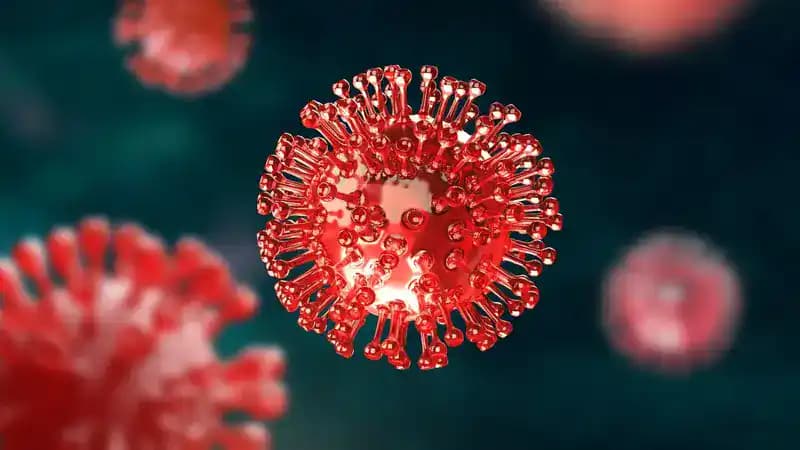
The pathogenesis of HIV involves complex interactions between the virus and the host's immune system.
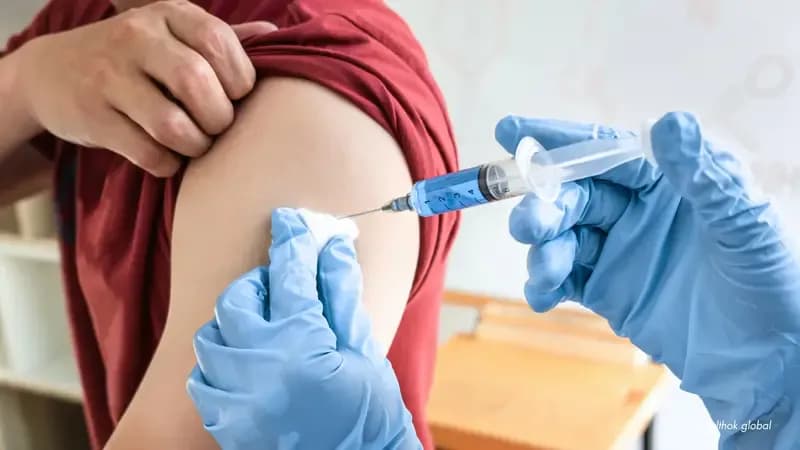
Understand everything about the HPV vaccine — from its benefits and dosing schedule to side effects, pricing in India, and availability in government hospitals.
Expert answers from our medical team
In India: chlamydia and gonorrhoea (often silent, especially in women), HPV, herpes, syphilis, and HIV. Trichomoniasis and bacterial vaginosis in women. Many STIs cause no symptoms for months or years — which is why testing matters if you've had unprotected sex or a new partner. Untreated, some cause infertility, chronic pain, or cancer.
Yes, if you've had unprotected sex with a new partner, multiple partners, or a partner whose status you don't know. HIV testing is recommended at least once for all adults. Testing is confidential, and — in government sexual health clinics — often free. Home HIV test kits are also available. Regular testing is a normal part of adult health for anyone sexually active outside a mutually monogamous relationship.
Yes — most sexually active adults will be exposed to HPV at some point. Most infections clear on their own within 1-2 years. A subset persists and can cause cervical, throat, anal, and other cancers. Vaccination in adolescence prevents most cancer-causing HPV strains. Regular cervical screening (Pap smear or HPV test) catches persistent infection before it becomes cancer.
Condoms — used correctly and consistently — reduce risk substantially but don't eliminate it for infections spread by skin contact (HPV, herpes). Vaccination for HPV and hepatitis B. Regular testing if you have new or multiple partners. Honest conversation with partners about testing and status. Reducing partner numbers, or a mutually monogamous relationship where both partners have tested, is the lowest-risk approach.
Government-run Integrated Counselling and Testing Centres (ICTCs) offer free confidential HIV testing across India. Private labs and clinics offer broader STI panels. Many sexual health clinics protect confidentiality — you don't need to give your real name for HIV testing in most cases. Teleconsultations with tele-STI services have made access easier for people uncomfortable visiting in-person clinics.
Questions from our community members
Ask our medical community. Your question may help others with similar concerns.
Verified specialists across India