
Introduction
HIV test kits are essential tools for diagnosing HIV infection, offering various types, benefits, and ease of use for early detection. Understanding these test kits is crucial for promoting HIV testing and improving health outcomes. Early detection of HIV allows for timely initiation of treatment, which can significantly improve the quality of life for those living with HIV.
Overview of HIV
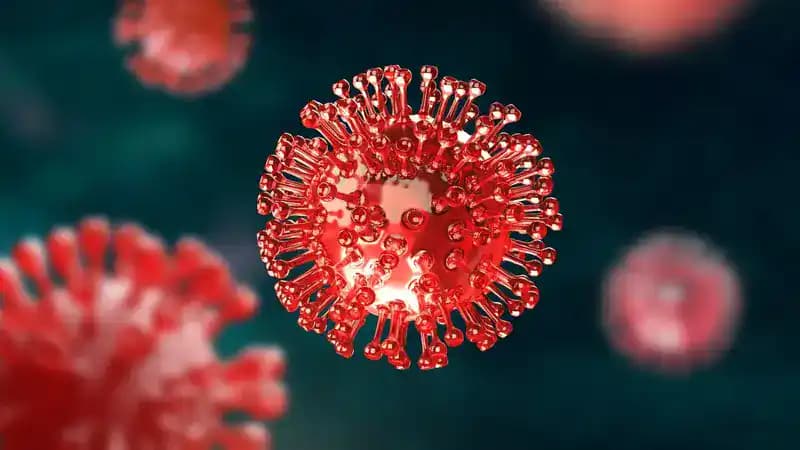
Human Immunodeficiency Virus (HIV) is a virus that attacks the immune system, leading to acquired immunodeficiency syndrome (AIDS) if left untreated. Early detection and treatment of HIV are vital for managing the infection and preventing its progression to AIDS. HIV can be transmitted through contact with infected blood, semen, vaginal fluids, and breast milk.
Types of HIV Test Kits
There are several types of HIV test kits available, each with its own advantages and limitations. The main types include:
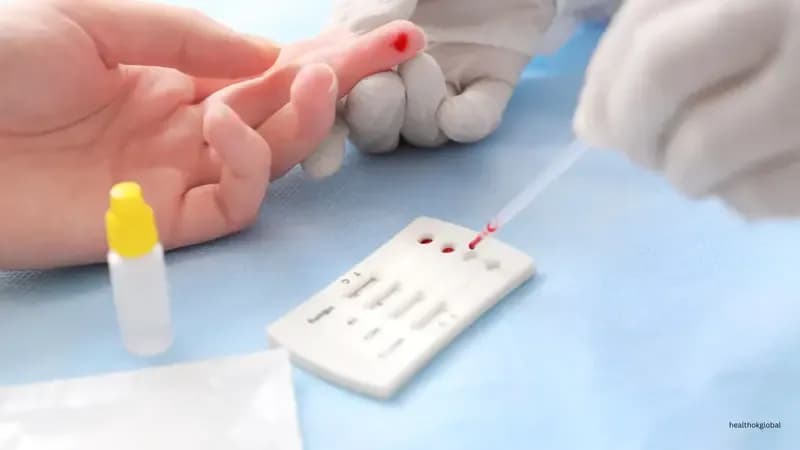
These kits provide results within 20-30 minutes and are easy to use. They detect HIV antibodies in blood or oral fluid samples. Rapid tests are suitable for use in clinical settings as well as for home testing.
Rapid HIV Test Kits
Home test kits allow individuals to collect samples at home and send them to a laboratory for analysis. Results are usually available within a few days. These kits offer the convenience of testing in the privacy of one's home.
Home HIV Test Kits
Self-test kits allow individuals to perform the test and interpret the results at home. These kits typically use oral fluid samples and provide results within minutes. Self-test kits offer a confidential way to get tested without visiting a healthcare facility.
Self-Test HIV Kits
Benefits of HIV Test Kits
HIV test kits offer numerous benefits, including:
Early detection of HIV allows for timely initiation of antiretroviral therapy (ART), improving health outcomes and reducing the risk of HIV transmission. Early treatment helps maintain immune function and prevent opportunistic infections.
Early Detection
HIV test kits provide a convenient and private way to get tested, eliminating the need for clinic visits. They are especially beneficial for individuals who may have difficulty accessing healthcare facilities.
Convenience
These kits are widely available and accessible, making HIV testing more approachable for people who may be hesitant to visit a healthcare facility. Increased accessibility helps promote regular testing and early diagnosis.
Accessibility
HIV test kits offer a confidential way to get tested, ensuring privacy and reducing stigma associated with HIV testing. Confidential testing encourages more individuals to get tested without fear of discrimination.
Confidentiality
How to Use an HIV Test Kit
Using an HIV test kit involves several steps to ensure accurate results. Here’s a general guide on how to use a rapid HIV test kit:
Read the instructions carefully and gather all necessary materials. Ensure the test kit is within its expiration date.
Step 1: Prepare the Test
Depending on the kit type, collect a blood or oral fluid sample following the instructions provided. Use the lancet for blood samples or the swab for oral fluid.
Step 2: Collect the Sample
Apply the sample to the test device as instructed. Wait for the specified time (usually 20-30 minutes) for the results to develop.
Step 3: Perform the Test
Interpret the results according to the instructions. A positive result indicates the presence of HIV antibodies, while a negative result indicates the absence of HIV antibodies. For any positive result, it is crucial to seek confirmatory testing at a healthcare facility.
Step 4: Interpret the Results
Accuracy of HIV Test Kits
HIV test kits are generally accurate when used correctly. However, false positives and false negatives can occur. It is essential to follow up any positive result with confirmatory testing and seek professional medical advice. Understanding the limitations of each test kit is important for accurate interpretation of results.
Considerations and Precautions
When using an HIV test kit, consider the following precautions:
HIV test kits may not detect recent infections due to the window period (the time between exposure to HIV and the appearance of detectable antibodies). If there is a risk of recent exposure, retesting after the window period is recommended.
Window Period
Carefully follow the instructions provided with the test kit to ensure accurate results. Misuse or misunderstanding of the instructions can lead to incorrect results.
Follow Instructions
For any positive result or if there are concerns about the test, seek professional medical advice and confirmatory testing. Healthcare providers can offer guidance and support for managing HIV.
Seek Professional Advice
Conclusion
HIV test kits are essential tools for early detection and management of HIV infection. By providing convenient, accessible, and confidential testing options, these kits play a crucial role in promoting HIV testing and improving health outcomes. Understanding how to use these kits and interpreting the results accurately is vital for effective HIV management. For any positive result or concerns, seeking professional medical advice and confirmatory testing is essential. Embrace the benefits of HIV test kits and take proactive steps towards maintaining your health and well-being. Regular testing and early diagnosis are key components of HIV prevention and care.


Comments (0)