Winter Wellness: Essential Care Tips for Seniors

Winter brings unique challenges for everyone, especially for the elderly. Cold temperatures, icy conditions, and flu season pose significant risks to seniors.

Seasonal Health covers the illness patterns that swing with Indian seasons — viral fevers in winter, vector-borne disease in monsoon, heat-related illness in summer, allergies in pollen season. Our doctors and editorial team explain what to expect each quarter and the practical adjustments that keep families ahead of seasonal illness.
Last reviewed: 11 August 2026
Winter brings unique challenges for everyone, especially for the elderly. Cold temperatures, icy conditions, and flu season pose significant risks to seniors.

Share this with a family member you don’t want to feel drained by the summer heat ☀️🔥
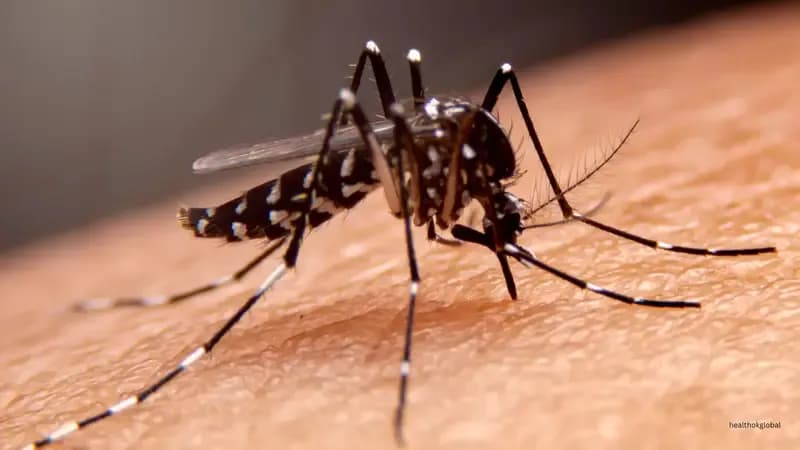
Dengue and malaria are two of the most common mosquito-borne diseases affecting millions of people worldwide.
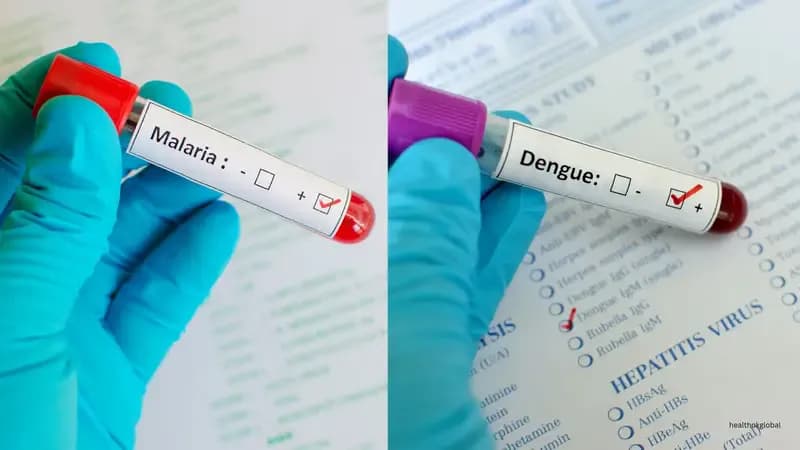
Explore the differences and similarities in the symptoms of malaria and dengue. This guide provides essential information on how to differentiate between these two mosquito-borne diseases.

Expert answers from our medical team
Monsoon brings dengue, malaria, chikungunya, and waterborne infections (typhoid, hepatitis A, gastroenteritis). Practical steps: eliminate standing water around the home (flowerpot saucers, coolers), use mosquito repellent and nets, drink filtered or boiled water, avoid street food and uncovered items, wash hands frequently, and don't ignore fever — see a doctor early since dengue can worsen fast.
Heat-related illness (heat exhaustion and heatstroke), dehydration, food poisoning, and skin issues. Drink plenty of water and ORS if working outside, avoid alcohol and heavy meals in the heat, don't leave children or elderly in parked cars, watch for signs of heat exhaustion (heavy sweating, weakness, headache, nausea) — and cool the person immediately if symptoms appear. Heat waves in India are getting more severe.
In cities with severe winter pollution (Delhi, Kolkata, and increasingly others): check AQI daily, use N95 masks outdoors when AQI is very high, keep windows closed on bad days, consider an indoor air purifier for asthmatics and children, exercise indoors on high-pollution days. Kids and older adults with lung conditions are most vulnerable. Long-term exposure has real effects — a personal purifier isn't paranoia.
Annual flu vaccine (October-November before flu season) — especially for children, adults over 65, pregnant women, and anyone with chronic conditions. In endemic areas, JE (Japanese encephalitis) and typhoid vaccines. Travellers to certain regions may need additional vaccines. Flu vaccination is underused in India — worth discussing with your family doctor each autumn.
Temperature swings, dry or damp air, more time indoors sharing infections, seasonal allergens, and viral circulation patterns. Add pollution in autumn/winter, monsoon dampness, or summer dehydration and immunity gets stressed. Simple habits — good sleep, hand hygiene, staying hydrated, vaccinations where relevant, and avoiding sick contacts when possible — cover most of it.
Questions from our community members
Ask our medical community. Your question may help others with similar concerns.
Verified specialists across India