Ayurvedic Medicine for Piles – Natural Remedies
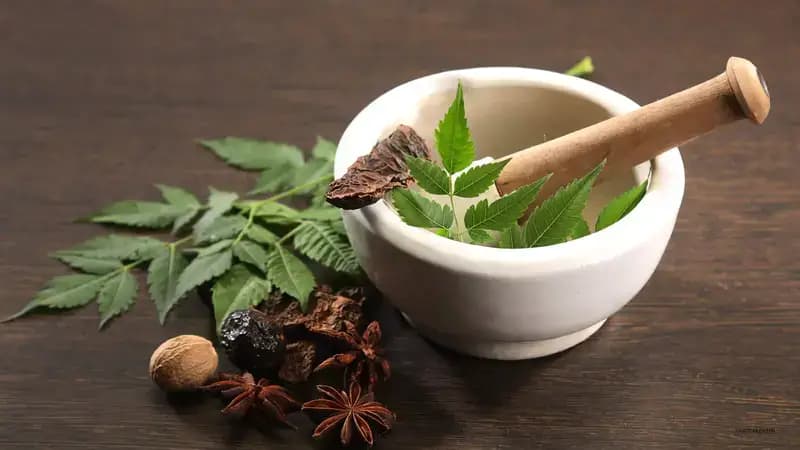
Piles, also known as hemorrhoids, are swollen veins in the lower rectum and anus that can cause discomfort and bleeding.

Digestive Procedures & Tests covers endoscopy, colonoscopy, FibroScan, and the diagnostic tools gastroenterologists use to evaluate symptoms. Our doctors and editorial team explain when each test is genuinely indicated, what to expect during the procedure, how to prepare, and how to interpret findings.
Last reviewed: 11 August 2026
Piles, also known as hemorrhoids, are swollen veins in the lower rectum and anus that can cause discomfort and bleeding.

Hernias are a prevalent health concern, occurring when an organ or tissue protrudes through a weak spot in the surrounding muscle or tissue. This guide explores natural remedies for hernia relief in 2025.
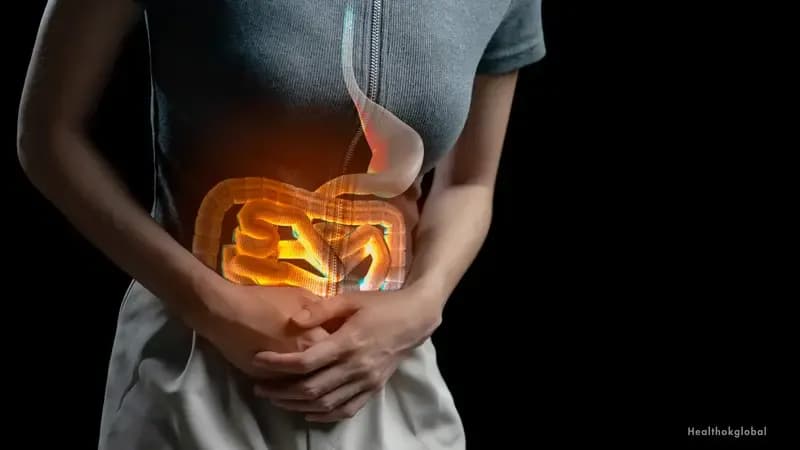
Abdominal pain is a common complaint among patients and can be caused by a variety of conditions. This guide provides a detailed nursing care plan for effective assessment, diagnosis, and management.
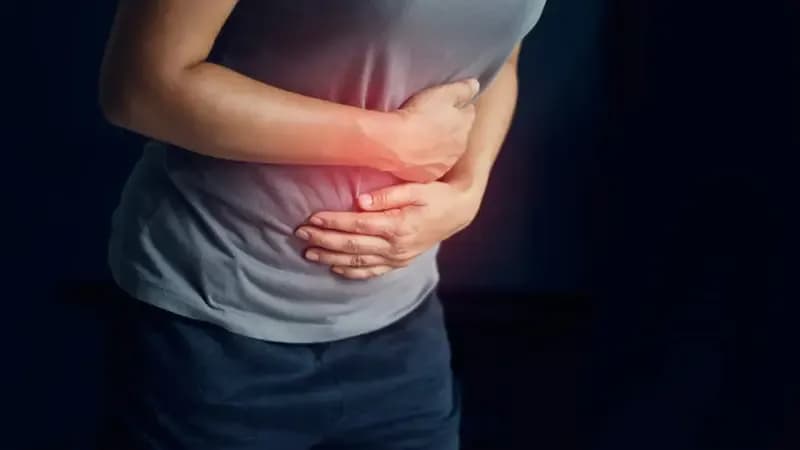
Appendicitis is a common medical emergency that requires prompt diagnosis and surgical intervention.
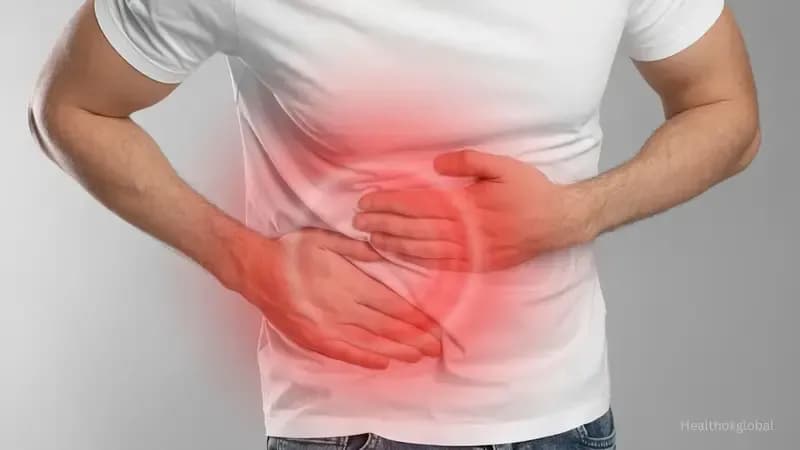
Appendicitis is an inflammation of the appendix, requiring prompt medical attention and surgical intervention. Learn about the nursing diagnosis, symptoms, and care strategies for effective management.
Hernias occur when an organ or tissue protrudes through a weak spot in the surrounding muscle or connective tissue.
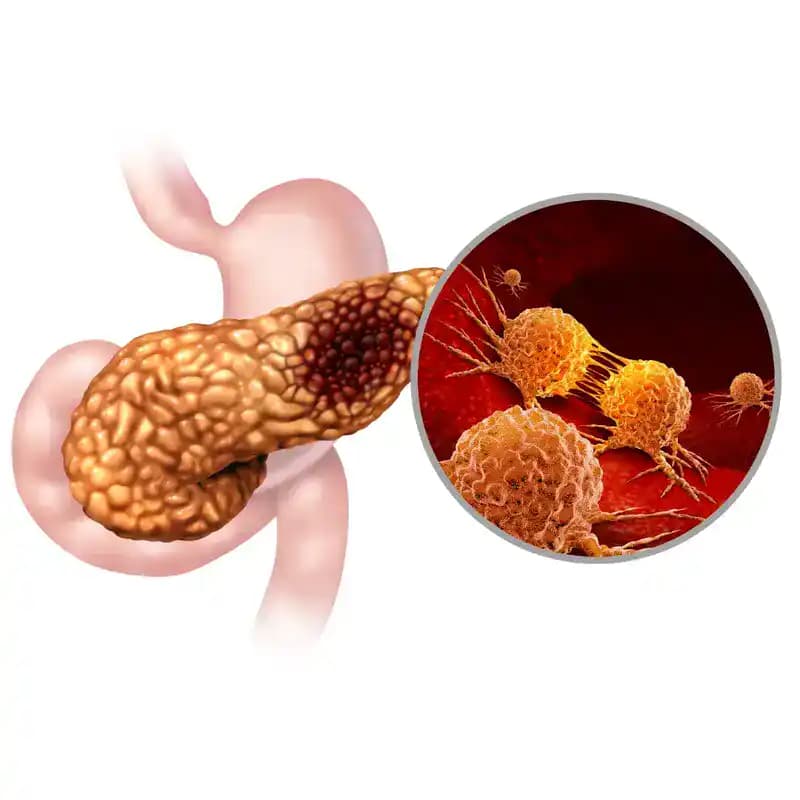
Pancreatitis, an inflammation of the pancreas, can manifest in acute or chronic forms, each bringing discomfort and potential health risks.
Piles, or hemorrhoids, are a common condition among seniors, leading to discomfort and affecting quality of life.
Expert answers from our medical team
An endoscopy uses a thin flexible tube with a camera to look at the upper digestive tract (food pipe, stomach, first part of small intestine). It's used for persistent reflux, unexplained upper abdominal pain, vomiting blood, difficulty swallowing, or to biopsy suspicious areas. It takes 10-15 minutes, usually under light sedation, and you go home the same day.
Endoscopy looks at the upper GI tract from the mouth down. Colonoscopy looks at the large intestine from below, usually to investigate blood in stool, bowel changes, or as a colon cancer screening from age 45-50. Colonoscopy requires 24 hours of bowel preparation (usually a laxative solution), which many people find worse than the procedure itself. Both are done under sedation and take 30-60 minutes.
Both are done under sedation — most patients don't remember the procedure. You may have some throat discomfort after endoscopy or bloating after colonoscopy. Serious complications (bleeding, perforation) are rare — less than 1 in 1000. Choose a doctor and centre with experience: high-volume centres have lower complication rates.
For endoscopy: no food for 6-8 hours, no water for 2 hours before. For colonoscopy: low-fibre diet for 2-3 days before, clear liquids the day before, and a bowel-prep solution taken the evening and early morning before. Follow the exact instructions from your doctor — inadequate prep means missed findings and a repeat procedure.
During endoscopy or colonoscopy, doctors can biopsy suspicious areas, remove polyps, treat bleeding, or dilate strictures — all in the same session. Biopsy results take 3-7 days. Removing a polyp during colonoscopy is standard and often prevents cancer down the road. The doctor will explain findings the same day and give you a written report.
Questions from our community members
Ask our medical community. Your question may help others with similar concerns.
Verified specialists across India