
Introduction
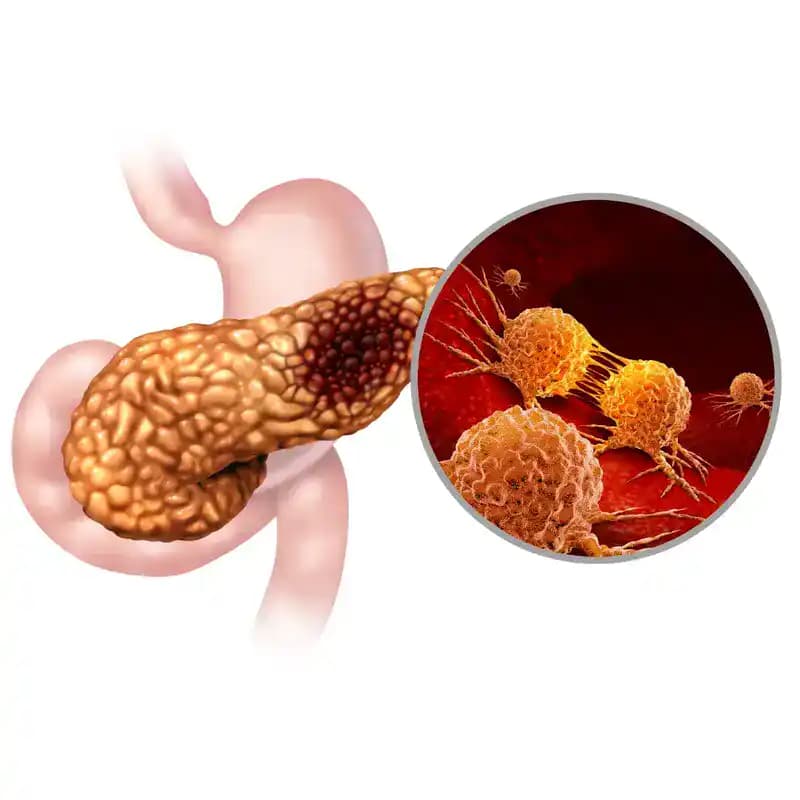
Pancreatitis, an inflammation of the pancreas, can manifest in acute or chronic forms, each bringing discomfort and potential health risks. While the diagnosis of pancreatitis strictly requires professional medical evaluation, understanding the symptoms and knowing when to seek medical advice is crucial. This guide will explore how to test for pancreatitis at home in the context of identifying symptoms and understanding next steps, rather than self-diagnosing or treating the condition.
Understanding Pancreatitis
Pancreatitis occurs when the pancreas becomes inflamed, disrupting its normal functions. The pancreas plays a vital role in digestion and regulating blood sugar levels, making any dysfunction a cause for concern.
Symptoms to Watch For
Key symptoms associated with pancreatitis include severe upper abdominal pain that may radiate to the back, nausea, vomiting, fever, and a rapid pulse. Chronic pancreatitis might also lead to weight loss and oily, smelly stools. Recognizing these symptoms early can be pivotal in seeking timely medical intervention.
How to Test for Pancreatitis at Home: Identifying Symptoms
It's important to clarify that how to test for pancreatitis at home primarily involves monitoring for symptoms rather than conducting any form of self-diagnosis.
Monitoring Abdominal Pain and Digestive Issues
Pay attention to the nature and location of abdominal pain. Pancreatitis-related pain often intensifies after eating and can become persistent. Noting the characteristics of digestive disturbances can also provide clues to inform discussions with healthcare providers.
Recognizing Systemic Symptoms
Besides abdominal discomfort, systemic symptoms like fever, nausea, and an accelerated heartbeat suggest that the body is under stress, potentially from inflammation like that seen in pancreatitis.
When to Seek Professional Medical Diagnosis
If you suspect pancreatitis based on symptom observation at home, it's critical to seek professional medical care immediately. Healthcare providers use a combination of medical history, physical examination, blood tests, and imaging studies to accurately diagnose pancreatitis.
Professional Diagnostic Tests
Elevated levels of pancreatic enzymes in the blood can indicate pancreatitis.
Blood Tests:
Ultrasounds, CT scans, and MRIs help visualize inflammation or damage to the pancreas.
Imaging Tests:
Managing Pancreatitis: The Role of Professional Care
Upon diagnosis, treatment for pancreatitis can include hospitalization to stabilize the condition, pain management, and addressing the underlying cause. Chronic pancreatitis may require long-term dietary changes, enzyme supplements, and monitoring for complications.
The Importance of Professional Guidance
Professional guidance is paramount in managing pancreatitis. Self-testing or delaying professional evaluation can lead to complications. Early diagnosis and treatment can significantly improve outcomes for individuals with pancreatitis.
Conclusion: A Call for Awareness and Action
While how to test for pancreatitis at home focuses on symptom awareness, the actual testing and diagnosis of pancreatitis require professional medical intervention. Recognizing symptoms early and understanding their potential significance encourages prompt medical consultation, ensuring that individuals receive the necessary care and treatment. Remember, pancreatitis is a serious medical condition, and its management should always be guided by healthcare professionals.




Comments (0)