Curated by ZOCVI Medical Team

Common Childhood Illnesses

Overview

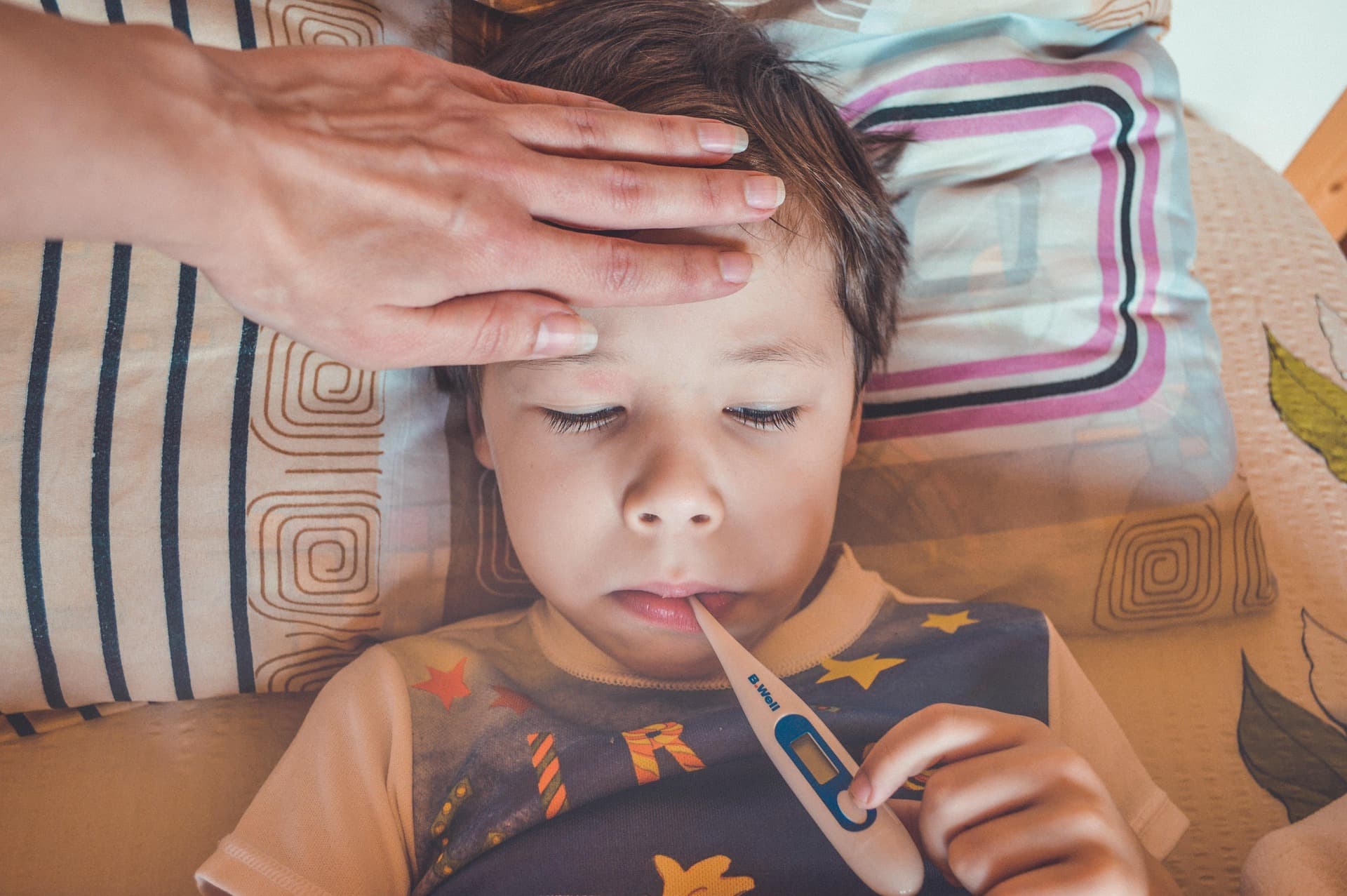
Common Childhood Illnesses covers fevers, colds, ear infections, diarrhea, rashes, asthma, and the everyday conditions that drive most pediatric visits. Our pediatricians and editorial team explain what is usually self-limiting, what warning signs warrant a visit, how to manage at home, and when antibiotics are appropriate versus not.

Last reviewed: 10 August 2026

Expert Guides

Frequently Asked Questions

Expert answers from our medical team

How can I tell if my child has a viral or bacterial infection?

You often can't tell for sure without a doctor. Viral illnesses (colds, most sore throats, stomach bugs) tend to come with runny nose, cough, mild fever, and get better in 5-7 days. Bacterial infections often have higher fever, are more localised (ear pain, painful urination, one-sided sore throat), and don't improve on their own. Antibiotics only help bacterial infections — using them for viruses does harm.

What childhood illnesses should I be most vigilant about in India?

Dengue, typhoid, diarrhoeal illness with dehydration, and — in unvaccinated children — measles, whooping cough, and diphtheria. Also watch for tuberculosis in children who've had close contact with an adult with active TB. Routine immunisation prevents most of the vaccine-preventable diseases; hydration and hygiene help with the rest.

When should I worry about diarrhoea in my child?

Watch for signs of dehydration: fewer wet nappies, dry mouth, no tears when crying, sunken eyes, unusual sleepiness, or a soft spot on the head that looks sunken in babies. Blood in stool, high fever, or diarrhoea lasting more than a week also needs a doctor. ORS (oral rehydration solution) is the mainstay — anti-diarrhoea medicines shouldn't be given to young children without medical advice.

Should I give my child antibiotics for every cough or cold?

No — and doing so is one of the biggest drivers of antibiotic resistance in India. Most coughs and colds are viral and antibiotics won't help. A good doctor won't prescribe antibiotics reflexively; if one does, it's fair to ask why. Save antibiotics for when they're genuinely needed — otherwise they lose power against future infections.

What's the best way to keep my child from catching illnesses at school?

Handwashing before eating and after using the toilet is the single biggest lever. Beyond that: keep vaccinations current, teach cough etiquette (into the elbow, not hands), avoid sharing water bottles or tiffins, and keep them home when actually sick (fever, diarrhoea, vomiting) so they don't spread it. Some illness is unavoidable — it's part of how a child's immune system develops.

Community Questions

Questions from our community members

Have a question about this topic?

Ask our medical community. Your question may help others with similar concerns.

No questions yet. Be the first to ask!

Find a Doctor for Common Childhood Illnesses

Verified specialists across India

Dr. Suchit Dadia

Ophthalmologist

11 yrs

Ahmedabad

Dr. Suchit Deepak Dadia Clinic
a well-developed residential and commercial area in Ahmedabad, Gujarat, India, Ahmedabad, Gujarat, 380054
₹500 consultation
EmailWhatsApp

Dr. Vikas Mittal

Ophthalmologist

20 yrs

Ambala

LJ Eye Institute
Model Town, Ambala, Haryana, 134003
₹200 consultation

Dr. Lakshmi Kuniyal

Ophthalmologist

13 yrs

Mathura

Aarogyam Health Clinic
Goverdhan, Mathura, Uttar Pradesh, 281004
₹300 consultation

Dr. Sanjay Gupta

Ophthalmologist

17 yrs

Kota

Agrawal Eye And Skin Hospital
VIP Colony, Kota, Rajasthan, 324005
₹300 consultation