
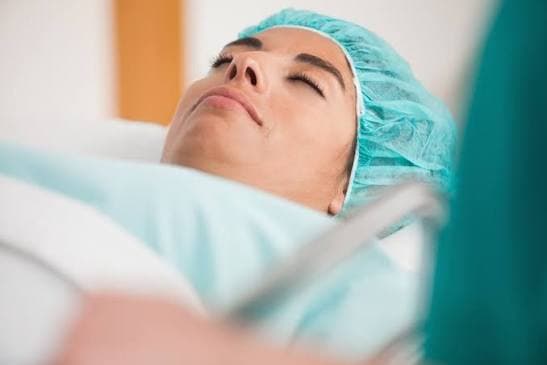
Overview
If you have been told, “You need a laparoscopy for infertility,” your mind may immediately jump to the operation itself.
But for most patients, the actual surgery is only one part of the experience.
There is the night before. The fasting. The hospital admission. Changing into a gown. Waiting. Meeting the anaesthetist. Wondering whether you will need to remove your underwear. Wondering when you can drink water again. Wondering what you will feel when you wake up. And then there is the very practical question:
“What should I actually keep ready at home?”
These details may sound small, but knowing them beforehand can make the day much less stressful.
A Few Days Before Laparoscopy: Start Preparing at Home
Unless your surgeon gives you different instructions, there is usually no special “infertility diet” required before a routine laparoscopy.
What is worth doing is practical preparation.
Arrange your transport
You should plan for someone to take you home after the operation. After general anaesthesia, you should not drive yourself home, and many hospitals recommend having a responsible adult stay with you for the first night.
Don't make this a last-minute decision.
Keep your medicines ready
Make a list of everything you take—including prescription medicines, supplements and occasional medicines.
Bring medicines in their original packaging if your hospital asks you to. Your surgical team may tell you to continue, pause or change certain medicines before surgery. Do not stop blood thinners or other regular medicines on your own.
Prepare your home
For the first couple of days, make life boring and easy.
Keep ready:
- Simple meals
- Drinking water
- Prescribed or recommended pain medicines
- Sanitary pads
- Loose, comfortable clothes
- A thermometer
- Your regular medicines
Having food that requires little cooking can be particularly useful when you are tired after anaesthesia.
What Should You Pack for the Hospital?
You probably do not need a large suitcase.
A small bag is usually enough:
- Hospital documents and admission papers
- Previous scans and fertility reports
- Current medication list
- ID and insurance documents, if required
- Phone and charger
- Comfortable loose clothing
- Slippers
- Basic toiletries
- Sanitary pads
- Spectacles, if you normally wear contact lenses
- A small amount of money/card
Avoid taking valuable jewellery or unnecessary valuables. Hospitals commonly advise removing jewellery before surgery.
One small but useful tip: keep your phone charger somewhere easily accessible rather than buried at the bottom of your bag.
The Night Before: The Most Important Instruction Is Fasting
Your hospital will give you specific instructions about when to stop eating and drinking.
Follow your hospital's instructions rather than copying someone else's fasting schedule from the internet.
Fasting is important because general anaesthesia can increase the risk of stomach contents entering the lungs if you have food or liquid in your stomach. Hospitals therefore give specific cut-off times for food and fluids.
Also ask specifically about:
- Tea and coffee
- Milk
- Medicines
- Water
- Chewing gum
- Lozenges
Don't assume that “just one sip” or chewing gum is harmless. Some hospitals specifically instruct patients not to chew gum on the day of surgery.
Shower Before You Go
Many hospitals recommend having a shower or bath before coming in and arriving in clean clothes.
On the morning of surgery, avoid putting on:
- Makeup
- Nail polish or artificial nails
- Body lotion or heavy creams
Nail products can interfere with monitoring equipment, while removing makeup and creams helps keep the surgical environment clean.
And yes—remove your jewellery, including rings, necklaces, bracelets and earrings unless your hospital specifically tells you otherwise.
What Happens When You Reach the Hospital?
This is the part many first-time surgical patients don't expect:
You usually don't go straight from reception to the operating room.
There may be several steps.
1. Admission
A nurse will confirm your identity, procedure and medical details.
You may have your:
- Blood pressure checked
- Pulse checked
- Temperature checked
- Weight recorded
- Medical history reviewed
2. Changing Clothes
You will usually change into a hospital gown.
Depending on hospital policy, you may also receive compression stockings to help reduce the risk of blood clots.
3. Medication Review
Tell the team about everything you have taken, including medicines taken that morning.
Don't worry about repeating yourself. This is exactly the information they need.
4. Pregnancy Considerations
Because this is fertility surgery, the team needs to know whether there is any possibility of pregnancy.
Depending on the timing and hospital protocol, a pregnancy test may be performed.
If there is any possibility you could be pregnant, tell the team before surgery.
You May Spend More Time Waiting Than You Expect
This is completely normal.
You may already be dressed, have your IV line placed and have spoken to the doctors—and still spend some time waiting.
Emergency cases can change operating-room schedules, and your surgical team may also need to complete other procedures first.
So bring something simple to occupy yourself, such as headphones or a book.
Don't interpret waiting as a sign that something has gone wrong.
Meeting the Surgeon Before Surgery
You should have an opportunity to discuss the procedure and ask questions before consent is finalised.
For infertility laparoscopy, this is a particularly useful moment to clarify:
- Will the tubes be tested with dye?
- Are you looking specifically for endometriosis?
- If endometriosis or adhesions are found, will they be treated?
- Could the procedure become more extensive than a diagnostic laparoscopy?
- What happens if everything looks normal?
- When will you receive the findings?
Laparoscopy can sometimes diagnose and treat pelvic conditions during the same operation, depending on the findings and what has been consented to.
Meeting the Anaesthetist
The anaesthetist will usually ask about your medical history, allergies, previous experiences with anaesthesia and medications.
Tell them if you have previously experienced:
- Severe nausea after anaesthesia
- Difficulty with anaesthesia
- Loose teeth or dental problems
- Medication allergies
- Significant medical conditions
You can also tell them if you are particularly anxious about nausea, pain or waking up after anaesthesia.
You don't have to pretend you aren't nervous.
Going to the Operating Room
Eventually, a member of the hospital team will take you to the operating theatre.
You may see a number of unfamiliar people there. They are part of the surgical and anaesthesia team.
Monitoring equipment will be attached, and the anaesthetic will be administered.
You will then be asleep for the procedure.
What You May Notice When You Wake Up
The first thing you may notice is that you feel sleepy, confused or unusually tired.
You may also have:
- Mild abdominal pain
- Bloating
- Nausea
- A dry or sore throat
- Shoulder-tip pain
That shoulder pain can surprise patients.
It is commonly related to the gas used to inflate the abdomen during laparoscopy and can occur even though the surgery was performed in the pelvis.
You may also have a small amount of vaginal bleeding or discharge after gynaecological laparoscopy.
Before You Go Home
Don't rush out simply because you are awake.
The team will usually make sure you are sufficiently recovered from anaesthesia, able to drink as appropriate and that your pain and other symptoms are adequately controlled.
Before leaving, make sure you know:
What exactly did they find?
Also ask:
- Were my tubes open?
- Was endometriosis found?
- Were adhesions present?
- Was anything treated?
- Were there any unexpected findings?
- When will I receive the detailed report?
- When can I have intercourse?
- When can I start trying for pregnancy?
- When is my follow-up appointment?
If you are too sleepy to remember everything, ask your accompanying person to listen and take notes.
The First Night at Home
This is why arranging someone to stay with you is useful.
You may feel more tired than expected. Anaesthesia can temporarily affect alertness and judgement, so hospitals commonly advise avoiding driving and other activities requiring coordination for at least the first 24 hours.
Keep the evening simple:
eat lightly if you feel like eating, drink according to your discharge instructions, take prescribed medication, rest and walk gently when advised.
Don't plan work, shopping, cooking a complicated meal or an important social event for that evening.
One Last Thing Patients Often Don't Realise
The biggest emotional part of infertility laparoscopy may not be the surgery.
It may be waiting for the answer.
You may go into surgery hoping for one clear explanation—“They will find the problem, fix it and everything will be fine.”
Sometimes a problem is found and treated.
Sometimes the pelvis looks normal.
Sometimes the findings change the fertility plan.
And sometimes the laparoscopy answers one question but leaves other causes of infertility still needing evaluation.
That is why it helps to think of laparoscopy not as a guarantee of pregnancy, but as one step in understanding your fertility and deciding what comes next.
The Bottom Line
Preparing for infertility laparoscopy is not just about fasting and reaching the hospital on time.
Prepare your body, your home, your transport, your medicines, your questions and your expectations.
Pack light. Remove jewellery and makeup. Follow the fasting instructions exactly. Tell the anaesthetist about your medicines and previous anaesthesia experiences. Arrange someone to take you home and ideally stay with you the first night.
And before you leave the hospital, make sure you understand what was found and what that finding means for your next fertility step.
Medical Disclaimer: This article is for general educational purposes and does not replace personalised instructions from your surgeon, anaesthetist or fertility specialist. Hospital protocols differ, particularly regarding fasting, medications, bowel preparation, bathing, driving and return to activity. Always follow the instructions provided by your own surgical team.


Comments (0)