
Overview
Understanding Laparoscopy for Infertility
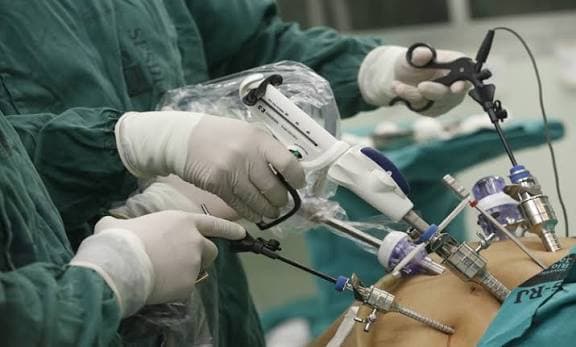
If you're facing infertility, the suggestion of a laparoscopy can feel like a significant step. Beyond blood tests, ultrasounds, and ovulation tracking, laparoscopy involves anesthesia, surgery, and recovery. It's important to know that laparoscopy is more than just a "camera test." It offers a direct view of the pelvis and can diagnose and sometimes treat conditions like endometriosis, adhesions, or tubal abnormalities during the same procedure.
When Laparoscopy is Recommended for Infertility
Laparoscopy isn't typically the first step in infertility testing. Evaluations usually start with less invasive methods, such as assessing ovulation, ovarian reserve, the reproductive tract, and semen analysis for the male partner. Imaging like an HSG may check for open fallopian tubes. Laparoscopy may be considered when there's a suspicion of:
- Endometriosis
- Pelvic adhesions
- Previous pelvic infection
- Tubal disease
- Certain pelvic abnormalities
- Severe menstrual pain or other symptoms suggesting pelvic pathology
While laparoscopy can identify peritoneal factors like endometriosis and adhesions, it's generally not recommended for unexplained infertility without other specific indications.
Key Questions to Ask Before Laparoscopy
Before consenting to surgery, have a thorough discussion with your doctor. Consider asking:
1. What specifically are you looking for?
The purpose of "laparoscopy for infertility" can vary. Clarify if the main concern is endometriosis, blocked tubes, adhesions, ovarian pathology, or something else based on your history.
2. Will my tubes be tested?
In many fertility laparoscopies, dye is used to check if the fallopian tubes are open (chromopertubation). Understanding this helps you interpret the post-surgery information.
3. Can findings like endometriosis or adhesions be treated during the procedure?
Depending on the severity and location, the surgeon might be able to treat issues during the operation. This depends on the findings and your prior consent.
4. What if nothing abnormal is found?
A normal laparoscopy means visible structural or pelvic issues weren't identified. Infertility can stem from factors like ovulation, sperm quality, ovarian reserve, or age-related decline, which laparoscopy cannot diagnose.
What to Expect During the Procedure
Laparoscopy is usually performed under general anesthesia. A small incision is made, typically near the belly button, and the abdomen is inflated with gas to allow the surgeon to visualize the pelvic organs via a camera. Additional small incisions may be necessary if treatment is required. The procedure may take longer if both diagnosis and treatment are performed.
Common Post-Laparoscopy Symptoms
Many patients experience shoulder pain after laparoscopy, which is often due to the gas used to inflate the abdomen. Other temporary symptoms can include:
- Abdominal bloating
- Mild abdominal pain or cramping
- Tiredness
- Nausea
- Sore throat from the anesthesia tube
- Bruising around the incision sites
Understanding Recovery After Laparoscopy
While often called "keyhole surgery," your body has still undergone a surgical procedure and anesthesia. Many diagnostic laparoscopies are day cases, but recovery varies, especially if treatment was involved. Plan for rest and arrange for someone to drive you home, as you should not drive immediately after anesthesia. More extensive surgery may require a longer recovery period.
Fertility Prospects After Laparoscopy
It's crucial to understand that laparoscopy is not a guarantee of pregnancy. If conditions like endometriosis, adhesions, or tubal disease are treated, your doctor will assess the likelihood of success for your specific situation. The next steps might involve trying naturally, ovulation induction, IUI, or IVF, based on your overall fertility profile, which includes age, ovarian reserve, ovulation, sperm health, tubal function, and the duration of infertility.
When Fallopian Tubes Are Blocked
If laparoscopy reveals blocked tubes, understanding the specifics is vital. Your doctor should explain:
- Whether one or both tubes are affected
- The apparent location of the blockage
- The overall health of the tube
- If surgery could be beneficial
- Whether IVF might be a more suitable option
Don't leave without a clear understanding of the findings and their implications for your fertility plan.
When to Seek Medical Attention After Surgery
Contact your healthcare team if you experience any of the following symptoms:
- Increasing or severe abdominal pain
- Fever
- Persistent vomiting
- Increasing redness, swelling, or discharge from a wound
- Heavy bleeding
- Difficulty breathing
- Feeling increasingly unwell instead of gradually improving
Your surgical team will provide specific discharge instructions tailored to your procedure.
7 Essential Questions Before Your Laparoscopy
Prepare these questions for your consultation:
- Why do you recommend laparoscopy in my case?
- What are you specifically looking for?
- Will you perform a dye test to check my tubes?
- If you find endometriosis or adhesions, can they be treated during the same procedure?
- What are the possible findings, and what would each mean for fertility treatment?
- How long should I expect to take off work?
- After the laparoscopy, when can we start trying for pregnancy or proceed with fertility treatment?
The answer to the last question may depend on whether the procedure was diagnostic or involved additional surgery.
The Takeaway on Fertility Laparoscopy
Laparoscopy offers valuable insights into conditions like endometriosis, adhesions, or pelvic/tubal disease that other tests cannot provide. It should be a purposeful step in your infertility evaluation. The most effective preparation involves gathering your questions. Understand what your doctor aims to find, whether your tubes will be tested, potential treatments during the procedure, recovery expectations, and, most importantly, how different findings will shape your next fertility steps. This informed conversation can transform the experience from simply "having surgery" to "understanding the diagnostic goal and subsequent plan."
Medical Disclaimer: This article is for general educational purposes and does not replace personalized medical advice. The decision to undergo laparoscopy should be based on your medical history, fertility evaluation, symptoms, examination, and discussion with your treating gynecologist or fertility specialist.


Comments (0)