Osteoporosis Pathophysiology: A Comprehensive Overview
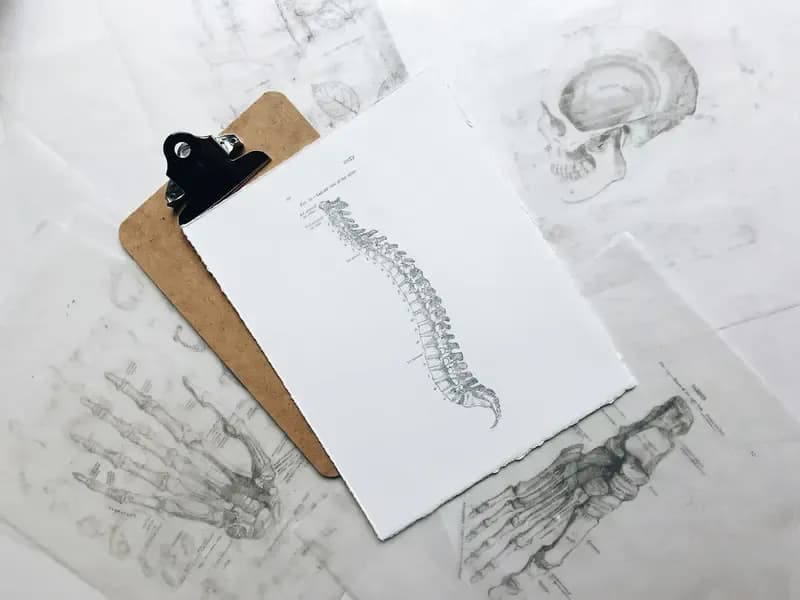
Osteoporosis is a debilitating condition characterized by weakened bones, making them fragile and more susceptible to fractures.

Menopause Management covers perimenopause, the menopausal transition, hot flashes, sleep changes, mood, bone and cardiovascular health after estrogen falls, and hormone therapy decisions. Our doctors and editorial team explain what is normal, what is treatable, and how Indian women can approach this stage informed and supported rather than dismissed.
Last reviewed: 10 August 2026
Osteoporosis is a debilitating condition characterized by weakened bones, making them fragile and more susceptible to fractures.
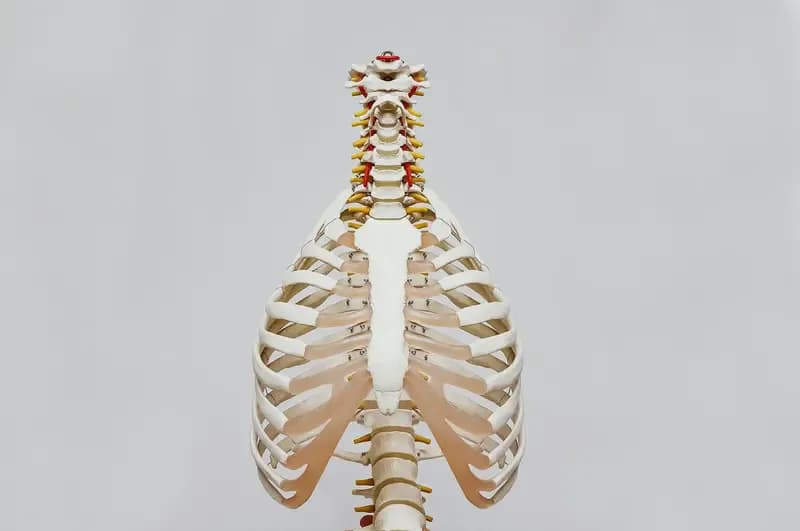
Osteoporosis is a common condition characterized by weakened bones, making them more prone to fractures and breaks.
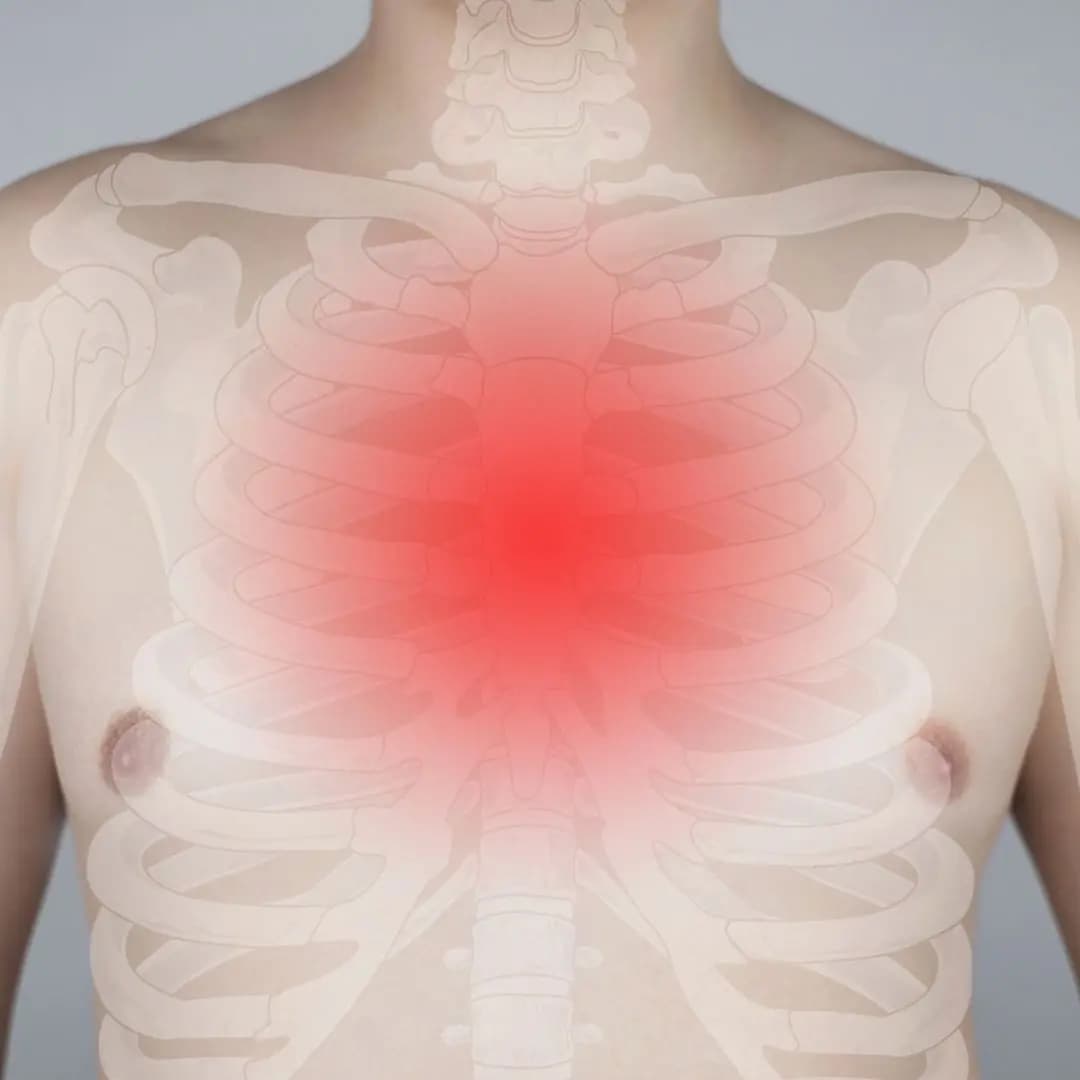
Osteomalacia and osteoporosis are both bone disorders that affect bone density and strength, but they have distinct differences in their causes, symptoms, and treatment approaches.
Expert answers from our medical team
Average age is 47-51, though the range is wide. Perimenopause (the transition) usually starts in the 40s with cycle changes. Menopause is technically defined as 12 months without periods. Premature menopause (before 40) needs investigation. The exact age depends on genetics, health, and lifestyle factors. Talk to your doctor if periods stop before 40 or after 55.
Hot flushes, night sweats, sleep disruption, mood changes, irritability, fatigue, difficulty concentrating, vaginal dryness, decreased libido, joint aches, weight changes (especially around the middle), and — over time — accelerated bone loss and shifting cardiovascular risk. Not everyone experiences all symptoms; severity varies widely. Symptoms may last a few years or well over a decade.
Non-medical: identify triggers (spicy food, hot drinks, stress), layer clothing, keep bedroom cool, cotton bedding, fan by the bed. Cognitive behavioural therapy has evidence for reducing bother. Weight loss helps some women. Medical: HRT is most effective; non-hormonal options include specific antidepressants (SSRIs, SNRIs), gabapentin, and — newer — non-hormonal specific medications. Discuss with a menopause-experienced doctor.
Not directly — the risk shift is more about ageing than menopause itself. However, changes in hormones influence some cancer risks: breast cancer risk continues to rise with age, endometrial cancer risk relates to unopposed oestrogen exposure, and ovarian cancer risk rises modestly. Regular screening (mammography, cervical, colon) becomes especially important through and after menopause.
Oestrogen protects bones and cardiovascular system during reproductive years. After menopause, bone loss accelerates (bone density can drop 20% in first 5-7 years post-menopause) and cardiovascular risk rises. Weight-bearing exercise, calcium and vitamin D, and BP/lipid monitoring become priorities. Bone density testing (DEXA) from 60-65, earlier for higher-risk women. Heart disease is a bigger long-term threat to menopausal women than most realise.
Questions from our community members
Ask our medical community. Your question may help others with similar concerns.
Verified specialists across India