COPD Nursing Care Plan: 4 Key Steps for Patient Recovery
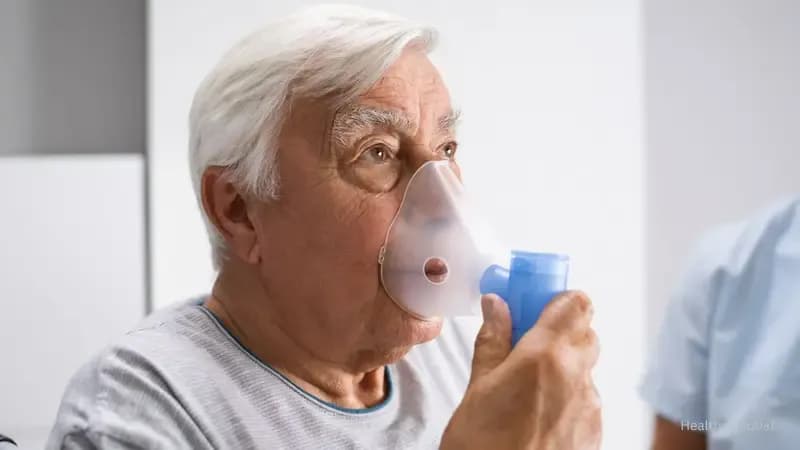
Chronic Obstructive Pulmonary Disease (COPD) is a chronic inflammatory lung disease that causes obstructed airflow from the lungs.

Smoking Cessation covers the medical approaches that actually work — nicotine replacement, varenicline, bupropion, behavioral support — versus the willpower-only approach that mostly does not. Our doctors and editorial team explain what evidence supports, how to handle relapse, and the specific India-context challenges of smoking (gutka, bidi, hookah) and quitting them.
Last reviewed: 10 August 2026
Expert answers from our medical team
The most successful approach combines behavioural support (counselling, quit apps, quit-lines) with medication (nicotine replacement — patches, gum, lozenges; or prescription drugs like varenicline or bupropion). India's national tobacco quit-line (1800-11-2356) is free. Willpower alone has under 5% quit rates; combined approaches reach 25-30% one-year quit rates. Multiple attempts are normal — each attempt increases eventual success.
For existing smokers who can't quit with proven methods, switching to vaping is likely less harmful than continuing cigarettes — but not harmless. Vapes are addictive, and long-term effects are still being studied. India has banned e-cigarettes, limiting availability. Better path: use approved nicotine replacement (patches, gum) plus counselling. Don't take up vaping if you don't already smoke.
Fast. Within 20 minutes: heart rate drops. Within 24 hours: carbon monoxide levels normalise. 2 weeks-3 months: circulation and lung function improve, exercise gets easier. 1 year: heart disease risk drops significantly. 5-10 years: lung cancer risk falls to about half a smoker's. 15 years: heart disease risk approaches non-smoker. Every day quit adds up.
Many people gain 3-5 kg on average — nicotine suppresses appetite and mildly raises metabolism. Some gain more. The health benefit of quitting vastly exceeds the harm from moderate weight gain — this shouldn't stop you quitting. Prepare with a plan: healthier snacks handy, regular activity during the quit window, and staying hydrated. Weight gain slows and often reverses over 6-12 months.
Neither is easier; both are strongly addictive. Chewing tobacco (gutka, khaini, zarda, paan with tobacco) is often more addictive per exposure because delivery is prolonged. Same evidence-based approach applies — behavioural support plus nicotine replacement or medication. India has particularly high oral cancer rates from chewing tobacco; quitting reduces risk substantially, especially in the first 5-10 years.
Questions from our community members
Ask our medical community. Your question may help others with similar concerns.
Verified specialists across India