ब्रेन स्ट्रोक में नजर आते हैं ये लक्षण
डॉ. जन्मेजय जामदार, न्यूरोसर्जन, ब्रेन स्ट्रोक के लक्षणों के बारे में जानकारी देते हुए।

Stroke is a brain emergency. Every minute a stroke goes untreated, roughly 2 million brain cells die. In India, stroke kills about 600,000 people each year and leaves many more with permanent disability — yet most patients arrive at hospital hours after symptoms begin, far outside the treatment window. The reason: poor public awareness of stroke signs and a tendency to try home remedies first. The BE FAST acronym captures the key signs — Balance loss, Eye vision change, Face drooping, Arm weakness, Speech slurring, Time to call an ambulance. Ischemic stroke (caused by a clot) accounts for 85% of cases and is treatable with clot-busting medication within 4.5 hours. The other 15% are haemorrhagic. Both need immediate hospital care.
Last reviewed: 11 August 2026
डॉ. जन्मेजय जामदार, न्यूरोसर्जन, ब्रेन स्ट्रोक के लक्षणों के बारे में जानकारी देते हुए।
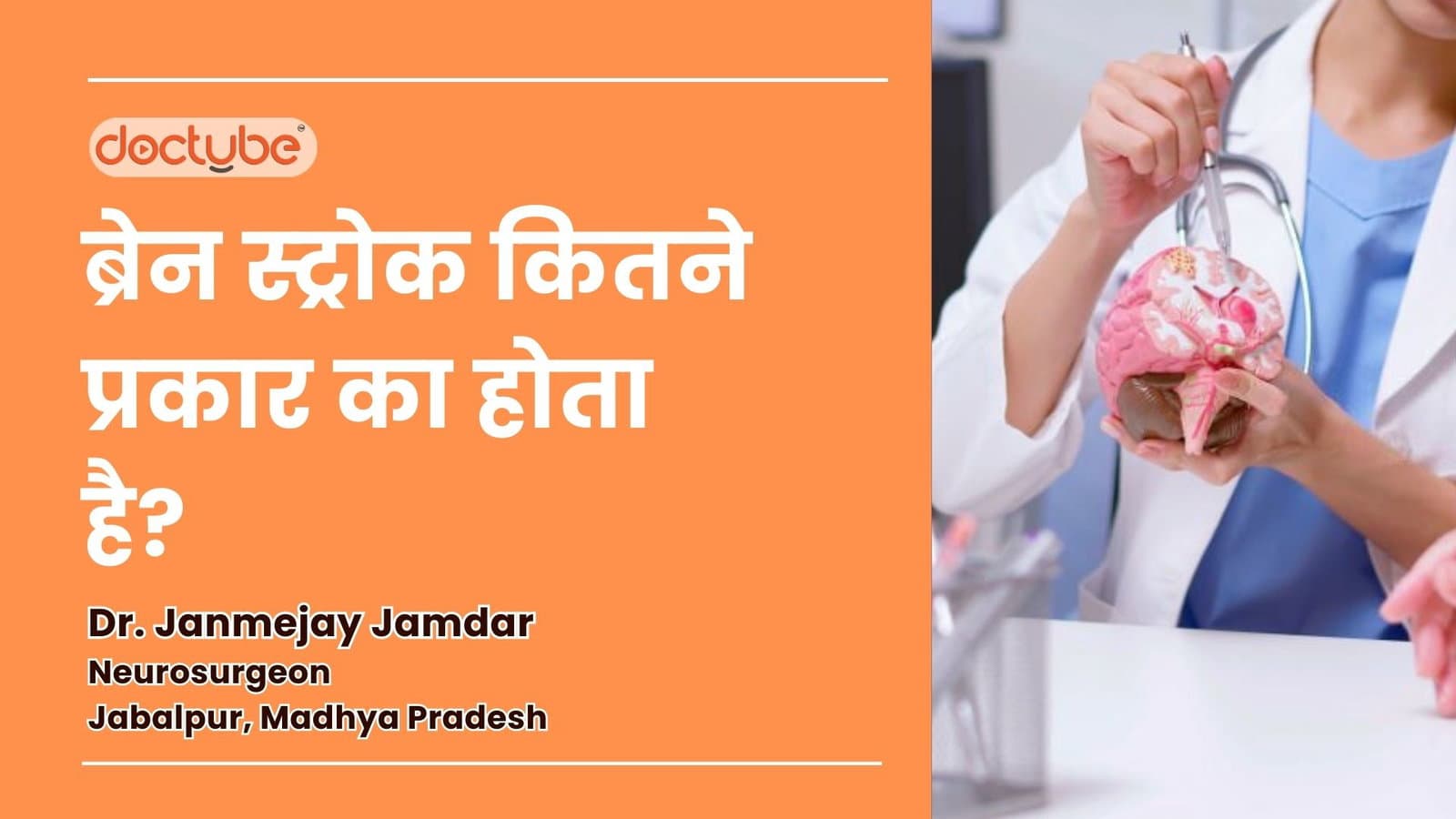
ब्रेन स्ट्रोक 2 प्रकार का होता है। अगर मस्तिष्क के किसी हिस्से में खून की कमी हो जाती है, तो वो हिस्सा डैमेज हो जाता है। ऐसे में व्यक्ति को ब्रेन स्ट्रोक होने की आशंका बनी रहती है। वहीं कई बार खून की धमनी फट जाने से भी खून का रिसाव शुरू हो जाता है और उसके आसपास का हिस्सा डैमेज हो जाता है। इससे भी व्यक्ति को ब्रेन स्ट्रोक हो सकता है। इस तरह ब्रेन स्ट्रोक के 2 प्रकार होते हैं और इसी के आधार पर मरीजों में लक्षण नजर आते हैं। डॉ. जन्मेजय जामदार, न्यूरोसर्जन, ब्रेन स्ट्रोक के प्रकार के बारे में बताते हुए।
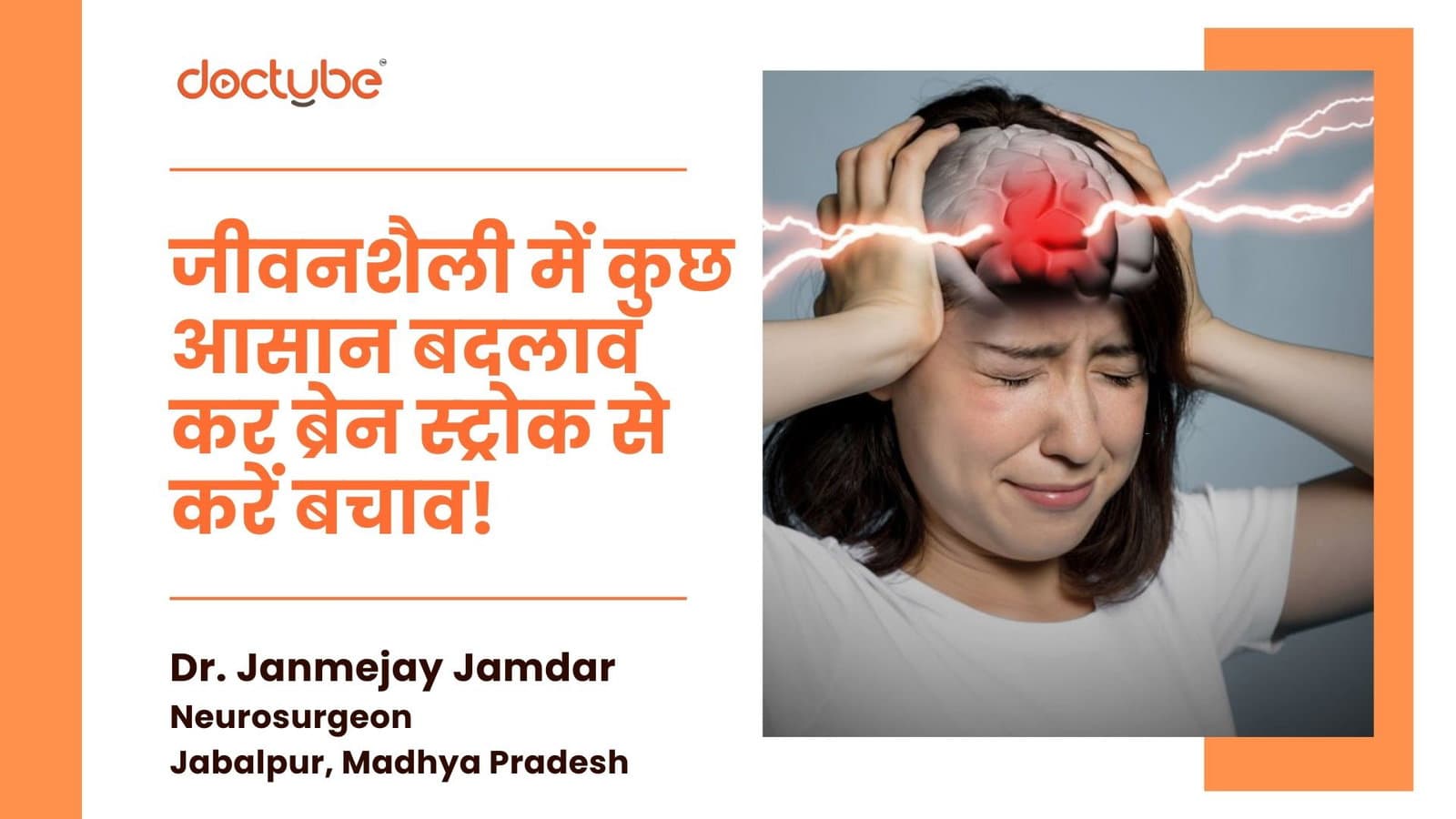
ब्रेन स्ट्रोक से बचाव के लिए हेल्दी लाइफस्टाइल अपनाएं। अगर किसी को शुगर, बीपी या थाइरॉइड की शिकायत है तो उसे कंट्रोल करें। इससे ब्रेन स्ट्रोक की संभावना काफी हद तक कम हो जाती है। हर रोज ब्रिस्क वॉक करें और पोषण युक्त खाने का सेवन करें। आजकल लोग बाहर का खाना ज्यादा पसंद करते हैं। इस खाने में चर्बी, शुगर व हानिकारक तत्व मौजूद होते हैं जो व्यक्ति को नुकसान पहुँचा सकते हैं। इसीलिए बाहर के खाने से परहेज करें। इसके साथ ही धूम्रपान और शराब का सेवन भी ना करें। डॉ. जन्मेजय जामदार, न्यूरोसर्जन, ब्रेन स्ट्रोक से बचाव के लिए जीवनशैली में कुछ आवश्यक बदलाव करने की सलाह देते हुए।
Expert answers from our medical team
BE FAST stands for: Balance — sudden loss of balance or coordination. Eyes — sudden blurred or double vision, or loss of vision in one eye. Face — ask the person to smile; one side drooping or numb. Arms — ask them to raise both arms; one drifts downward or is weak. Speech — slurred, garbled, or unable to speak or understand. Time — if any one of these signs is present, call an ambulance immediately and note the exact time symptoms started. Do not give water, food, or medication. Do not drive to a small nursing home — go directly to the nearest hospital with a CT scanner and neurologist. Every minute of delay is irreversible brain loss.
For ischemic stroke (clot): intravenous tPA (clot-buster) can be given up to 4.5 hours from symptom onset — earlier is always better. For large vessel occlusions, mechanical thrombectomy (catheter-based clot removal) can be performed up to 24 hours in carefully selected patients — this procedure is now available at major Indian stroke centres. For haemorrhagic stroke (bleed): no clot-buster — treatment focuses on controlling blood pressure, reversing any blood thinners, and sometimes surgical drainage. Both types need CT scan to distinguish them before any treatment — which is why going directly to a well-equipped hospital matters. A nursing home without a CT scanner cannot begin treatment.
It depends on which brain area was affected, how much tissue was lost, and how quickly treatment was given. Some patients recover completely, particularly those with small strokes treated rapidly. Rehabilitation — physiotherapy for movement, speech therapy for language and swallowing, occupational therapy for daily activities — is the cornerstone of recovery and should begin within 24-48 hours of stabilisation. The brain has significant plasticity, especially in the first 3-6 months — this is the window of fastest improvement. Recovery continues more slowly for 1-2 years. Family involvement in rehab, home-based exercises, and maintaining motivation through a long process significantly affect outcomes.
A transient ischaemic attack (TIA) is caused by a brief blockage of a brain artery that resolves within minutes to hours — leaving no permanent damage. The symptoms are identical to stroke (weakness, speech change, vision loss) but resolve completely. A TIA is a serious warning: roughly 10% of TIA patients have a full stroke within 90 days, with the highest risk in the first 48 hours. A TIA is not 'nothing happened' — it is a medical emergency requiring same-day evaluation (brain imaging, ECG, echocardiogram, blood tests) and starting appropriate prevention (antiplatelet or anticoagulant medication, blood pressure and cholesterol control). Never dismiss a temporary neurological episode.
Blood pressure control is the single biggest lever — keeping BP below 130/80 reduces stroke risk by about 40%. Beyond that: treat atrial fibrillation with anticoagulants (AF is a major stroke cause), manage diabetes and high cholesterol, stop tobacco entirely (including gutka and chewing forms), exercise 150 minutes per week, maintain a healthy weight, drink alcohol only moderately. Aspirin is used for secondary prevention (after a stroke or TIA) not routine primary prevention in most people. If you have had a TIA or stroke, statins and antiplatelets or anticoagulants are part of standard prevention — take them consistently. These measures together prevent approximately 80% of strokes.
Questions from our community members
Ask our medical community. Your question may help others with similar concerns.
Verified specialists across India