

Introduction
Well-being impairment refers to the decline in an individual's physical, mental, or emotional health, which can affect overall quality of life. This impairment can stem from various factors, including stress, poor lifestyle choices, chronic illness, and emotional disturbances. Understanding the causes and consequences of well-being impairment is crucial for developing effective strategies to enhance health and overall well-being.
Causes of Well-Being Impairment
Several factors can contribute to the impairment of well-being. Identifying these causes is the first step toward addressing and mitigating their impact.
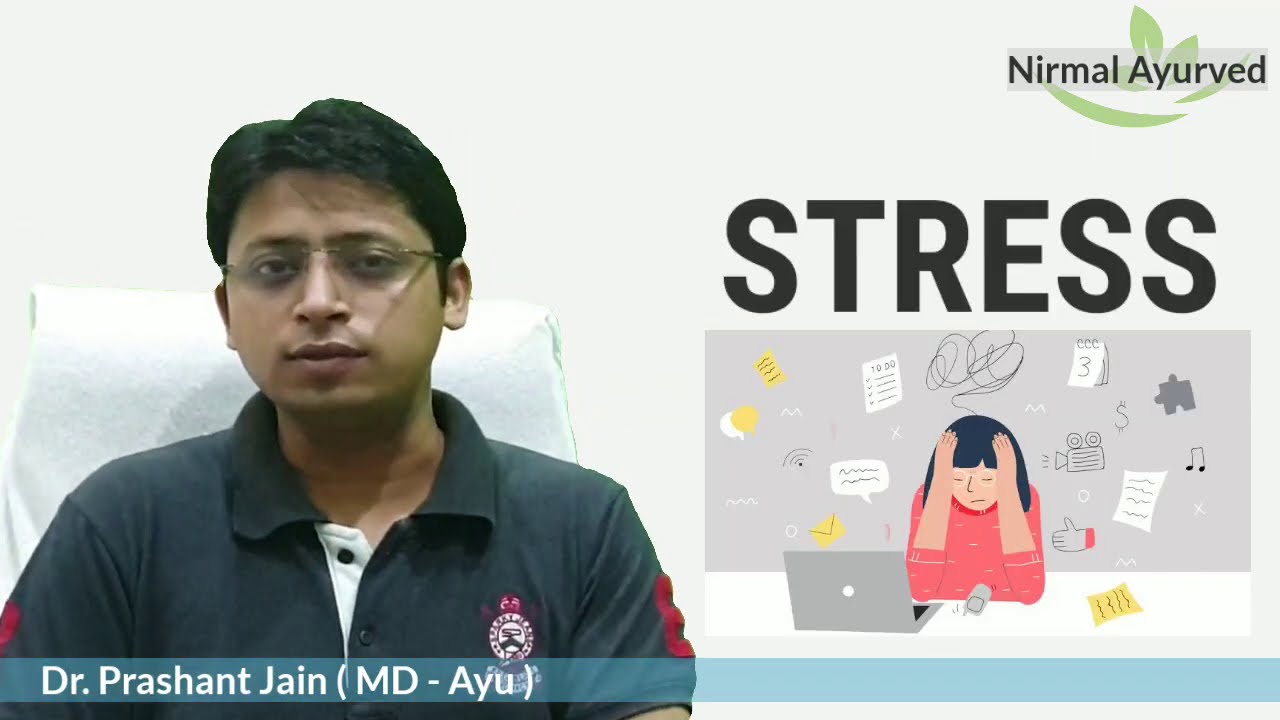
Prolonged stress can lead to various health problems, including anxiety, depression, cardiovascular diseases, and a weakened immune system. Chronic stress often results from work pressures, financial difficulties, and personal relationships.
1. Chronic Stress:
Unhealthy habits such as poor diet, lack of exercise, smoking, and excessive alcohol consumption can significantly impair well-being. These choices can lead to obesity, diabetes, heart disease, and other chronic conditions.
2. Poor Lifestyle Choices:
Insufficient sleep can affect cognitive function, mood, and physical health. Chronic sleep deprivation is linked to increased risk of mental health disorders, weakened immune function, and metabolic issues.
3. Lack of Sleep:
Lack of social interaction and support can lead to feelings of loneliness and depression. Social connections are vital for emotional health and overall well-being.
4. Social Isolation:
Long-term health conditions such as diabetes, hypertension, and arthritis can cause physical discomfort and emotional distress, impacting an individual's quality of life.
5. Chronic Illness:
Consequences of Well-Being Impairment
The impairment of well-being can have wide-ranging effects on an individual's life, affecting both physical and mental health.
Impaired well-being can lead to mental health disorders such as anxiety, depression, and mood swings. These conditions can affect daily functioning, relationships, and overall quality of life.
1. Mental Health Issues:
Poor well-being can result in chronic health conditions, reduced immune function, and increased susceptibility to infections. It can also lead to fatigue, pain, and decreased physical performance.
2. Physical Health Problems:
Individuals experiencing impaired well-being may struggle with concentration, decision-making, and productivity at work or in daily activities.
3. Decreased Productivity:
Well-being impairment can cause emotional disturbances, leading to feelings of hopelessness, frustration, and irritability.
4. Emotional Distress:
Poor well-being can strain personal relationships, leading to misunderstandings, conflicts, and social withdrawal.
5. Impact on Relationships:
Strategies for Improving Well-Being
Improving well-being requires a holistic approach that addresses physical, mental, and emotional health. Implementing effective strategies can help enhance overall well-being and quality of life.
Practicing stress management techniques such as mindfulness, meditation, deep breathing exercises, and yoga can help reduce stress levels. Regular relaxation activities and hobbies can also promote mental relaxation and well-being.
1. Stress Management:
Adopting a balanced diet rich in fruits, vegetables, whole grains, and lean proteins can improve physical health. Regular physical activity, such as walking, swimming, or cycling, can boost mood, energy levels, and overall fitness.
2. Healthy Lifestyle Choices:
Ensuring sufficient sleep (7-9 hours per night) is crucial for cognitive function, emotional stability, and physical health. Establishing a consistent sleep routine and creating a conducive sleep environment can improve sleep quality.
3. Adequate Sleep:
Building and maintaining social connections with family, friends, and community members can enhance emotional well-being. Participating in social activities and seeking support from loved ones can reduce feelings of loneliness and depression.
4. Social Connections:
Seeking professional help from therapists, counselors, or support groups can provide valuable insights and coping strategies for managing mental health issues. Therapy and counseling can help individuals navigate emotional challenges and improve mental well-being.
5. Mental Health Support:
The Role of Physical Activity in Enhancing Well-Being
Regular physical activity is a cornerstone of overall well-being. Engaging in exercise has numerous benefits for both physical and mental health.
Regular exercise helps maintain a healthy weight, reduces the risk of chronic diseases, improves cardiovascular health, and enhances muscle and bone strength. It also boosts the immune system and increases energy levels.
1. Physical Health Benefits:
Physical activity releases endorphins, which are natural mood lifters. Exercise can reduce symptoms of anxiety and depression, improve cognitive function, and enhance overall mental well-being.
2. Mental Health Benefits:
Participating in group sports or fitness classes provides opportunities for social interaction, fostering a sense of community and belonging.
3. Social Interaction:
Nutritional Strategies for Better Well-Being
Nutrition plays a vital role in maintaining and improving well-being. A balanced diet supports physical health, cognitive function, and emotional stability.
Consuming a variety of nutrient-rich foods, including fruits, vegetables, whole grains, lean proteins, and healthy fats, provides essential vitamins and minerals for overall health.
1. Balanced Diet:
Staying hydrated is crucial for maintaining energy levels, cognitive function, and physical performance. Aim to drink at least 8 cups of water daily.
2. Hydration:
Limiting the intake of processed and high-sugar foods can reduce the risk of obesity, diabetes, and other chronic conditions. Focus on whole, unprocessed foods for better health.
3. Avoiding Processed Foods:
The Importance of Mindfulness and Relaxation
Mindfulness and relaxation techniques can significantly enhance mental and emotional well-being. These practices help individuals stay present, reduce stress, and improve overall quality of life.
Practicing mindfulness meditation can help individuals stay focused on the present moment, reduce stress, and enhance emotional regulation. Regular meditation practice can improve mental clarity and resilience.
1. Mindfulness Meditation:
Deep breathing exercises can promote relaxation, reduce anxiety, and improve overall well-being. Techniques such as diaphragmatic breathing and progressive muscle relaxation can be effective.
2. Deep Breathing Exercises:
Engaging in activities that promote relaxation, such as reading, listening to music, gardening, or spending time in nature, can help reduce stress and enhance mental well-being.
3. Relaxation Activities:
Conclusion
The impairment of well-being can significantly impact an individual's physical, mental, and emotional health. Understanding the causes and consequences of well-being impairment is essential for developing effective strategies to improve overall health and quality of life. By adopting healthy lifestyle choices, managing stress, maintaining social connections, and seeking professional support when needed, individuals can enhance their well-being and lead fulfilling lives. Proactive measures and a holistic approach to well-being can help prevent impairment and promote long-term health and happiness. Regular check-ups with healthcare providers and adherence to recommended health practices are crucial for maintaining optimal well-being.









Comments (0)