Understanding Schizophrenia: Symptoms, Causes, and Treatment Options

Understanding Schizophrenia: Symptoms, Causes, and Treatment Options

Overview

Schizophrenia is a complex mental health disorder affecting thoughts, emotions, and behaviors. Learn about its symptoms, causes, treatment options, and the latest research on schizophrenia cure possibilities.

Introduction

Schizophrenia is a severe mental health disorder that affects how a person thinks, feels, and behaves. It is often misunderstood and can lead to significant challenges in daily life. Schizophrenia what is it? It is a condition characterized by symptoms like hallucinations, delusions, disorganized thinking, and social withdrawal. While schizophrenia can be managed with medication and therapy, research continues into whether schizophrenia can be cured.

Schizophrenia: What Is It?

Schizophrenia is a chronic brain disorder that interferes with a person’s perception of reality. It affects thinking, emotions, and behavior, often leading to significant impairment in daily life. The exact cause is unknown, but genetics, brain chemistry, and environmental factors play a role.

Types of Schizophrenia

Schizophrenia types are categorized based on the dominant symptoms. These include:
Characterized by hallucinations and delusions, often involving persecution or conspiracy theories.

Paranoid Schizophrenia

Involves disorganized thinking, speech, and behavior, making daily functioning difficult.

Disorganized Schizophrenia

Causes extreme movement issues, including complete immobility or excessive, erratic movements.

Catatonic Schizophrenia

A mix of symptoms that don’t fit into a single category.

Undifferentiated Schizophrenia

Causes and Risk Factors

The exact cause of schizophrenia remains unknown, but several factors may contribute:
Studies show a genetic link, meaning schizophrenia may run in families. However, having a relative with the disorder does not guarantee its development.

Schizophrenia Gene

Trauma, stress, drug abuse, and viral infections during pregnancy can increase schizophrenia risk.

Environmental Triggers

Abnormalities in neurotransmitters like dopamine and serotonin contribute to symptoms.

Brain Chemistry and Structure

Symptoms of Schizophrenia

Schizophrenia symptoms vary in severity and are divided into positive and negative symptoms:
Positive symptoms include hallucinations, delusions, and disorganized thinking. Negative symptoms include lack of motivation, emotional flatness, and withdrawal from social activities.

Schizophrenia Positive and Negative Symptoms

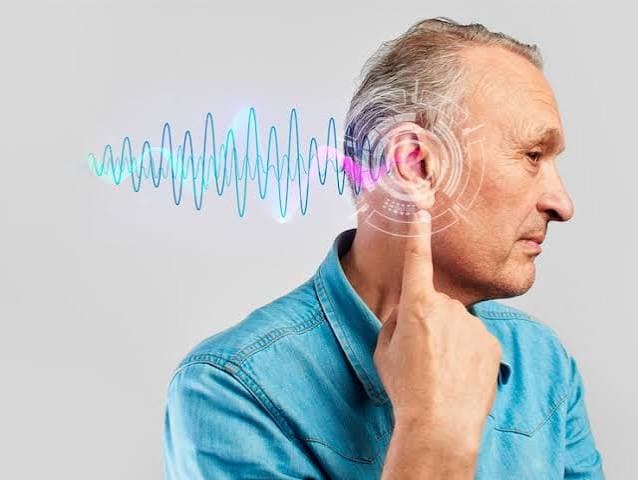
Hearing voices or seeing things that are not real is a common symptom.

Schizophrenia Hallucinations

Memory problems, difficulty concentrating, and trouble following conversations.

Cognitive Symptoms

Schizophrenia Age of Onset and Stages

Schizophrenia typically develops between the late teens and early 30s. The schizophrenia prodrome stage, or early phase, involves subtle changes in behavior and thinking before full symptoms appear.

Diagnosis and Schizophrenia Test

Diagnosing schizophrenia requires medical and psychological evaluations. Doctors may use MRI scans, blood tests, and mental health assessments to rule out other conditions. The schizophrenia ICD 10 classification system helps in diagnosis.

Schizophrenia Treatment Options

Schizophrenia treatment includes a combination of medication and therapy:
Antipsychotic drugs are the most common schizophrenia meds used to control symptoms.

Schizophrenia Medication

Cognitive-behavioral therapy (CBT) helps patients manage thoughts and behaviors.

Psychotherapy

Healthy eating, exercise, and a strong support system improve mental health outcomes.

Lifestyle and Support

Schizophrenia Can Be Cured? Latest Research

There is no known schizophrenia cure yet, but ongoing research explores potential treatments. Advances in genetics, brain imaging, and new medications offer hope for better management and long-term improvement.

Conclusion

Schizophrenia is a complex mental health condition requiring lifelong management. While it cannot be cured, medication and therapy can help individuals lead fulfilling lives. Understanding symptoms, early diagnosis, and proper treatment are essential for improving outcomes.

About Zocvi

Zocvi connects patients with verified doctors and evidence-based health guidance. Visit zocvi.com or reach us on WhatsApp at +91-92724-57637.


Follow Zocvi

Stay connected with Zocvi for expert health advice. Follow us on Facebook, LinkedIn, and Instagram.

Frequently Asked Questions

Can schizophrenia be cured?

No — there is no complete cure, but it can be effectively managed. With consistent antipsychotic medication, therapy, and social support, most people achieve substantial symptom control and functional recovery. Roughly a third have long stretches of near-normal life; another third manage well with ongoing care. Early diagnosis, staying on medication, and avoiding substance use are the strongest predictors of good outcome.

At what age does schizophrenia usually start?

Symptoms typically appear between the late teens and early 30s — earlier in men (18–25) than women (25–35). A subtle prodrome phase — withdrawal, unusual beliefs, dropping performance — often precedes the first acute episode by months. Onset before age 15 or after age 40 is uncommon and warrants ruling out other causes.

What is the difference between positive and negative symptoms?

Positive symptoms add abnormal experiences — hallucinations (usually hearing voices), delusions, and disorganised thinking. Negative symptoms subtract normal functioning — flat emotion, reduced speech, low motivation, and social withdrawal. Antipsychotics work well on positive symptoms; negative symptoms are harder to treat and often cause the greatest long-term disability.

How is schizophrenia diagnosed?

A psychiatrist confirms schizophrenia when core symptoms persist for at least a month and functional impairment lasts at least six months. There is no single test — the process rules out medical causes (thyroid, drug-induced psychosis, brain injury) through blood work and often imaging, then relies on a detailed history and mental state examination. Family history and prodrome timing help confirm the diagnosis.

Questions About This Article

Have a question? Ask the author directly.

Have a question about this article?

Ask Zocvi Editorial directly. Your question may help others with similar concerns.

Q:1 answer
Q:1 answer
Q:1 answer
Q:1 answer

Comments (1)

Found this helpful? Share it!

LinkedInWhatsApp

More from Zocvi Editorial

Other Articles You May Like

Dr. Suruchi Mandrekar

Diabetologist • 30 yrs • Pune

82 views

Understanding Fatigue | Dr. Suruchi

Understanding Fatigue | Dr. Suruchi

Dr. Suruchi Mandrekar, Consultant - Internal Medicine, Manipal Hospital Baner, Pune, explains fatigue by sharing its signs and causes in this informative video. Watch the complete video to learn the ways to overcome fatigue and when to visit a specialist. Visit Our Hospital Website: https://www.manipalhospitals.com/baner/ Visit Our Doctors: https://www.manipalhospitals.com/bane... Contact us @ https://www.manipalhospitals.com/bane...

1 like
Dr. Prashant Jain

Ayurvedic Doctor • 12 yrs • Delhi

48 views

Holistic Wellness for a Balanced Life

Nirmal Ayurved

Unlock the secrets to a healthier, happier you with NIRMAL AYURVED! 🌿✨ Discover the power of Stress Busters, Balanced Nutrition, Mental Health Care, Supportive Relationships, Mindfulness Practices, Physical Activity, and Quality Sleep. Our holistic approach to well-being encompasses all aspects of your life, empowering you to find harmony and inner peace. Embrace the journey to a balanced and fulfilled life with NIRMAL AYURVED. #HolisticWellness #NIRMALAYURVED #FindYourBalance 

Related Topics

Find a Doctor for Depression & Anxiety

Verified specialists across India

Dr. Anil Kumar Yadav

Psychiatrist

19 yrs

Bilaspur

Apollo Multi Speciality Hospital
CHOWK LINK, Bilaspur, Chhattisgarh, 495001
₹700 consultation

Dr. Anuj Khandelwal

Psychiatrist

9 yrs

Kota

Kota Heart Institute And General Hospital
Dadabari, Kota, Rajasthan, 324005
₹300 consultation

Dr. Vishal Bhatt

Psychiatrist

7 yrs

Rajkot

Saket Hospital
Jala Ram Nagar, Rajkot, Gujarat, 360005
₹400 consultation

Dr. Manu N A

Psychiatrist

13 yrs

Thrissur

my mind
Puzhakkal, Thrissur, Kerala, 680002
₹500 consultation