Ayurvedic Treatment for Hair Fall – Effective Tips

Ayurvedic treatment for hair fall offers natural remedies that promote hair health and reduce hair loss, leveraging the principles of Ayurveda.

Hair Loss & Skin Care covers male pattern baldness, alopecia, acne, eczema, and the daily skin care that protects against sun and pollution damage common in Indian cities. Our dermatologists and editorial team explain what evidence-based treatments achieve, what is over-marketed, and how to build a sustainable routine that protects your skin and hair through the decades.
Last reviewed: 10 August 2026
Ayurvedic treatment for hair fall offers natural remedies that promote hair health and reduce hair loss, leveraging the principles of Ayurveda.

Dr. Tanuja Tamhankar - Consultant Dermatology live from Pune to discuss a critical topic On role of Hair Fall Management.Dr. Tanuja Tamhankar is talking abou...
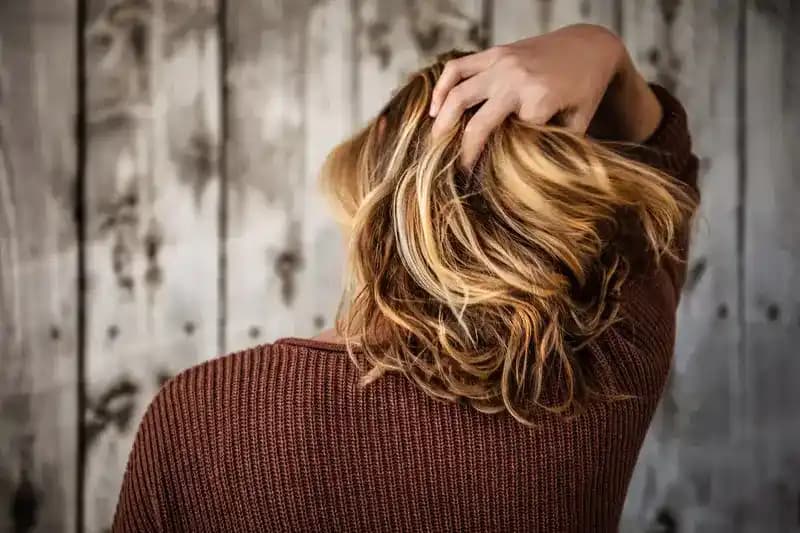
Achieving shiny hair quickly involves a combination of proper washing, conditioning, and styling techniques.

Understanding the importance of skin care in the aging process is vital. Our skin, as the most visible indicator of age, requires special attention to maintain its health and appearance.

In this video, the doctor explains:• What true skin glow means• Importance of cleansing and moisturizing• Why sunscreen is essential• Role of diet and hydration• Common skincare mistakes to avoid

We sat down with the experts to get the real tea on sun safety, and the truth might sting more than a sunburn. If you aren't reapplying every 3–4 hours, your skin is likely losing its shield against DNA damage and long-term risks like skin cancer. Don't wait for a diagnosis to start taking your skin health seriously. Prevention is your best skincare routine.
Expert answers from our medical team
Not fully preventable if it runs in the family — genetics is the main driver. But early treatment can slow it significantly. Minoxidil (topical) and finasteride (oral) are the most evidence-based treatments. Both need to be started early and continued long-term to maintain results. Hair transplants are a good option for established loss but expensive. Beware of unproven treatments, herbal 'cures', and dubious clinics.
Acne (which continues into adulthood for many), dandruff and seborrheic dermatitis, fungal infections (especially in the groin and feet — tinea is very common), post-inflammatory pigmentation, and — with age — actinic damage from years of sun exposure. Fungal infections are often mistreated with steroid creams, making them worse; see a dermatologist for persistent 'ringworm' or itch.
Yes — UV exposure is high year-round in most of India, and long-term exposure causes premature ageing, pigmentation, and skin cancer. A daily SPF 30+ sunscreen on face, neck, and hands (broad-spectrum, non-comedogenic for oily skin) prevents most of this. Reapply every 3-4 hours if outdoors extensively. Sun protection is prevention, not vanity — dermatologists recommend it universally.
Acne after teenage years often has different drivers — hormones, stress, dietary factors, or lifestyle. Basics: gentle cleanser twice a day, non-comedogenic moisturiser, sunscreen, and — for active acne — a dermatologist-prescribed treatment (topical retinoids, benzoyl peroxide, or oral options for severe cases). Popping pimples worsens scarring. Diet effects are individual — some notice dairy or high-glycemic foods worsen breakouts.
Persistent acne, hair loss, unusual moles or skin changes, chronic itch, recurrent fungal infections, or any skin condition not clearing in 4-6 weeks with basic care deserves a dermatologist. Over-the-counter products help with mild everyday issues but can waste months on problems that need prescription treatment. In India, avoid 'quick-fix' fairness or scar creams — many contain steroids or hydroquinone that damage skin long-term.
Questions from our community members
Ask our medical community. Your question may help others with similar concerns.
Verified specialists across India