
Overview
Fever, cough, sore throat, fatigue, headache and body aches are common symptoms during respiratory infections. But these symptoms can occur with several different viruses, making it difficult to know whether you're dealing with a routine viral infection, influenza such as H1N1, or COVID-19.
There is an important point to understand from the beginning:
Symptoms alone usually cannot reliably tell you whether you have influenza or COVID-19.
Influenza viruses and SARS-CoV-2—the virus that causes COVID-19—can produce very similar symptoms. Laboratory testing may be needed when knowing the cause will affect treatment, precautions or medical decisions.
So, what is the difference?
First: What Does “Viral Infection” Mean?
“Viral infection” is a broad term, not the name of one particular disease.
Many different viruses can cause respiratory infections and produce symptoms such as:
- Fever
- Cough
- Runny or blocked nose
- Sore throat
- Headache
- Body aches
- Fatigue
- Sometimes nausea, vomiting or diarrhoea
A common viral respiratory infection may remain mild and improve with supportive care.
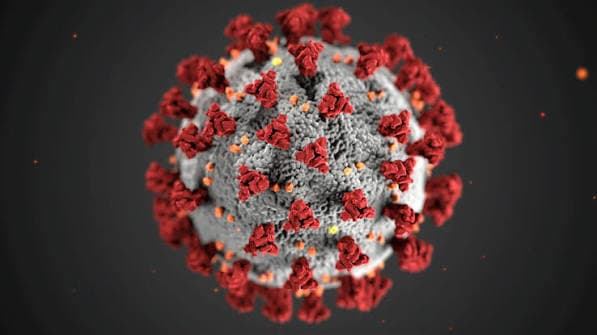
However, H1N1 and COVID-19 are also viral infections. H1N1 is a subtype of influenza A, while COVID-19 is caused by SARS-CoV-2.
This distinction matters because the appropriate testing, treatment and risk assessment can differ.
What Is H1N1?
H1N1 refers to a subtype of influenza A virus. The term became widely known during the 2009 H1N1 influenza pandemic, but H1N1 viruses continue to circulate as part of seasonal influenza.
Flu often has a relatively abrupt onset. Common symptoms include:
- Fever
- Cough
- Sore throat
- Headache
- Muscle or body aches
- Fatigue or weakness
- Chills
- Sometimes a runny or stuffy nose
According to the CDC, influenza commonly causes fever, body aches, fatigue and cough, and symptoms can begin suddenly.
One person may have a mild infection while another can develop complications such as pneumonia or worsening of an existing medical condition.
What Are the Common Symptoms of COVID-19?
COVID-19 can also cause:
- Fever or chills
- Cough
- Sore throat
- Fatigue
- Headache
- Muscle aches
- Runny or blocked nose
- Shortness of breath
- Nausea, vomiting or diarrhoea
- Changes in taste or smell
The range of symptoms can vary considerably between individuals.
Loss or change of taste or smell became particularly associated with COVID-19, although it is not present in everyone and should not be used alone to diagnose COVID-19. WHO lists changes in taste or smell among possible COVID-19 symptoms.
Viral Infection vs H1N1 vs COVID: Key Differences
| Feature | Viral Respiratory Infection | H1N1 / Influenza A | COVID-19 |
|---|---|---|---|
| What is it? | Broad category of viral illnesses | Influenza A subtype | Infection caused by SARS-CoV-2 |
| Fever | Common in some infections | Common | Common |
| Cough | Common | Common, sometimes significant | Common |
| Body aches | Possible | Often prominent | Possible |
| Fatigue | Common | Often prominent | Common |
| Sore throat | Possible | Possible | Common |
| Runny/blocked nose | Possible | Possible | Possible |
| Loss/change of taste or smell | Variable | Less characteristic | Can occur |
| Sudden onset | Depends on virus | Often sudden | Variable |
| Can symptoms alone confirm diagnosis? | No | No | No |
Important: This table is for general understanding, not diagnosis. There is considerable overlap between symptoms. WHO specifically notes that influenza and COVID-19 can cause similar symptoms, including cough, runny nose, sore throat, fever, headache and fatigue.
Can You Tell H1N1 and COVID Apart by Symptoms?
Not reliably.
A person with influenza may have fever, cough and severe body aches. Someone with COVID-19 can have the same symptoms.
Likewise, some people with either infection may have only mild symptoms.
This is why relying on a symptom checklist or an online “flu vs COVID” quiz is not enough to confirm which infection you have.
CTA: Not sure whether your symptoms are flu, COVID or another infection? Don't rely on symptoms alone. Speak with a healthcare professional about whether testing or clinical evaluation is appropriate for you.
Testing becomes particularly important for people at increased risk of severe disease or when knowing the diagnosis could influence treatment decisions. WHO recommends testing for suspected COVID-19, particularly early in the illness for people at increased risk of hospitalization or severe disease.
When Should You Get Tested?
The appropriate test depends on the suspected infection and the clinical situation.
COVID-19 can be detected using molecular tests such as PCR/NAAT or antigen tests. Some molecular tests can detect influenza and SARS-CoV-2 together, allowing healthcare professionals to distinguish between them.
Testing may be particularly useful when:
- Symptoms are significant or worsening.
- You have been exposed to someone with a confirmed infection.
- You are at higher risk of complications.
- You live with or care for vulnerable people.
- A doctor is considering antiviral treatment.
- Knowing the diagnosis will change your medical or infection-control plan.
A negative test does not always explain every respiratory illness, because many different viruses can cause similar symptoms.
Who Should Be More Careful?
Respiratory viral infections can become more serious in certain groups.
Higher-risk groups include older adults, pregnant people and individuals with certain chronic conditions or weakened immune systems. WHO identifies older adults, pregnant people, immunocompromised individuals and people with chronic heart, lung, kidney, neurological or metabolic conditions among those at increased risk of severe influenza and COVID-19.
For these individuals, early medical advice can be more important than simply waiting for symptoms to disappear.
When Should You Seek Medical Help?
Most mild respiratory infections can be managed with rest, fluids and appropriate supportive care.
But seek medical attention if symptoms are severe, rapidly worsening or concerning.
Seek urgent medical care for:
- Difficulty breathing or shortness of breath
- Persistent chest pain or pressure
- New confusion
- Difficulty staying awake or being unusually difficult to wake
- Bluish, pale or greyish skin, lips or nail beds
- Severe weakness or inability to function normally
- Seizures
- Significant dehydration or inability to keep fluids down
WHO identifies difficulty breathing, confusion, loss of consciousness, persistent chest pain or pressure and loss of speech or movement as serious warning signs requiring medical attention in severe COVID-19.
The CDC also lists breathing difficulty, persistent chest or abdominal pain/pressure, confusion, seizures, severe weakness and dehydration among warning signs of serious influenza complications.
CTA: If you or a family member is struggling to breathe, has persistent chest pain, becomes confused or unusually drowsy, or develops another severe symptom, seek urgent medical care rather than waiting for the illness to improve at home.
What Can You Do at Home for Mild Symptoms?
If symptoms are mild and you have no warning signs:
- Get adequate rest.
- Drink enough fluids.
- Eat regular, nutritious meals as tolerated.
- Monitor your symptoms.
- Avoid close contact with vulnerable people while you are unwell.
- Follow local guidance regarding testing and staying home.
- Take medicines only as directed by a healthcare professional or according to the product instructions.
Do not start antibiotics simply because you have fever, cough or body aches. Antibiotics treat bacterial infections, not viral infections such as influenza or COVID-19.
If you are at higher risk of severe illness, contact your healthcare professional early rather than waiting for symptoms to become severe.
Can You Have Flu and COVID at the Same Time?
Yes.
Influenza and COVID-19 are caused by different viruses, so infection with one does not automatically protect you from the other. Coinfection can occur.
This is another reason why assuming “it's just flu” or “it's definitely COVID” based only on symptoms can be misleading.
Prevention Still Matters
Several measures can help reduce the spread of respiratory infections.
These include:
- Staying home when you are sick.
- Covering your mouth and nose when coughing or sneezing.
- Washing your hands regularly.
- Improving ventilation in indoor spaces.
- Wearing a mask when appropriate, particularly when symptomatic or around people at high risk.
- Staying up to date with recommended influenza and COVID-19 vaccinations.
WHO notes that vaccination, respiratory hygiene, hand hygiene, masking in appropriate circumstances and staying home when sick can help reduce the spread and severity of influenza and COVID-19.
Importantly, flu and COVID-19 vaccines are different. Vaccination against one does not replace vaccination against the other.
The Bottom Line
A fever, cough, sore throat or body ache does not automatically mean H1N1 or COVID-19.
“Viral infection” is a broad category, H1N1 is an influenza A subtype, and COVID-19 is caused by SARS-CoV-2. Their symptoms overlap substantially, which means you often cannot determine the cause based on symptoms alone.
For mild illness, rest, fluids and monitoring may be appropriate. But people at higher risk of complications should seek medical advice early.
Most importantly, don't ignore warning signs.
CTA: Experiencing persistent or worsening fever, cough, breathing difficulty or unusual fatigue? Get the right medical guidance instead of self-diagnosing. A timely consultation can help determine whether you need testing, treatment or further evaluation.
Medical Disclaimer: This article is for general educational purposes and does not diagnose or treat any illness. Symptoms can overlap between respiratory infections. If symptoms are severe, worsening or concerning, seek medical attention.



Comments (0)