
Heart Attack And COVID-19: Understanding The Deadly Connection Between The Two

Can a respiratory system-attacking virus-like COVID lead to heart attacks? Let's understand the connection between the two from the experts.

Heart Attack & Coronary Artery Disease covers the narrowing and blockage of the arteries feeding the heart muscle — the process that causes chest pain (angina), heart attacks (myocardial infarction), and sudden cardiac death, and the leading cause of premature mortality in Indian adults. Indians develop CAD 8-10 years earlier than most other populations because of genetic lipoprotein differences, central obesity, high diabetes rates, and lifestyle. Our cardiologists and editorial team explain how to distinguish typical chest pain from atypical presentations that often fool women, elderly, and diabetics, what happens in the crucial first hour that determines survival and long-term heart function, when angioplasty with stents versus bypass surgery is the right call, and how post-heart-attack cardiac rehabilitation, medications, and lifestyle change together prevent the second event that kills so many survivors.
Last reviewed: 10 August 2026
Can a respiratory system-attacking virus-like COVID lead to heart attacks? Let's understand the connection between the two from the experts.

Winter brings its charm—cozy evenings, steaming cups of chai, and festive celebrations. However, it also brings a silent challenge for your heart health.
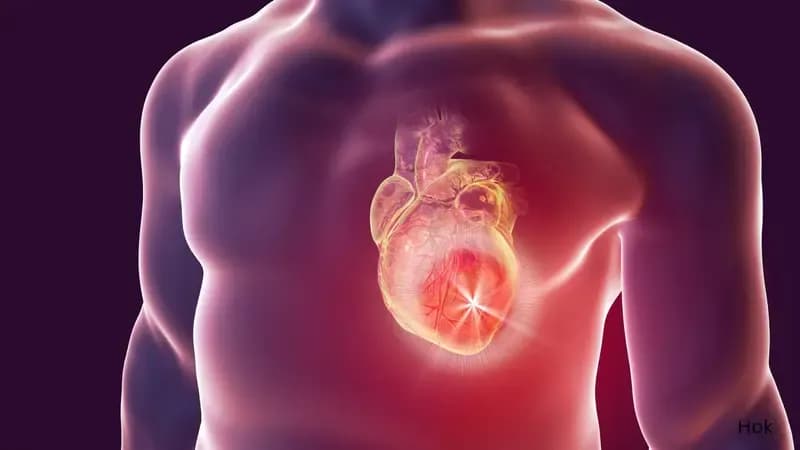
Myocardial infarction (MI), commonly known as a heart attack, is a medical emergency where blood flow to the heart is blocked, causing tissue damage.

Can Only 20 Minutes Of Cardio Boost Health And Promote Longevity? Know From Expert

पिछले दिनों पेपरफ्राई के सहसंस्थापक अंबरीश मूर्ति का लेह में कार्डियक अरेस्ट से निधन हो गया। वे अकसर अपनी बाइक पर पहाड़ों की यात्रा किया करते थे। पर शायद वे उन जटिलताओं के बारे में नहीं जानते थे, जिनका सामना दिल को ऊंचाई वाले स्थानों पर करना पड़ता है।
Expert answers from our medical team
Angina is chest pain from a partially blocked coronary artery — usually triggered by exertion or stress, lasts a few minutes, relieved by rest or nitroglycerin under the tongue. A heart attack is a complete blockage that kills heart muscle — pain is usually more severe, lasts longer than 15-20 minutes, doesn't ease with rest, and often comes with sweating, nausea, or shortness of breath. Any new chest pain lasting more than a few minutes needs immediate emergency evaluation — don't try to distinguish yourself.
Angioplasty (with a stent) opens a blocked artery through a small groin or wrist puncture — recovery in 1-2 days, back to normal in a week. Bypass surgery (CABG) creates new blood-flow paths around blocked arteries — bigger operation, 3-5 day hospital stay, 6-12 week recovery. Which is better depends on how many arteries are blocked, where the blockages are, and whether you have diabetes. Multi-vessel disease and diabetes often favor bypass. A good cardiologist explains both options honestly rather than pushing one.
Modern stents (drug-eluting) last well for most patients — 90%+ patency at 5-10 years. But stents don't cure coronary disease; the arteries elsewhere continue to narrow if the underlying risk factors aren't addressed. Post-stent patients need dual antiplatelet therapy (aspirin plus clopidogrel or similar) for 6-12 months, statins for life to lower LDL aggressively, BP control, diabetes control, no smoking, and regular activity. The stent buys time; the lifestyle and medications determine whether the next event happens.
Absolutely — and the evidence is very strong. Structured cardiac rehabilitation (supervised exercise plus education plus counseling) after heart attack, angioplasty, or bypass reduces mortality by 20-30% and improves quality of life. Yet in India, less than 10% of eligible patients enroll — often because it isn't offered, or because families don't know it exists. Ask your cardiologist for a referral to cardiac rehab; many hospitals now have programs, and community-based options are growing.
Return to activity is gradual and depends on the event and treatment. After uncomplicated angioplasty: walking within days, light activity in 1-2 weeks, most normal activities in 4-6 weeks. After bypass surgery: 6-12 weeks for full recovery, longer for physical work. Driving usually restricted for 2-6 weeks depending on procedure. Sexual activity generally safe once you can climb 2 flights of stairs without symptoms. Return-to-work timing depends on your job — office work is faster than physical labor.
Questions from our community members
Ask our medical community. Your question may help others with similar concerns.
Verified specialists across India