Curated by ZOCVI Medical Team

Screen Time & Digital Health

Overview

Screen Time & Digital Health covers eye strain, posture, sleep impact, sedentary behavior, and the mental-health load digital life adds to children and adults. Our doctors and editorial team explain age-appropriate screen-time guidance, the 20-20-20 rule that actually works for eye strain, and practical limits families can sustain.

Last reviewed: 11 August 2026

Expert Guides

Dr. Saloni Kabra

Homoeopath • 7 yrs • Indore

371 views

The New Epidemic Nobody Talks About: Sleep Debt in Urban India
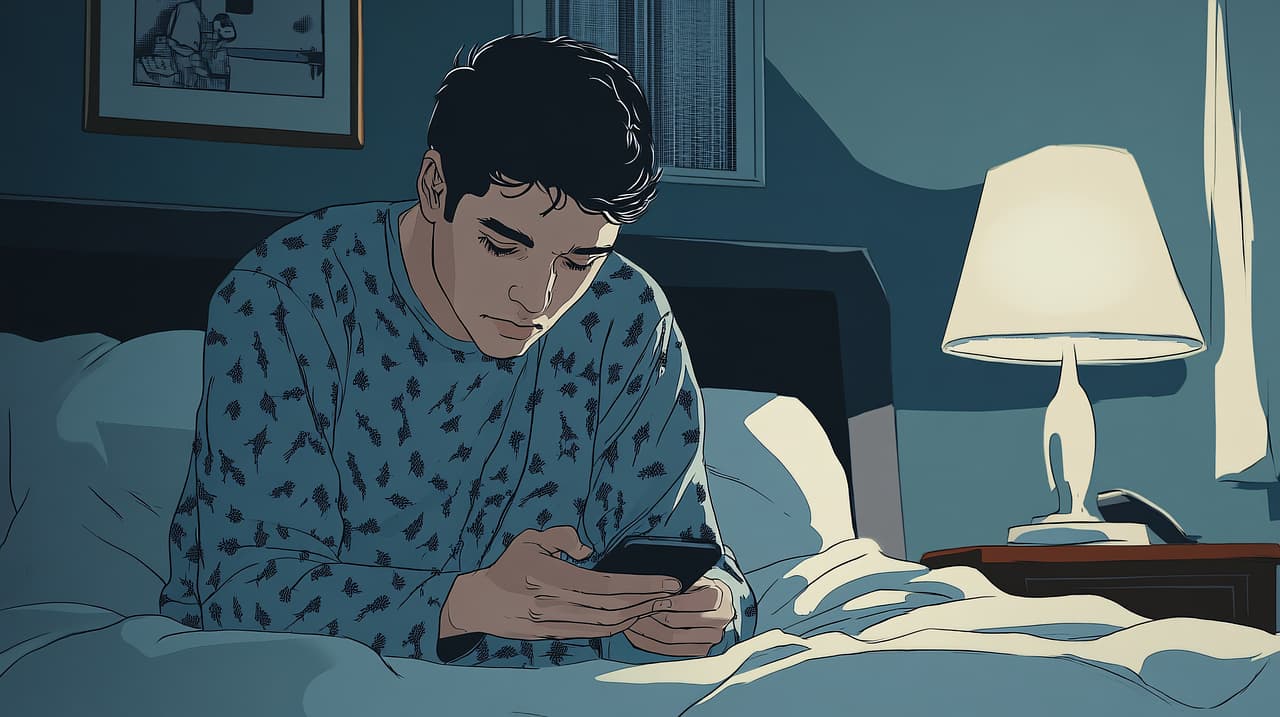
The New Epidemic Nobody Talks About: Sleep Debt in Urban India

Last month, a 32-year-old marketing executive in Bengaluru fainted during a client presentation. Doctors ran every possible test — heart, sugar, thyroid, even vitamin levels. Everything came back normal. The actual culprit? Sleep debt. We don’t talk about it much, but in India’s cities, lack of proper sleep has quietly become one of the biggest health threats. It’s not just about feeling tired. It’s about what happens when your body never gets the deep rest it needs. Why We’re Sleeping Less Without Realising It Twenty years ago, most families in India wound down by 10:30 pm. Today, 10:30 pm is when many people finally open their laptops to “catch up” on work or scroll endlessly through Instagram reels. Add late-night cricket matches, work-from-home schedules, and the fear of missing out, and suddenly we are living in a 24/7 world. Here’s what’s dangerous: Even if you’re in bed for six hours, your body may only get four hours of quality sleep because of stress, screen light, and irregular timing. Over a week, that’s like losing two full nights of sleep. Doctors call this sleep debt — and your body always collects the payment, usually through illness. The Domino Effect on Your Health Sleep debt doesn’t just make you yawn at your desk. It rewires your entire system in slow motion. - Your hormones go haywire — leading to weight gain, PCOS flare-ups, and thyroid problems. - Your brain struggles to filter emotions, which is why you feel irritable, anxious, or even depressed. - Your heart beats under silent stress, increasing the risk of hypertension and sudden cardiac events. Do you remember the sudden heart attack cases we’ve been seeing lately, especially among younger people? Many of them have a hidden thread: chronic lack of deep sleep. Why This Is Worse in India You might think, “But everyone around me is sleeping late — it’s normal now.” That’s exactly the problem. In the West, people have started taking sleep seriously. Wellness apps, therapy for insomnia, even workplaces that encourage rest breaks are becoming common. In India, however, we glorify being busy. Pulling an all-nighter before exams, staying up late to binge-watch shows, or sacrificing sleep for work is almost seen as a badge of honour. Culturally, we still treat sleep as optional — like a luxury, not a necessity. The 90-Minute Rule That Can Save You Here’s something practical and easy to try. Our sleep works in 90-minute cycles — from light sleep to deep sleep and back. If you wake up mid-cycle, you feel groggy and tired even if you’ve slept for eight hours. So, instead of focusing only on the total hours, plan your bedtime in multiples of 90 minutes. For example: - Sleep at 11:00 pm → Wake at 6:30 am (5 cycles = 7.5 hours) - Sleep at 12:30 am → Wake at 7:00 am (4.5 cycles = 6.75 hours) It’s simple maths, but it works like magic. One Small Habit to Start Tonight No, you don’t need fancy gadgets or melatonin supplements. Start with one basic step: switch off all bright screens 30 minutes before bed. Not on silent mode, not on “do not disturb” — completely off. Do something slow and grounding instead: - Read a real book (yes, the paper kind!) - Listen to calming music or bhajans - Sit quietly and breathe for a few minutes It may feel awkward at first, but within a week, you’ll notice your body naturally starting to unwind earlier. Final Thought We often talk about diet, exercise, and stress management when discussing health. But sleep is the invisible foundation that holds everything together. Ignore it long enough, and no supplement or workout plan will save you. So tonight, when you’re tempted to scroll “just five more minutes,” remember this: Every late-night reel comes with an interest rate. And your body will eventually send you the bill.


Frequently Asked Questions

Expert answers from our medical team

How do I decide if a health app is trustworthy?

Look for: clear ownership (a real company or hospital, not anonymous), transparency about how it uses your data, doctor involvement in the content, and citations for medical claims. Be skeptical of apps promising quick fixes, personalised supplement plans without doctor input, or 'AI diagnosis' from photos alone. Apps that support your care (tracking BP, medication reminders, teleconsult with real doctors) are safer than apps that try to replace care.

Are teleconsultations as good as in-person visits?

For many concerns, yes — follow-ups for stable chronic conditions, medication questions, mental health check-ins, minor illnesses that don't need physical examination. For new symptoms, anything needing examination or tests, or paediatric concerns in young infants, in-person is still better. India's eSanjeevani and private platforms have made teleconsult widely available; used well, it saves time without compromising care.

Is Google-searching my symptoms harmful?

It's a mixed bag. Reliable sources (major hospital sites, government health portals, established medical publishers) can help you understand your body and know when to see a doctor. But casually searching symptoms and landing on worst-case pages or wellness marketing can create real anxiety or delay proper care. If searching leads you to see a doctor sooner, great; if it convinces you not to bother, it's hurting you.

How do I protect my family's health data online?

Use strong unique passwords for health apps and portals. Be careful about which apps you give access to phone data or health records. Read privacy policies (or at least skim who they share data with). Don't post medical reports on WhatsApp groups or social media. Ayushman Bharat Digital Mission (ABDM) is India's official framework — apps compliant with it have clearer data protections.

Are fitness trackers and smartwatches accurate enough to matter?

For step counts and general activity trends, yes — accurate enough to be useful. Heart rate is reasonably good for exercise but less reliable for medical purposes. Sleep tracking gives directional data, not clinical grade. Blood oxygen and ECG features on some watches have caught real problems (atrial fibrillation), but false alarms are common. Treat data as a rough guide, not a diagnosis — and consult a doctor if anything looks off.

Community Questions

Questions from our community members

Have a question about this topic?

Ask our medical community. Your question may help others with similar concerns.

No questions yet. Be the first to ask!

Find a Doctor for Screen Time & Digital Health

Verified specialists across India

Dr. Saloni Kabra

Homoeopath

7 yrs

Indore

Homeopathic Hooman Clinic
Chhatribag, Near Shri Devi Ahilya Shishu Vihar School, Indore, Madhya Pradesh, 452002
₹800 consultation
EmailWhatsApp

Dr. Prashant Jain

Ayurvedic Doctor

12 yrs

Delhi

Nirmal Ayurved
Shahdara – Jyoti Nagar West, Delhi, Delhi, 110094
Fee on request
EmailWhatsApp

Dr. Suruchi Mandrekar

Book Online

Diabetologist

30 yrs

Pune

Manipal Hospital
Baner, Pune, Maharashtra, 411045
₹1000 consultation
EmailWhatsApp

Dr. Niranjana Jayakrishnan

Gynaecologist

12 yrs

Thiruvananthapuram

Dr Niranjana Jayakrishnan Clinic
NALANCHIRA P.O, Thiruvananthapuram, Kerala, 695015
₹3000 consultation
EmailWhatsApp