
Introduction
The cystic duct is a vital anatomical structure that plays a crucial role in the digestive system, particularly in the storage and transport of bile. Situated within the biliary tree, it connects the gallbladder to the common bile duct, facilitating the flow of bile between these structures. Understanding the anatomy and function of the cystic duct is essential for comprehending its significance in digestive health and the management of related conditions.
Anatomy of the Cystic Duct
The cystic duct originates from the neck of the gallbladder, which is located on the inferior surface of the liver. It extends downward and joins the common hepatic duct to form the common bile duct. The length of the cystic duct can vary among individuals but typically ranges from 2 to 4 centimeters. It features a spiral valve known as the spiral valve of Heister, which helps prevent the duct from collapsing and maintains the flow of bile.
Function of the Cystic Duct
The primary function of the cystic duct is to transport bile between the gallbladder and the common bile duct. Bile, a greenish-yellow fluid produced by the liver, is stored and concentrated in the gallbladder between meals. When dietary fat enters the small intestine, hormonal signals trigger the contraction of the gallbladder, releasing bile into the cystic duct and subsequently into the common bile duct. From there, bile travels to the duodenum, where it aids in the digestion and absorption of fats.
Role in Gallstone Formation
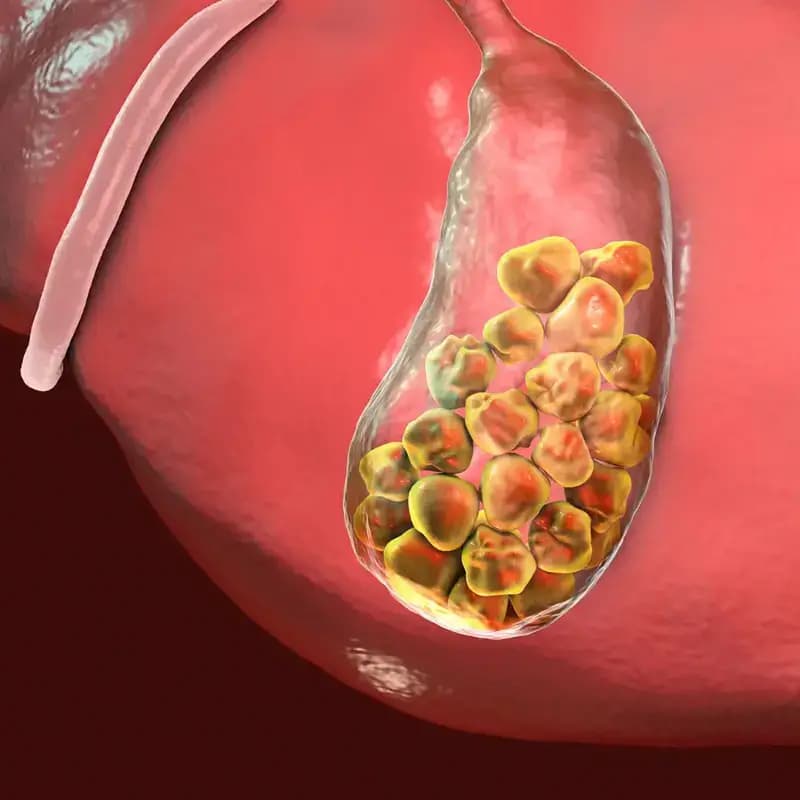
Gallstones, hardened deposits that form in the gallbladder or bile ducts, can obstruct the cystic duct, leading to various symptoms and complications. When bile becomes supersaturated with cholesterol or bilirubin, it can crystallize and form stones. If a gallstone becomes lodged in the cystic duct, it can cause inflammation, pain, and potentially serious complications such as cholecystitis or pancreatitis. Understanding the role of the cystic duct in gallstone formation underscores the importance of preventive measures and timely treatment for gallbladder issues.
Clinical Relevance and Conditions Affecting the Cystic Duct
Several medical conditions can affect the cystic duct and disrupt its function. Cholecystitis, inflammation of the gallbladder often caused by gallstones, is a common condition that can involve obstruction or infection of the cystic duct. Biliary colic, characterized by severe abdominal pain due to gallstone obstruction, is another condition that may involve the cystic duct. Additionally, tumors or strictures in the biliary tree can affect the cystic duct's patency and flow of bile.
Diagnostic Evaluation and Treatment Options
When evaluating conditions involving the cystic duct, diagnostic imaging techniques such as ultrasound, computed tomography (CT), or magnetic resonance cholangiopancreatography (MRCP) may be used to visualize the biliary anatomy and identify any abnormalities. Treatment options for cystic duct-related conditions depend on the underlying cause and severity of symptoms. In cases of gallstones causing obstruction or inflammation, surgical removal of the gallbladder (cholecystectomy) may be necessary to alleviate symptoms and prevent complications.
Conclusion
In conclusion, the cystic duct is a crucial component of the biliary system, facilitating the storage and transport of bile between the gallbladder and the common bile duct. Understanding its anatomy, function, and clinical relevance is essential for diagnosing and managing various digestive conditions, particularly those involving gallbladder dysfunction or gallstone formation. By recognizing the role of the cystic duct in digestive health, healthcare providers can effectively evaluate and treat patients with cystic duct-related issues, ultimately improving their overall well-being and quality of life.
About Zocvi
Zocvi connects patients with verified doctors and evidence-based health guidance. Visit zocvi.com or reach us on WhatsApp at +91-92724-57637.



Comments (0)