
Introduction
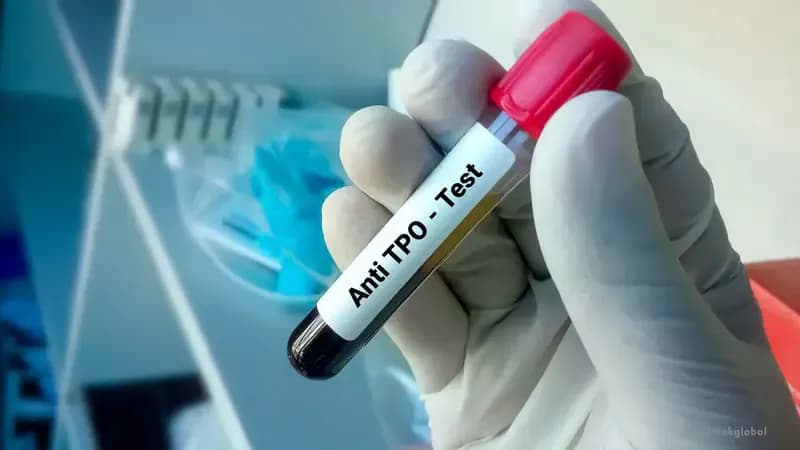
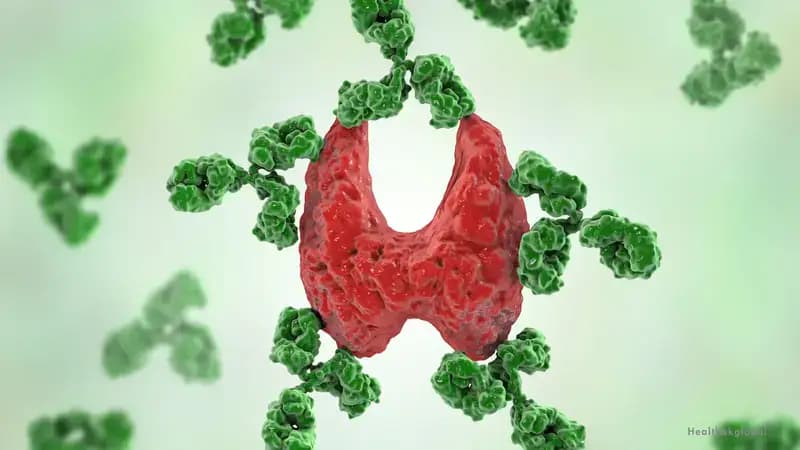
The Anti-TPO test measures levels of thyroid peroxidase antibodies in the blood. These antibodies are often produced in autoimmune thyroid disorders like Hashimoto's thyroiditis and Graves' disease. Thyroid peroxidase (TPO) is essential for hormone synthesis, and elevated anti-TPO levels indicate that the immune system is targeting the thyroid gland. This comprehensive guide explores the importance, procedure, and implications of the Anti-TPO test in thyroid health diagnosis and management.
The Importance of the Anti-TPO Test
The Anti-TPO test is an indispensable diagnostic tool in detecting and managing autoimmune thyroid conditions. Elevated levels of anti-thyroid peroxidase antibodies can disrupt normal thyroid function, leading to either hypothyroidism or hyperthyroidism.
Studies show that 90% of Hashimoto's cases present elevated anti-TPO levels, making it a critical diagnostic marker.
Early Detection of Autoimmune Disorders:
Regular Anti-TPO testing helps evaluate the effectiveness of thyroid treatments and detect potential complications early.
Monitoring Treatment Progress:
Left unmanaged, autoimmune thyroid diseases can lead to cardiovascular issues, infertility, and metabolic disturbances.
Preventing Long-Term Complications:
Symptoms Indicating the Need for an Anti-TPO Test
Certain symptoms may indicate thyroid dysfunction, warranting an Anti-TPO test. These include:
Over 60% of thyroid patients report chronic fatigue as an early symptom of dysfunction.
Persistent Fatigue:
Unexplained weight gain or loss is a common sign of hypothyroidism or hyperthyroidism.
Weight Fluctuations:
Thyroid issues can cause depression, anxiety, or brain fog, affecting daily life.
Mood and Cognitive Changes:
Physical symptoms like hair loss or brittle nails often accompany thyroid imbalances.
Hair Thinning and Brittle Nails:
The Anti-TPO Test Procedure
The Anti-TPO test is a straightforward blood test, typically requiring no special preparation. Here's what to expect:
Fasting is generally not required unless other tests are being conducted simultaneously.
Step 1: Preparation:
A small blood sample is drawn from a vein in the arm.
Step 2: Sample Collection:
The sample is tested for the concentration of anti-TPO antibodies, typically reported in IU/mL.
Step 3: Laboratory Analysis:
Results are available within 1-2 days and must be interpreted in conjunction with clinical symptoms and other thyroid tests.
Step 4: Results Interpretation:
Understanding Anti-TPO Test Results
Interpreting the Anti-TPO test results is vital for accurate diagnosis and management.
Most labs consider levels below 35 IU/mL as normal, but this can vary slightly.
Normal Levels:
High anti-TPO levels indicate an autoimmune response and are seen in up to 95% of Hashimoto's patients.
Elevated Levels:
Elevated levels should be evaluated alongside TSH and T4 levels for a comprehensive thyroid assessment.
Clinical Correlation:
Case Study: Diagnosing Hashimoto's Thyroiditis
A 45-year-old female patient presented with fatigue, weight gain, and hair thinning. Her Anti-TPO levels were elevated at 200 IU/mL, confirming Hashimoto's thyroiditis. Initiating thyroid hormone replacement therapy improved her symptoms significantly within three months.
Conclusion
The Anti-TPO test plays a pivotal role in diagnosing and managing autoimmune thyroid conditions. Regular testing, combined with appropriate treatment and lifestyle changes, can prevent complications and improve overall well-being. If you experience thyroid-related symptoms, consult your healthcare provider for an Anti-TPO test and tailored care plan.
Dedicated Elderly Support by Zocvi
Zocvi offers comprehensive elderly care services to ensure the dignity and safety of seniors. Our expert caregivers provide personalized support, from routine health checks to emotional well-being assistance. Contact our FREE 24 x 7 Healthcare Helpline at +91-92724-57637 for immediate support and assistance.



Comments (0)