

Overview
Feet are often the part of the body people with diabetes pay attention to only when something starts hurting. The problem is that diabetic nerve damage can reduce the ability to feel pain, heat, pressure or minor injuries. A blister from a shoe, a small cut, a burn from hot water or an ingrown toenail may therefore go unnoticed. At the same time, reduced blood flow can make some wounds slower to heal and increase the risk of complications.
That is why basic foot care deserves to become part of the daily diabetes routine. It does not require complicated equipment or an elaborate routine. What matters is noticing small changes early, protecting the skin from injury and knowing when a seemingly minor problem needs medical attention.
Start With a Daily Foot Check
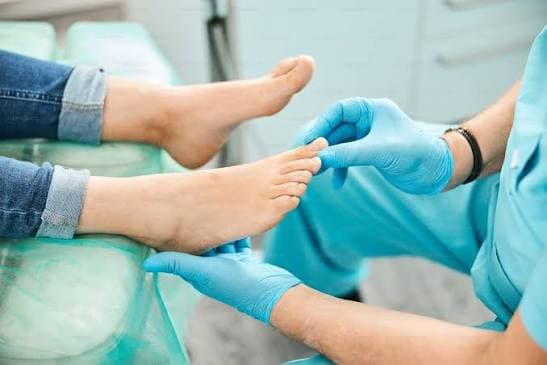
The most useful foot-care habit is also one of the simplest: look at your feet every day. Check the tops, soles, heels, sides and the spaces between the toes. Look for cuts, blisters, redness, swelling, cracks, sores, unusual warmth, changes in skin colour, corns, calluses and changes in the nails. A new area of rubbing or pressure from footwear is also worth noticing before it develops into a wound.
This daily inspection becomes especially important when sensation is reduced. If you cannot easily see the soles of your feet, use a mirror or ask a family member to help. The purpose is not to become anxious about every mark on the skin; it is to identify new or changing problems while they are still small.
Keep Feet Clean and Dry—But Do Not Soak Them
Wash your feet regularly with warm, not hot, water and mild soap, then dry them carefully, particularly between the toes. People with diabetic neuropathy may not accurately judge water temperature, so very hot water can cause a burn without producing the expected warning of pain. NIDDK specifically advises against soaking the feet because prolonged exposure to water can dry and damage the skin.
Dry skin can crack, while excessive moisture between the toes can encourage skin problems and infection. A simple rule is useful: clean the feet, dry them thoroughly and moisturise dry skin—but keep moisturiser away from the spaces between the toes.
Your Shoes Are Part of Your Foot Care
A large number of everyday foot problems begin with pressure, friction or poorly fitting footwear. Shoes that are too tight can rub against the toes, create blisters or put repeated pressure on areas that may already have reduced sensation. A person with neuropathy may continue wearing an uncomfortable shoe because the normal pain signal is reduced.
Choose footwear that fits comfortably, provides adequate room for the toes and does not create pressure points. Wear socks with shoes, and check the inside of the shoe before putting it on—particularly if sensation is reduced—to make sure there are no stones, rough areas, folded material or other objects that could injure the foot. New shoes should be introduced gradually, with the feet checked afterwards for redness or areas of rubbing.
And one habit deserves special emphasis: avoid walking barefoot, even indoors. A small object, sharp edge or hot surface can injure a foot without being felt immediately.
Toenail Care Needs More Care Than It Seems
Toenails should generally be trimmed straight across, with sharp edges gently smoothed using a nail file. Cutting deeply into the corners can increase the risk of ingrown nails and skin injury. If someone cannot see, reach or safely feel their feet, or has thick, distorted or problematic nails, professional foot care may be safer than attempting to manage them independently.
Do not try to dig underneath the nail, cut into the skin or aggressively remove a thickened nail. Likewise, a sudden change in nail colour—including a dark or black nail—should not automatically be assumed to be a fungal infection. It may have several possible causes and may need assessment.
Never Treat Corns and Calluses Aggressively at Home
Corns and calluses are often treated as harmless cosmetic problems, but in a person with diabetes, they can indicate repeated pressure or friction. More importantly, cutting them with a blade or using strong chemical corn removers can damage the skin and create an entry point for infection. NIDDK specifically advises people with diabetes not to cut corns or calluses themselves or use over-the-counter chemical removal products.
If a callus keeps returning in exactly the same place, the more useful question may be why that area is receiving repeated pressure. The solution may involve changing footwear, reducing pressure or having the foot professionally assessed rather than repeatedly removing the thickened skin.
Protect Your Feet From Heat and Minor Injuries
A reduced ability to sense temperature is another reason ordinary household habits can become risky. Avoid placing heating pads, hot-water bottles or other direct heat sources against the feet. Be cautious with hot water, heaters and heated surfaces, particularly if you have numbness or neuropathy.
The same principle applies to minor injuries. Do not assume that a small blister or cut is insignificant simply because it does not hurt. Pain is not a reliable safety signal when sensation has been reduced.
Know Which Changes Need Medical Attention
A small foot problem does not necessarily become a serious complication, but it should not be ignored. Contact a healthcare professional promptly if you notice a cut or wound that is not healing, a blister or ulcer, increasing redness or swelling, warmth, discharge, an infected or ingrown toenail, a change in foot colour or temperature, or a new area of numbness or altered sensation.
A particularly important warning sign is a foot that becomes red, warm and swollen, especially when accompanied by a change in its shape. Diabetes-related nerve damage can rarely contribute to Charcot foot, a serious condition in which bones and joints can become damaged despite surprisingly little pain. This requires urgent professional assessment.
If there is a significant wound, rapidly spreading redness, severe swelling, pus, fever or a marked change in the colour or temperature of the foot, medical care should not be delayed.
Foot Care Is Also Part of Diabetes Management
Foot care works best when it is not treated as a separate task from diabetes management. Keeping blood glucose within the range recommended by your healthcare team, managing blood pressure and cholesterol, staying physically active in ways appropriate for your feet and avoiding smoking can all contribute to reducing diabetes-related complications. Diabetes can affect both nerves and blood vessels, so protecting the feet involves addressing the underlying risk as well as caring for the skin and nails.
Regular professional examinations are important even when the feet appear normal. CDC recommends having the feet checked at healthcare visits and a complete foot examination at least annually, with more frequent assessment for people who have neuropathy or other high-risk foot problems.
A Five-Minute Foot Routine Can Make a Difference
Good diabetic foot care does not need to take an hour. Make it part of an existing daily habit: look at both feet, check the skin and nails, wash and dry them properly, moisturise dry areas, and check your footwear before putting it on. If something has changed, do not wait for it to become painful before paying attention.
The goal is not to make people afraid of foot problems. It is to make them easy to notice and difficult to ignore.
For someone living with diabetes, healthy feet are protected not by one special cream or one expensive pair of shoes, but by consistent small decisions: checking every day, preventing avoidable injuries, treating problems early and getting professional help when something does not look right.






Comments (0)