Curated by ZOCVI Medical Team

Parkinson's & Movement Disorders

Overview

Parkinson's disease is the second most common neurodegenerative condition after Alzheimer's, affecting over a million people in India. It is caused by the loss of dopamine-producing cells in the brain — leading to the classic triad of resting tremor, slowness of movement (bradykinesia), and muscle stiffness (rigidity). But Parkinson's is far more than a movement disorder: depression, anxiety, sleep disturbance, constipation, and cognitive changes affect most patients and often precede motor symptoms by years. There is no cure yet, but treatment with levodopa and other dopaminergic medications controls symptoms effectively for many years. Advanced options including deep brain stimulation can give substantial relief when medications alone are insufficient. Early diagnosis and a good movement disorder specialist make a meaningful difference.

Last reviewed: 10 August 2026

Expert Guides

Frequently Asked Questions

Expert answers from our medical team

Is every tremor a sign of Parkinson's disease?

No. The most common tremor condition is essential tremor — which is often hereditary, occurs during action (holding a cup, writing) rather than at rest, and is not associated with Parkinson's. Parkinson's tremor is characteristically a resting tremor — the hand shakes when relaxed and stops when reaching for something. Other tremor causes include thyroid disorders, medication side effects (lithium, valproate, some antidepressants), caffeine excess, anxiety, and cerebellar disease. Age-related tremor is also common. A neurologist can distinguish these through examination and, when needed, a DaTscan (dopamine transporter imaging). Not every shaky hand needs levodopa.

What are the early signs of Parkinson's before tremor appears?

Motor symptoms (tremor, slowness, stiffness) are preceded by non-motor symptoms years earlier: loss of smell (anosmia) — often dismissed, REM sleep behaviour disorder (acting out dreams physically while asleep — a spouse may notice this), constipation that is unusually persistent, depression or anxiety without clear cause, and small handwriting (micrographia). By the time tremor appears, significant dopamine cell loss has already occurred. Research into these prodromal (pre-motor) signs is active — future neuroprotective treatments, when available, would ideally be started at this early stage. Currently, there is no proven treatment to slow or stop progression, though exercise has the strongest evidence for slowing functional decline.

How is Parkinson's disease treated?

Levodopa (combined with carbidopa to reduce side effects) remains the most effective Parkinson's medication after 50+ years. It replaces the dopamine that is no longer being produced. Other medications — dopamine agonists (pramipexole, ropinirole), MAO-B inhibitors (rasagiline, selegiline), COMT inhibitors — are used alone in early disease or combined with levodopa as disease progresses. Over time, levodopa's effect wears off faster between doses (wearing-off) and involuntary movements (dyskinesias) can develop — medication adjustments, more frequent dosing, or extended-release formulations help. Deep brain stimulation (DBS) — a surgically implanted electrode that modulates brain circuits — provides excellent relief for motor fluctuations in suitable patients and is available at specialised Indian centres.

Does exercise really help Parkinson's?

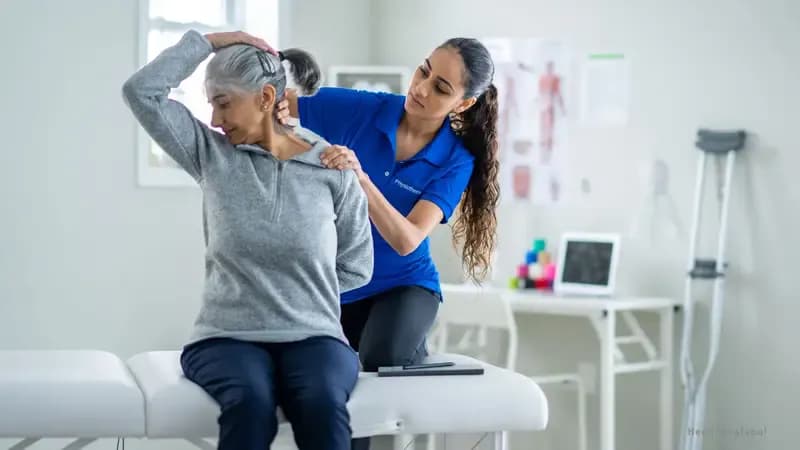
Yes — exercise is currently the most evidence-supported intervention for slowing functional decline in Parkinson's, beyond medications. Regular aerobic exercise, strength training, balance work, and specifically Parkinson's-targeted programmes (boxing, tango dance, tai chi, cycling on tandem bikes) have all shown benefits in clinical trials — improving gait, balance, mood, and cognitive function. Some animal studies suggest exercise may even slow neurodegeneration, though this hasn't been proven in humans. In India, access to Parkinson's-specific physiotherapy is limited outside metros, but general aerobic exercise and yoga adapted for balance are practical alternatives. The evidence is strong enough that most movement disorder specialists consider exercise as important as medication.

What is deep brain stimulation and is it suitable for everyone?

Deep brain stimulation (DBS) involves surgically implanting electrodes in specific brain targets (subthalamic nucleus or globus pallidus), connected to a battery device under the collarbone, that delivers continuous electrical impulses to modulate abnormal circuit activity. It does not cure Parkinson's or stop progression but dramatically reduces motor fluctuations, wearing-off, and dyskinesias — often halving the time spent in the 'off' state. It's most suitable for people who respond well to levodopa but have significant wearing-off or dyskinesias, have no major cognitive impairment, are in reasonable health for surgery, and have realistic expectations. DBS does not help tremor-dominant patients who don't respond to levodopa, or those with significant dementia. It is available at major neurosurgery centres in India (NIMHANS, AIIMS, major private hospitals).

Community Questions

Questions from our community members

Have a question about this topic?

Ask our medical community. Your question may help others with similar concerns.

No questions yet. Be the first to ask!

Find a Doctor for Parkinson's & Movement Disorders

Verified specialists across India

Dr. Sitla Prasad Pathak

Neurologist

16 yrs

Ghaziabad

Max Super Speciality Hospital - Vaishali
Vaishali, Ghaziabad, Uttar Pradesh, 201019
₹1400 consultation

Dr. P Muthukumaran

Neurologist

15 yrs

Tirunelveli

PS Neuro Centre
Tirunelveli-2, Tirunelveli, Tamil Nadu, 627002
₹300 consultation

Dr. Silpa Kesireddy

Neurologist

16 yrs

Visakhapatnam

Medicover Hospitals
MVP Colony, Visakhapatnam, Andhra Pradesh, 530017
₹800 consultation

Dr. Shripal Shah

Neurologist

14 yrs

Nashik

Apollo Hospital
Jejurkar Wadi, Nashik, Maharashtra, 422002
₹700 consultation