Understanding Dilated Bowel Loops: Causes, Symptoms, and Treatment
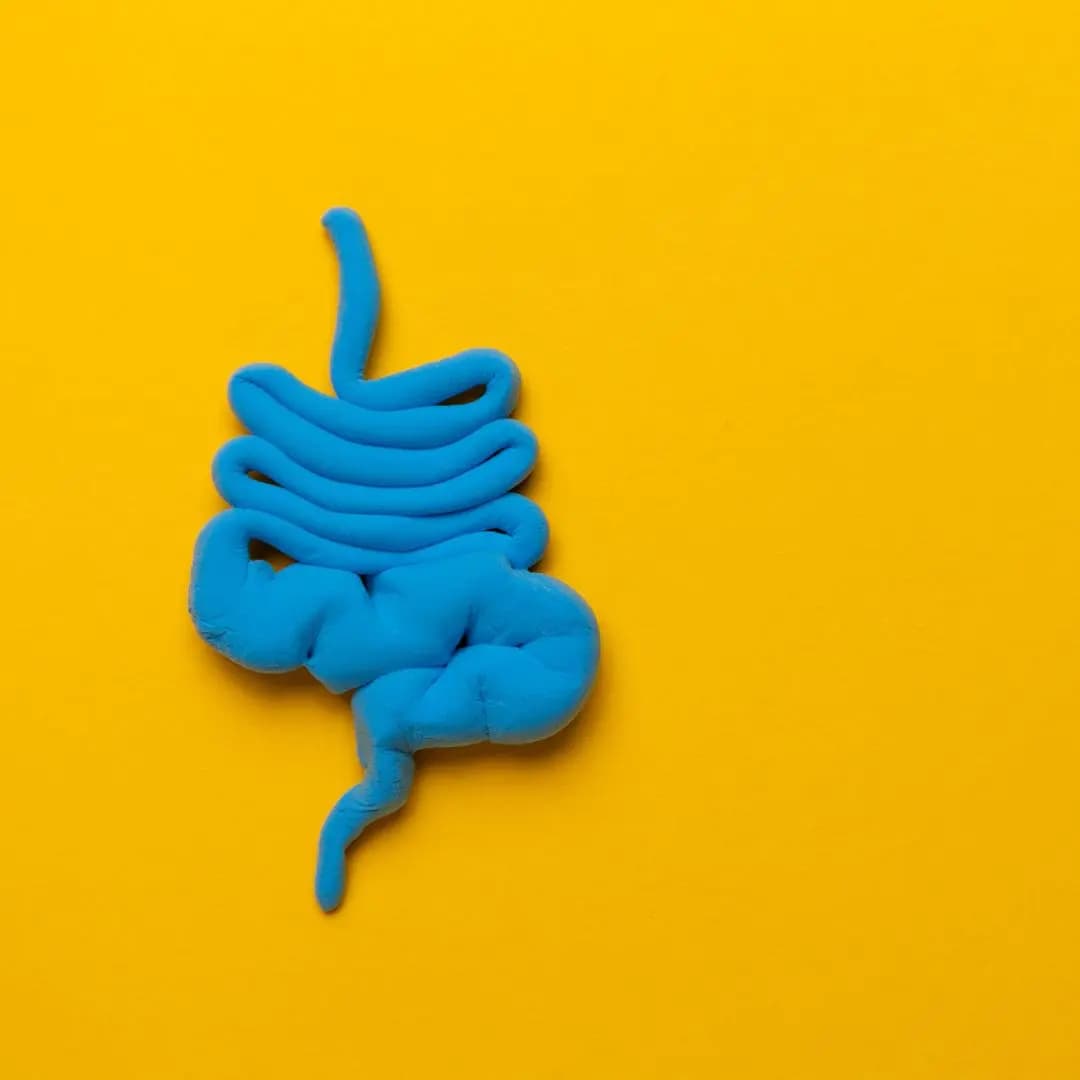
Dilated bowel loops, also known as bowel dilation, refer to the abnormal widening or enlargement of segments of the intestines.

Inflammatory Bowel Disease covers Crohn's disease and ulcerative colitis — autoimmune conditions with rising prevalence in India. Our gastroenterologists and editorial team explain diagnosis, current biologic and immunomodulator treatments, dietary management, and how to live well with a chronic condition that requires lifelong monitoring.
Last reviewed: 10 August 2026
Expert answers from our medical team
IBS (irritable bowel syndrome) is a functional disorder — no visible damage to the gut. IBD (inflammatory bowel disease) — mainly Crohn's disease and ulcerative colitis — involves actual inflammation and damage visible on colonoscopy. IBD symptoms often include blood in stool, weight loss, fever, and can affect other organs. IBD is diagnosed with colonoscopy plus biopsy; IBS is a diagnosis of pattern after ruling out other things.
Treatment depends on which type (Crohn's or ulcerative colitis), where in the gut it affects, and how severe. Options include anti-inflammatory drugs (5-ASA), steroids for flares, immunosuppressants, biologics (targeted antibodies), and — in some cases — surgery. Modern biologics can bring the disease into deep remission for years. IBD needs long-term specialist care.
Yes, in most cases. With current treatment, many people with IBD have long stretches of remission with no symptoms. Diet, stress, and sleep matter — but IBD flares aren't your fault when they happen. Career, marriage, pregnancy, and travel are all manageable with a good gastroenterologist and treatment plan.
Increasingly, yes. IBD used to be considered a Western disease but rates have risen sharply in urban India over the last two decades — likely a mix of dietary shift, environmental factors, and better diagnosis. Access to biologics has improved, though cost remains a barrier for many families. Support groups (both in-person and online) can help — IBD is often isolating.
For active IBD, no — you need medication. Diet and probiotics may help with symptom control or maintaining remission, but they don't heal inflammation on their own. Some specific dietary approaches (like the specific carbohydrate diet or exclusive enteral nutrition in children with Crohn's) have real evidence, but they work alongside medication, not instead of it.
Questions from our community members
Ask our medical community. Your question may help others with similar concerns.
Verified specialists across India
