Curated by ZOCVI Medical Team

School Health

Overview

School Health covers backpack weight, posture, eye strain from screens, sleep, nutrition through the school day, infection control in classrooms, and the academic-pressure mental-health load Indian students carry. Our doctors and editorial team explain practical adjustments families can make and what schools should be doing better.

Last reviewed: 11 August 2026

Expert Guides

Dr. Saloni Kabra

Homoeopath • 7 yrs • Indore

368 views

The New Epidemic Nobody Talks About: Sleep Debt in Urban India

The New Epidemic Nobody Talks About: Sleep Debt in Urban India

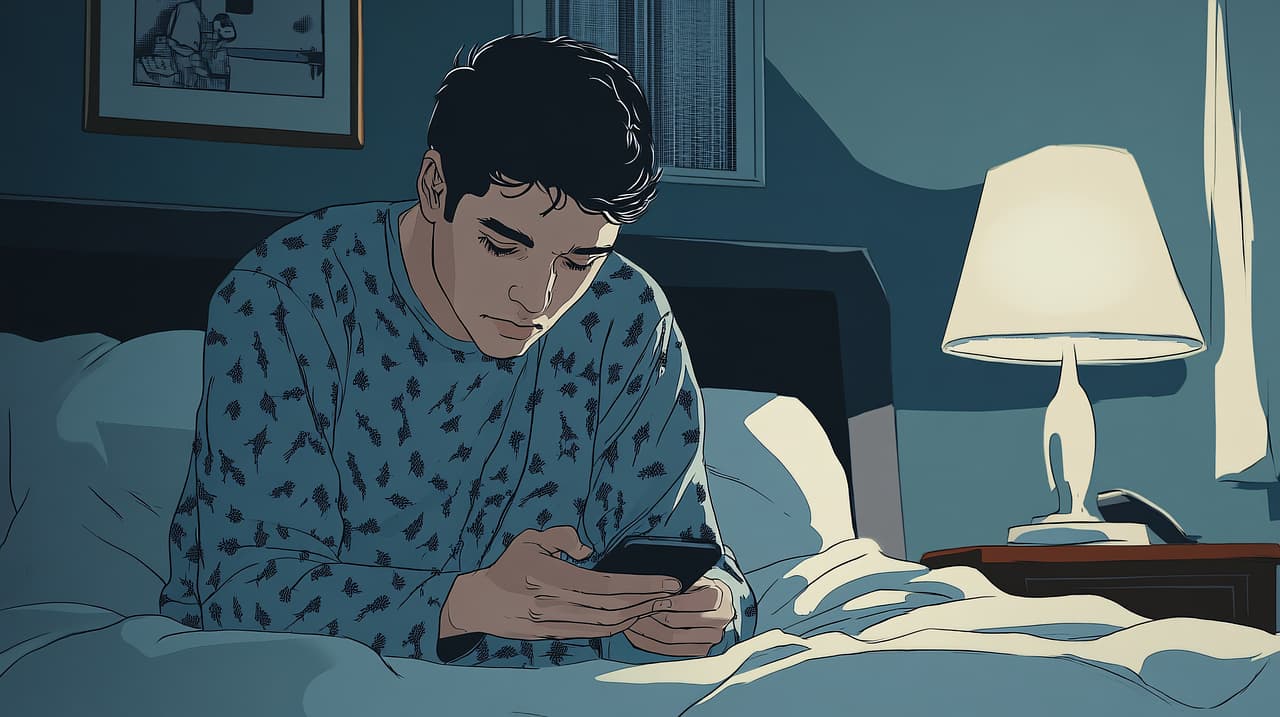
Last month, a 32-year-old marketing executive in Bengaluru fainted during a client presentation. Doctors ran every possible test — heart, sugar, thyroid, even vitamin levels. Everything came back normal. The actual culprit? Sleep debt. We don’t talk about it much, but in India’s cities, lack of proper sleep has quietly become one of the biggest health threats. It’s not just about feeling tired. It’s about what happens when your body never gets the deep rest it needs. Why We’re Sleeping Less Without Realising It Twenty years ago, most families in India wound down by 10:30 pm. Today, 10:30 pm is when many people finally open their laptops to “catch up” on work or scroll endlessly through Instagram reels. Add late-night cricket matches, work-from-home schedules, and the fear of missing out, and suddenly we are living in a 24/7 world. Here’s what’s dangerous: Even if you’re in bed for six hours, your body may only get four hours of quality sleep because of stress, screen light, and irregular timing. Over a week, that’s like losing two full nights of sleep. Doctors call this sleep debt — and your body always collects the payment, usually through illness. The Domino Effect on Your Health Sleep debt doesn’t just make you yawn at your desk. It rewires your entire system in slow motion. - Your hormones go haywire — leading to weight gain, PCOS flare-ups, and thyroid problems. - Your brain struggles to filter emotions, which is why you feel irritable, anxious, or even depressed. - Your heart beats under silent stress, increasing the risk of hypertension and sudden cardiac events. Do you remember the sudden heart attack cases we’ve been seeing lately, especially among younger people? Many of them have a hidden thread: chronic lack of deep sleep. Why This Is Worse in India You might think, “But everyone around me is sleeping late — it’s normal now.” That’s exactly the problem. In the West, people have started taking sleep seriously. Wellness apps, therapy for insomnia, even workplaces that encourage rest breaks are becoming common. In India, however, we glorify being busy. Pulling an all-nighter before exams, staying up late to binge-watch shows, or sacrificing sleep for work is almost seen as a badge of honour. Culturally, we still treat sleep as optional — like a luxury, not a necessity. The 90-Minute Rule That Can Save You Here’s something practical and easy to try. Our sleep works in 90-minute cycles — from light sleep to deep sleep and back. If you wake up mid-cycle, you feel groggy and tired even if you’ve slept for eight hours. So, instead of focusing only on the total hours, plan your bedtime in multiples of 90 minutes. For example: - Sleep at 11:00 pm → Wake at 6:30 am (5 cycles = 7.5 hours) - Sleep at 12:30 am → Wake at 7:00 am (4.5 cycles = 6.75 hours) It’s simple maths, but it works like magic. One Small Habit to Start Tonight No, you don’t need fancy gadgets or melatonin supplements. Start with one basic step: switch off all bright screens 30 minutes before bed. Not on silent mode, not on “do not disturb” — completely off. Do something slow and grounding instead: - Read a real book (yes, the paper kind!) - Listen to calming music or bhajans - Sit quietly and breathe for a few minutes It may feel awkward at first, but within a week, you’ll notice your body naturally starting to unwind earlier. Final Thought We often talk about diet, exercise, and stress management when discussing health. But sleep is the invisible foundation that holds everything together. Ignore it long enough, and no supplement or workout plan will save you. So tonight, when you’re tempted to scroll “just five more minutes,” remember this: Every late-night reel comes with an interest rate. And your body will eventually send you the bill.


Frequently Asked Questions

Expert answers from our medical team

How much sleep does a school-age child actually need?

Children 6-12 need 9-12 hours of sleep; teenagers 13-18 need 8-10. Most Indian school children get less than this because of early school start times, tuition classes, and screen exposure. Sleep-deprived kids often show up as inattentive, moody, or 'not concentrating' at school — which sometimes gets mislabelled as behavioural problems.

How can I support my child's mental health during school years?

Notice changes: withdrawing from friends, drop in grades, sleep changes, appetite changes, unusual irritability, or talking about being 'a burden'. Keep conversations open without pressure — sometimes the best moments are car rides or over dinner, not sit-down 'talks'. If concerns persist for more than a few weeks, a school counsellor or child psychologist is the right next step. Academic pressure in India is a common trigger.

How much screen time is okay for school-going children?

The exact number is less important than what's being displaced — sleep, physical activity, family time, homework. Loose guidance: under 2 hours of recreational screen time on school days, ideally not in the last hour before bed. Educational content and video calls with family count differently from passive scrolling or gaming. Consistent screen-free zones (dinner table, bedroom at night) matter more than a strict time cap.

What's the right balance between studies and physical activity?

Children need at least 60 minutes of moderate-to-vigorous physical activity most days — running, sports, cycling, active play. In practice, Indian school schedules often squeeze this out. Physical activity supports better focus, better sleep, better mood, and — counterintuitively — better academic performance. Weekends and after-school time matter; a walk with the family also counts.

How do I handle exam stress in my child?

Recognise stress signs early: sleep changes, appetite changes, complaints of stomach aches or headaches, withdrawal, or unusual irritability. Reassure without dismissing — 'you'll be fine' can feel like being unheard. Keep routine (regular meals, sleep, some downtime), avoid comparing with siblings or classmates, and let them know your love isn't tied to marks. Persistent distress or talk of hopelessness needs professional help.

Community Questions

Questions from our community members

Have a question about this topic?

Ask our medical community. Your question may help others with similar concerns.

No questions yet. Be the first to ask!

Find a Doctor for School Health

Verified specialists across India

Dr. Ramakrishnan Nagarajan

Sleep Medicine Specialist

37 yrs

Chennai

Apollo Hospital
Thousand Lights West, Chennai, Tamil Nadu, 600006
₹2000 consultation

Dr. Sanchit Wadhwa

Pulmonologist & Chest Physician

8 yrs

Chandigarh

Chest & Sleep Care Clinic
Sector 40C, Chandigarh, Chandigarh, 160040
₹600 consultation

Dr. Mitesh Dave

Pulmonologist & Chest Physician

14 yrs

Ahmedabad

Star Hospital
New India Colony, Ahmedabad, Gujarat, 380049
₹500 consultation

Dr. Sheetu Singh

Pulmonologist & Chest Physician

18 yrs

Jaipur

Mahavir Jaipuriya Rajasthan Hospital
Shastri Nagar, Jaipur, Rajasthan, 302016
₹400 consultation