

Overview
Karela and Diabetes Management
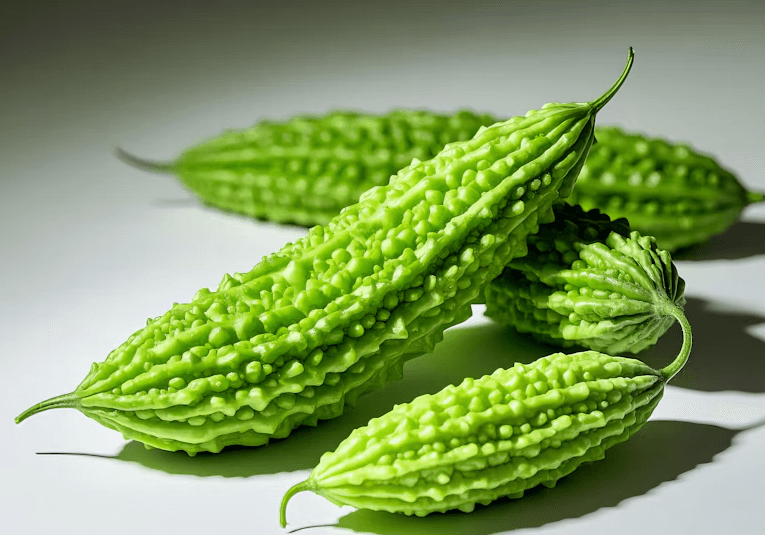
Karela, also known as bitter gourd or bitter melon, has long been a part of traditional Indian diets. Many people with diabetes eat it regularly, and some drink karela juice each morning hoping to lower their blood sugar. This interest stems from karela's naturally occurring compounds, which researchers have studied for their possible effects on glucose metabolism.
However, a food traditionally associated with diabetes management is not necessarily a proven treatment. Human studies have yielded mixed results, and the available evidence is not strong enough to recommend karela as a substitute for established treatments.
How Might Karela Help With Blood Sugar?
Karela (Momordica charantia) contains several biologically active compounds, including charantin and other substances investigated for their potential effects on glucose regulation. Laboratory and clinical research has explored whether these compounds may influence insulin activity, glucose uptake, and blood sugar levels.
Some studies have reported improvements in blood glucose measurements, while others have found no significant benefit. Differences in preparation, quantity consumed, duration of treatment, and study quality make the findings difficult to interpret consistently. While a 2025 meta-analysis reported promising results, other reviews indicate that the overall evidence remains uncertain.
For patients, the practical conclusion is that karela may be included in a healthy diet, but its ability to lower blood sugar reliably has not been established.
Eating Karela vs. Drinking Karela Juice
The distinction between eating cooked karela and drinking its juice is significant.
Eating cooked karela as part of a meal is a reasonable way to incorporate a bitter, fiber-rich vegetable into a balanced diet. It adds variety without requiring special preparations or expensive supplements. However, how it is cooked matters; deep-frying it regularly or adding large amounts of sugar diminishes its benefits.
Drinking karela juice is different. Juice may be consumed in larger quantities than the vegetable is typically eaten, and its composition can vary based on the amount used and preparation method. There is no well-established daily dose of karela juice proven to control diabetes safely.
Karela capsules, powders, and concentrated extracts should not be automatically considered equivalent to the vegetable. Products can differ in strength and composition, and research on one preparation cannot necessarily be applied to another.
Can Karela Replace Diabetes Medicines?
No. Karela should not replace prescribed diabetes medicines, insulin, dietary planning, or physical activity. Diabetes management depends on various factors, including the type of diabetes, blood glucose patterns, HbA1c levels, other health conditions, and the medications a person takes.
Even if a food or supplement shows a possible benefit in research, it does not mean it can provide adequate glucose control on its own. If you enjoy karela, include it as a food rather than relying on it as a treatment. Continue monitoring your blood sugar as advised and take prescribed medicines according to your healthcare professional's instructions.
Who Should Be Cautious With Karela?
The fact that karela is a vegetable does not mean every concentrated preparation is risk-free. Gastrointestinal effects, including abdominal discomfort and diarrhea, have been reported in studies. Safety information for supplements is also limited.
Individuals taking insulin or medications that can cause low blood sugar should consult their healthcare professional before starting concentrated karela products. If karela has an additional glucose-lowering effect, combining it with these medications could make blood sugar management less predictable.
Pregnant or breastfeeding women should avoid medicinal quantities and concentrated karela supplements unless advised otherwise by their healthcare professional, as safety data are inadequate. Anyone experiencing sweating, shakiness, dizziness, confusion, or other possible symptoms of low blood sugar should check their glucose if possible and follow their prescribed hypoglycemia plan.
The Best Way to Include Karela in a Diabetes Diet
There is no need to force yourself to drink bitter juice every morning if you dislike it. For most people, the more practical approach is to eat karela as one of several vegetables in a varied, balanced diet. Try it cooked with ordinary home ingredients, use moderate amounts of oil, and pair it with a meal that includes appropriate portions of protein, vegetables, and carbohydrate-rich foods.
No single vegetable can compensate for an overall eating pattern that regularly contains excessive calories or large portions of refined carbohydrates. If your blood sugar remains high despite taking your medicines and following your meal plan, do not increase the amount of karela in the hope of correcting it. Discuss your readings with your healthcare professional so the underlying treatment plan can be reviewed.
The Takeaway
Karela is a familiar and useful vegetable, but its reputation as a diabetes remedy needs perspective. Research into its possible blood-sugar-lowering effects continues, yet the evidence is not consistent enough to treat it as a reliable therapy. Eat karela if you enjoy it, but do not depend on it to control diabetes. Regular monitoring, a suitable eating pattern, physical activity, and appropriate medical treatment remain the foundation of diabetes care.






Comments (0)